
Shoulder Season Travel: The Trade-Offs Between Price, Crowds, and Experience
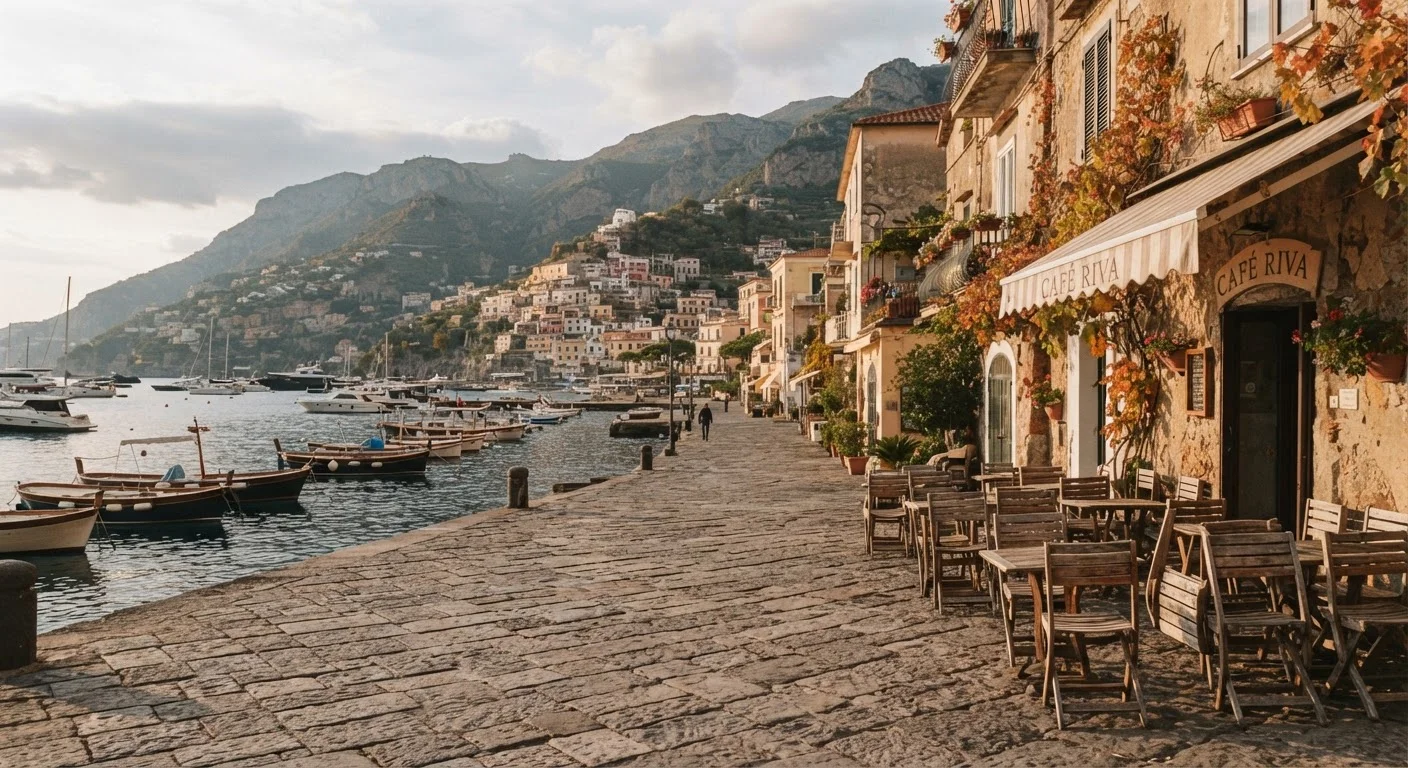
Photo credit: InsightsGrove.com | Discover Joy In Reading
In this article
Traveling just outside peak season can cut costs significantly — but it comes with real considerations worth understanding first.
Key Takeaways
- Shoulder season falls just before or after peak periods, offering a middle ground between price and experience.
- Flights and accommodations can cost meaningfully less during shoulder windows, but availability still varies.
- Weather during shoulder season is unpredictable — packing flexibly is essential.
- Some attractions and businesses close or reduce hours outside peak season.
- Crowds thin out noticeably, improving access to popular sites and local interactions.
- Booking flexibility and contingency planning matter more in shoulder season than at peak.
Lower flight and accommodation costs than peak season
Demand-driven pricing means fewer competing bookings typically translate to lower rates, particularly for flights and independent hotels. The savings vary by route and destination but are often meaningful for a budget-focused trip.
Noticeably thinner crowds at popular sites
Major attractions that draw overwhelming queues in July or August become far more accessible in shoulder months. That shift affects not just convenience but the quality of the experience itself.
More authentic interaction with locals
When a destination isn't at full tourist capacity, restaurants, markets, and neighborhoods tend to reflect local rhythms more than tourist-season performance. Many travelers find this genuinely more interesting.
Accommodation options are less likely to sell out early
In peak season, sought-after properties can book up months in advance. Shoulder season typically gives travelers more flexibility to plan closer to their departure date without losing good options.
Weather is often still favorable at many destinations
Early or late shoulder windows at beach or mountain destinations frequently retain much of the appeal of peak season weather — particularly in the first weeks before conditions shift significantly.
Weather is less predictable and often more variable
Transitional seasons bring unstable weather patterns at many destinations. Rain, cool snaps, or rough seas can interrupt plans in ways that peak-season travelers rarely encounter.
Some businesses and attractions operate reduced hours or close
Seasonal restaurants, tour operators, and even museums sometimes cut back service or close entirely outside peak windows. This can leave gaps in itineraries that looked complete on paper.
Fewer flight frequencies on some routes
Airlines often reduce routes or flight frequency to certain leisure destinations during shoulder and off-peak periods, which can mean less scheduling flexibility and potentially longer connections.
Savings aren't guaranteed on every destination or route
Shoulder season pricing benefits are uneven. Some destinations — particularly those with strong domestic demand or conference traffic — may not see significant drops outside traditional tourist peak times.
Contingency planning requires more effort
With fewer services operating and more weather variability, backup plans matter more than in peak season. Travelers who prefer low-maintenance, predictable itineraries may find the overhead frustrating.
What 'Shoulder Season' Actually Means
Shoulder season refers to the travel periods that sit just outside a destination's peak tourist window. For a Mediterranean beach town, that might be May and October. For a ski resort, it could be early December before snow builds or late March once conditions soften. The exact dates shift by destination, so it's worth researching each place individually rather than assuming a fixed calendar applies everywhere.
What shoulder season shares across destinations is a transitional quality: some peak-season infrastructure is still running, but demand — and pricing — hasn't fully caught up. That gap is what budget travelers look to exploit. For a broader look at how timing fits into overall trip planning, see our end-to-end guide to budget travel planning.
The Real Advantages
Lower flight and accommodation costs than peak season
Demand-driven pricing means fewer competing bookings typically translate to lower rates, particularly for flights and independent hotels. The savings vary by route and destination but are often meaningful for a budget-focused trip.
Noticeably thinner crowds at popular sites
Major attractions that draw overwhelming queues in July or August become far more accessible in shoulder months. That shift affects not just convenience but the quality of the experience itself.
More authentic interaction with locals
When a destination isn't at full tourist capacity, restaurants, markets, and neighborhoods tend to reflect local rhythms more than tourist-season performance. Many travelers find this genuinely more interesting.
Accommodation options are less likely to sell out early
In peak season, sought-after properties can book up months in advance. Shoulder season typically gives travelers more flexibility to plan closer to their departure date without losing good options.
Weather is often still favorable at many destinations
Early or late shoulder windows at beach or mountain destinations frequently retain much of the appeal of peak season weather — particularly in the first weeks before conditions shift significantly.
The cost difference is often the most tangible benefit. Flights and hotel rates can drop noticeably between peak and shoulder windows — though by how much depends heavily on the destination and how far in advance you book. For timing context, research on flight price patterns suggests that when you search matters, not just when you travel.
Beyond price, the experience itself changes. Queues at popular sites shorten, locals are less stretched, and the overall pace feels more genuine. For destinations like European cities or national parks that become genuinely overwhelming in July and August, shoulder season can shift the experience from stressful to enjoyable.
20–40%
Typical hotel rate reduction vs. peak season
Industry pricing data generally shows accommodation rates falling by this range in shoulder periods at leisure-heavy destinations, though actual figures vary significantly by location and property type.
~30%
Average visitor volume reduction at popular sites
Visitor data from major European tourism destinations suggests crowds at top attractions can drop by around a third between August peak and October shoulder periods.
The Drawbacks Worth Taking Seriously
Weather is less predictable and often more variable
Transitional seasons bring unstable weather patterns at many destinations. Rain, cool snaps, or rough seas can interrupt plans in ways that peak-season travelers rarely encounter.
Some businesses and attractions operate reduced hours or close
Seasonal restaurants, tour operators, and even museums sometimes cut back service or close entirely outside peak windows. This can leave gaps in itineraries that looked complete on paper.
Fewer flight frequencies on some routes
Airlines often reduce routes or flight frequency to certain leisure destinations during shoulder and off-peak periods, which can mean less scheduling flexibility and potentially longer connections.
Savings aren't guaranteed on every destination or route
Shoulder season pricing benefits are uneven. Some destinations — particularly those with strong domestic demand or conference traffic — may not see significant drops outside traditional tourist peak times.
Contingency planning requires more effort
With fewer services operating and more weather variability, backup plans matter more than in peak season. Travelers who prefer low-maintenance, predictable itineraries may find the overhead frustrating.
Weather is the wildcard most travelers underestimate. A shoulder-season trip to a coastal destination might mean brilliant, uncrowded days — or it might mean persistent grey skies and closed beach bars. Building flexibility into your itinerary and packing for a range of conditions is non-negotiable. The guide to packing for mixed climates covers this without adding bulk to your bag.
Service gaps are also real. Some restaurants operate reduced hours or close entirely during slow weeks. Tour operators may run fewer departures. If your trip relies on specific experiences — a particular cooking class, a boat tour, a guided hike — verify availability before booking flights, not after.
Verify Entry and Visa Requirements Independently
Entry rules, visa requirements, and travel advisories can change regardless of season. Always check current guidance from official government sources — such as the U.S. Department of State — before booking, particularly for international destinations. Published information in articles like this one may not reflect the latest requirements.
How Shoulder Season Compares to Off-Season
Shoulder season sits between peak and low (off-season) travel. Off-season tends to offer the steepest discounts but also the most closures, the most risk of weather disruption, and the fewest services operating. Shoulder season is usually the better compromise for travelers who want savings without giving up most of what makes a destination worth visiting.
If you're curious about where off-season falls on that spectrum, off-season travel trade-offs lays out an honest comparison. And if you're still deciding between types of trips entirely, domestic vs. international budget travel is a useful frame for that decision.
Making the Most of the Window
A few habits consistently help shoulder-season trips go smoothly. Book accommodations with free cancellation where possible — weather or closures can shift plans quickly. Confirm attraction and business hours closer to your departure date, since published schedules often reflect peak-season hours. And account for the spending traps that tend to catch travelers off-guard regardless of season: common overspending patterns are worth reviewing before you go.
Shoulder season rewards the prepared traveler. If you go in expecting peak-season convenience at off-season prices, you'll likely be disappointed. But if you treat it as a genuine trade-off — lower cost and fewer crowds in exchange for more variability — it's one of the more reliable levers available for stretching a travel budget.

Author
Travel Smarter Editorial Team
Travel Smarter Editorial Team is the collective byline for our editorial team and contributor network. Articles published under this byline or an editorial pen name are researched, written, and reviewed according to our editorial standards for clarity, consistency, and independence before publication.
View all articles →