
Planning a Budget Trip to Japan Without Cutting the Experience Short
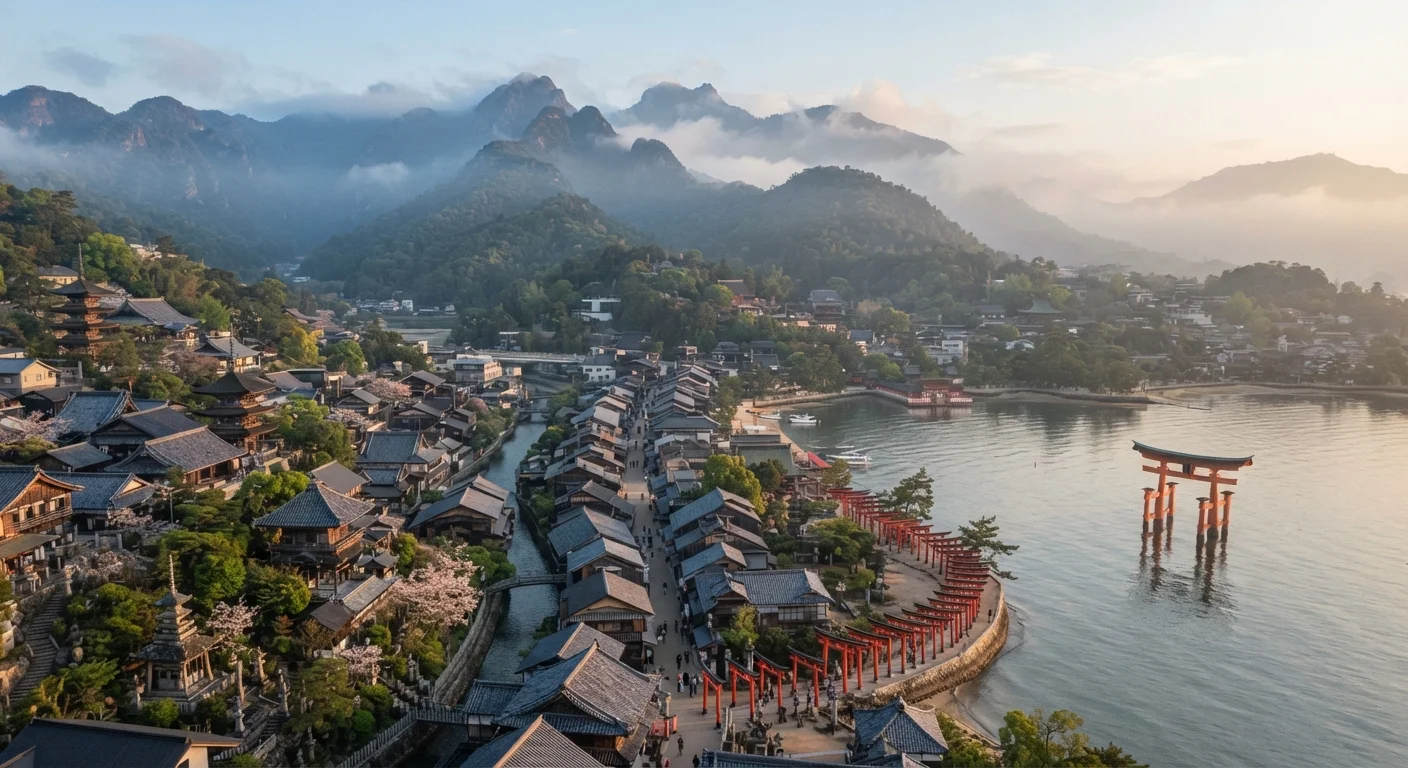
Photo credit: InsightsGrove.com | Discover Joy In Reading
In this article
Japan is often seen as out of reach, but with the right timing, transport passes, and accommodation choices, a meaningful visit is more affordable than most assume.
Key Takeaways
- Traveling in shoulder season (late January–February or early June) can meaningfully reduce both flight and accommodation costs.
- The Japan Rail Pass is cost-effective only for itineraries covering multiple cities — calculate before buying.
- Capsule hotels, guesthouses, and business hotels offer clean, well-located accommodation at a fraction of luxury hotel prices.
- Convenience store meals, standing ramen bars, and department store basement food halls are legitimate, satisfying ways to eat affordably.
- Free temples, public parks, and neighborhood walks make up some of Japan's most memorable experiences.
- Budgeting roughly $80–$120 USD per day is realistic for a comfortable mid-budget traveler, though actual costs vary.
Why Japan Is More Affordable Than Its Reputation Suggests
Japan has a persistent reputation as an expensive destination, and on the surface, some of that is warranted — long-haul flights from the US aren't cheap, and certain ryokan (traditional inns) or omakase restaurants can cost hundreds per night or per meal. But day-to-day life in Japan — where you actually spend most of your time — is often more wallet-friendly than comparable experiences in Western Europe or Australia.
Public transit is extensive and predictable. Convenience stores stock high-quality, inexpensive meals. Free cultural sites — shrines, temples, parks, historic neighborhoods — are genuinely worth your time, not just budget-filling substitutes. The country is also remarkably safe and easy to navigate for first-time visitors, which reduces the hidden costs (wrong turns, scams, last-minute bookings) that inflate travel budgets elsewhere.
For a fuller framework on managing costs across an entire trip, see our end-to-end budget travel planning guide. For destination comparisons, how Europe's math compares is worth reading alongside this guide.
What you will need
Step-by-Step: How to Plan a Budget Japan Trip
Follow these steps in order before booking anything. Decisions made early — especially on timing and transport — have the biggest downstream effect on your total spend.
Choose Your Travel Window Strategically
Avoid the two peak periods: late March through early May (cherry blossom season and Golden Week holidays) and October through mid-November (autumn foliage). Flights and accommodation prices spike noticeably during both. The clearest value windows are mid-January through February and early June — both offer lower airfares, smaller crowds, and manageable weather, especially in central Honshu cities.
Set a Fare Alert and Monitor Flights Early
Transatlantic and transpacific fares reward patience. Set alerts for your departure airport to Tokyo (Narita or Haneda) or Osaka (Kansai) at least three to four months out. Flying into one gateway and out of another — an 'open-jaw' ticket — can reduce backtracking costs if your itinerary covers multiple cities, and open-jaw fares are often comparable in price to round-trips from the same city.
Decide Whether a Rail Pass Actually Saves You Money
The Japan Rail Pass (JR Pass) covers Shinkansen (bullet train) travel on most JR lines and is purchased before arrival. It is cost-effective if your itinerary involves multiple intercity legs — for example, Tokyo to Kyoto to Hiroshima and back. If you're staying primarily in one city, the pass is unlikely to pay off. Use an online fare calculator to compare the sum of individual tickets against the pass price before purchasing. Passes must be ordered before you depart the US.
Book Accommodation in Advance for Peak Dates
Even in shoulder season, popular neighborhoods in Kyoto and Tokyo fill up. Book accommodation at least six to eight weeks ahead for any travel within Japan. Prioritize proximity to transit hubs — being a 10-minute walk from a major station saves time and reduces last-minute taxi costs throughout the trip. Compare capsule hotels, guesthouses, and business hotels based on your specific neighborhood priorities rather than defaulting to the lowest listed price.
Plan a Realistic Daily Budget Before You Land
A mid-budget traveler staying in a business hotel or guesthouse, eating a mix of convenience store meals and sit-down lunches, and using rail transit should expect to spend roughly $80–$120 USD per day (excluding accommodation). Budget-focused travelers using hostels, eating primarily from convenience stores and standing bars, and sticking to free attractions can realistically target $50–$70 per day. These are general ranges — actual costs depend on city, season, and personal choices. Japan is a cash-prevalent society; carry enough yen for smaller vendors and rural areas where card acceptance is limited. Also see the tradeoffs of off-season travel for context on how timing affects daily spend.
Combine Paid and Free Attractions Deliberately
Japan's paid attractions are worth budgeting for selectively — a tea ceremony, a specific museum, or a famous garden. Build your itinerary so paid experiences are intentional highlights rather than defaults. Many of the most photographed and culturally significant sites in Kyoto and Nara are free to enter or charge under $5.
Accommodation, Food, and Free Experiences
Once flights and transport are sorted, daily spend is where you have the most control.
Where to Sleep
Capsule hotels, which are common in major cities, typically run $30–$55 per night and are far more comfortable than they sound — many include access to communal baths and luggage storage. Business hotels (think compact, clean rooms with a private bathroom) often fall in the $60–$90 range. Guesthouses and hostels with private rooms sit between these two options and frequently offer the best value for solo travelers who want social atmosphere without dorm noise.
Eating Well Without Overspending
Japan's food culture works strongly in a budget traveler's favor. Convenience store chains stock onigiri, sandwiches, hot foods, and desserts at prices that are genuinely low by any standard. Standing ramen and soba bars serve full meals for under $8. Department store basement food halls (depachika) sell prepared foods — often discounted in the late evening — at quality levels that rival sit-down restaurants. For broader strategies on eating affordably without sacrificing authenticity, this guide on budget eating while traveling applies directly to Japan.
Free and Low-Cost Experiences
Many of Japan's most lasting memories cost nothing: walking the stone-paved lanes of Kyoto's Higashiyama district, visiting Fushimi Inari at dawn, exploring Shinjuku Gyoen, or sitting in a quiet neighborhood temple courtyard. Entrance fees, where they exist, are generally modest — most major temples charge between $3–$6. Building your itinerary around free experiences and treating paid attractions as punctuation rather than the main event is a reliable way to keep daily costs in check.
Cash Availability Matters Outside Major Cities
Japan remains more cash-dependent than most travelers expect, particularly in rural areas, older restaurants, and smaller temples. International cards are widely accepted in urban convenience stores and larger hotels, but carrying a working supply of yen is essential. Confirm your bank's international ATM policy before departing — some charge significant per-transaction fees.
Before You Leave: Final Checks
Use the pre-departure planning checklist to make sure documents, currency, and emergency contacts are all squared away. For Japan specifically, confirm your IC card (a rechargeable transit card used across most urban rail and bus networks) is available for foreign visitors at your arrival airport — this simplifies getting around immediately on landing. Also verify your phone plan covers data roaming or arrange a pocket Wi-Fi rental or local SIM in advance, as navigation in Japan is heavily app-dependent.
This article provides general travel information for educational purposes. Prices, transport options, and entry requirements change over time — always verify current details with official government sources and service providers before booking.

Author
Travel Smarter Editorial Team
Travel Smarter Editorial Team is the collective byline for our editorial team and contributor network. Articles published under this byline or an editorial pen name are researched, written, and reviewed according to our editorial standards for clarity, consistency, and independence before publication.
View all articles →