
Latin America's Inland Cities: Affordable Alternatives to the Famous Coastlines
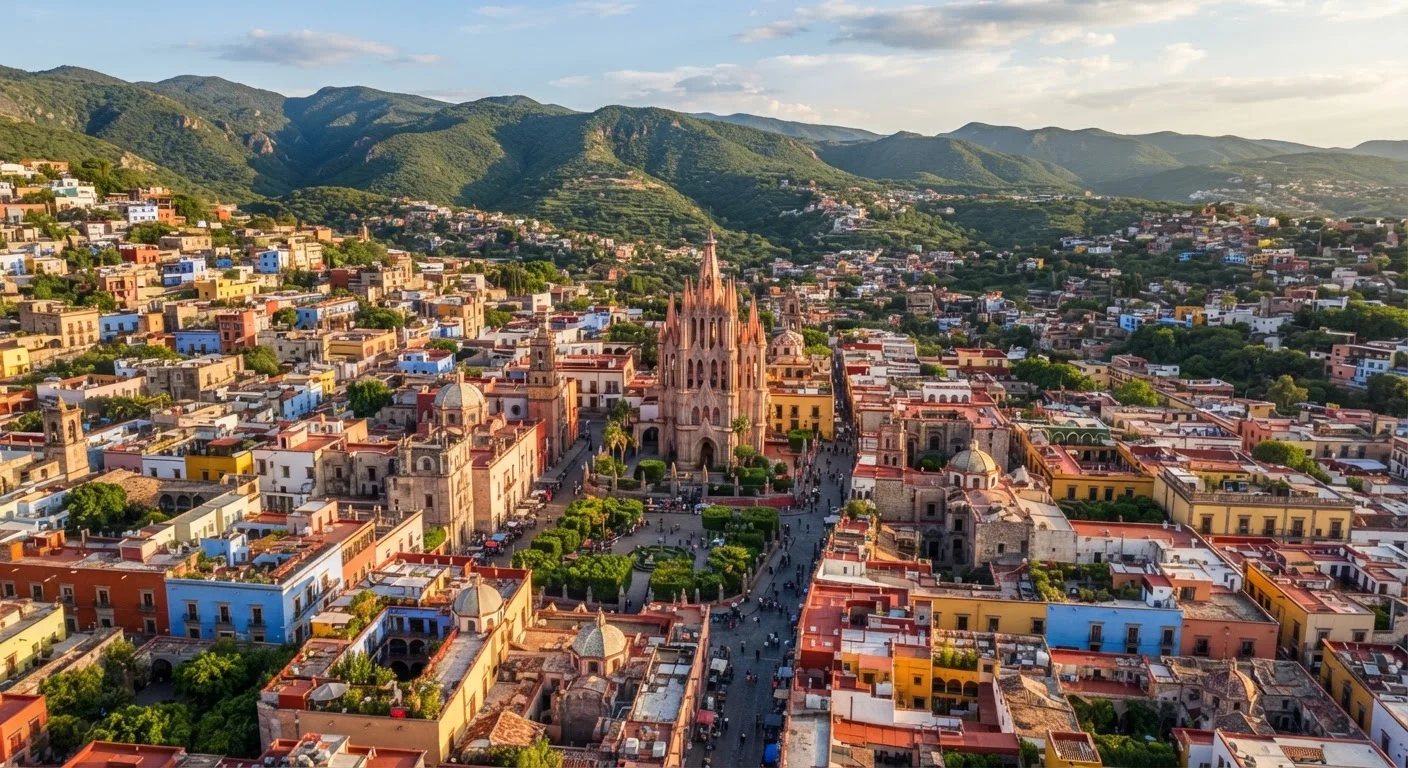
Photo credit: InsightsGrove.com | Discover Joy In Reading
While beach towns get crowded and expensive, Latin America's inland cities offer deep culture, good food, and genuine affordability. Here are several worth your time.
Key Takeaways
- Inland Latin American cities typically offer significantly lower accommodation and meal costs than popular beach destinations.
- Many of these cities are UNESCO-recognized for their colonial architecture, indigenous heritage, or cultural significance.
- Altitude, climate, and transportation access vary considerably — research each city's logistics before booking.
- Street food markets and set-lunch menus (called 'menú del día') are among the most reliable ways to eat affordably and authentically.
- Visa requirements and entry rules differ by nationality and country — always verify with official government sources before travel.
Why Inland Cities Deserve a Closer Look
Latin America's coastlines — from the Yucatán Peninsula to Rio's beaches to the Pacific shores of Ecuador — attract enormous tourism investment, and prices reflect that. Resort infrastructure, international demand, and seasonal surges push accommodation and dining costs to levels that can strain a genuine travel budget.
Inland cities tell a different story. Many are home to major universities, active local economies, and deeply rooted cultural traditions that exist independently of tourism. That means lower baseline costs, fewer tourist traps, and the kind of daily-life texture that makes travel feel like more than a photo opportunity.
For budget-conscious travelers willing to trade ocean views for mountain vistas or valley panoramas, these destinations often deliver more cultural depth per dollar spent. If you're weighing your options across regions, this regional cost comparison between Southeast Asia and Central America is worth reading before you commit.
Medellín, Colombia
Once defined by its troubled past, Medellín has undergone a well-documented urban transformation and is now one of Latin America's most discussed cities for livability and affordability. Situated in the Andes at around 5,000 feet, its climate earns it the nickname La Ciudad de la Eterna Primavera (City of Eternal Spring) — mild temperatures year-round with no need to budget for extreme seasonal gear.
The city's metro and cable car system makes neighborhoods like El Poblado, Laureles, and the historic center genuinely easy to navigate on a tight budget. Accommodation ranges from well-run hostels to private apartments that cost a fraction of what you'd pay in Cartagena. Street food, local markets, and neighborhood tiendas keep daily food costs low for travelers who eat where locals eat.
Medellín's permanent spring climate and metro system make it one of the most navigable affordable cities in South America.
Oaxaca City, Mexico
Oaxaca City sits in a valley surrounded by the Sierra Norte mountains in southern Mexico and holds UNESCO World Heritage status for its historic center. It's a city where indigenous Zapotec and Mixtec traditions remain active — visible in the markets, the textile work, and the festivals that draw anthropologists and curious travelers in roughly equal measure.
The city is significantly more affordable than Los Cabos or Tulum. Markets like the Mercado Benito Juárez and the 20 de Noviembre market offer prepared food at low prices, and day trips to Monte Albán — one of the oldest cities of pre-Columbian Mesoamerica — cost far less than comparable archaeological excursions in more tourist-saturated regions. Comparing Mexico City to Lisbon gives additional context on how Mexican cities hold up to other affordable global capitals.
Oaxaca's indigenous market culture and archaeological sites deliver genuine historical depth at everyday local prices.
Sucre, Bolivia
Bolivia's constitutional capital, Sucre, is one of the most affordable cities in the Americas by nearly any measure. A well-preserved Spanish colonial city at roughly 9,200 feet elevation, it's the kind of place where a full sit-down lunch costs under two dollars at local spots and accommodation is available at hostel prices that feel almost anachronistic compared to other South American destinations.
The altitude requires acclimatization — headaches and fatigue are common in the first day or two, particularly for travelers arriving from sea level — so build in slow days at the start. The city's central market, dinosaur footprint museum, and proximity to the Potosí silver mining region give budget travelers a dense itinerary without requiring expensive organized tours.
Sucre is among the most genuinely affordable cities in the hemisphere, with a colonial core that punches well above its tourist profile.
Cuenca, Ecuador
Ecuador's third-largest city is another UNESCO-listed colonial center, and it regularly appears on lists of affordable places for long-term travelers and expats — though its tourism infrastructure remains relatively understated compared to Quito or the Galápagos. At around 8,400 feet in the Andes, Cuenca offers a temperate climate and a walkable city center built around cathedrals, flower markets, and rivers running through the urban core.
Ecuador's use of the US dollar simplifies budgeting for American travelers — there's no currency conversion to calculate. Daily expenses for budget-focused travelers tend to run low, with the local menú del día system keeping lunch affordable and city buses connecting most neighborhoods for minimal cost. The nearby Cajas National Park offers high-altitude hiking accessible via public transport.
Ecuador's dollar economy removes currency friction for US travelers, making Cuenca's already low costs even easier to manage.
Antigua, Guatemala
Antigua is surrounded by volcanoes and carries a reputation as one of the most beautiful cities in Central America — its baroque colonial architecture, cobblestone streets, and ruins of earthquake-damaged churches make it visually striking in a way that doesn't require any manufactured tourist experience. Despite some international visibility, it remains considerably more affordable than comparable small cultural cities in Europe or Southeast Asia's more developed tourism circuits.
Spanish language schools are abundant and well-regarded, making Antigua a practical base for travelers who want to combine cultural immersion with language study while keeping costs low. Food markets and local comedores (small informal restaurants) offer Guatemalan staples — black beans, chiles rellenos, tamales — at prices well below what nearby Mexico or Belize would charge in comparable tourist zones. If comparing budget options across regions appeals to you, Eastern Europe on a shoestring offers a useful parallel for what slow travel in an affordable cultural region can look like.
Antigua combines genuine colonial beauty and Spanish-school infrastructure with food and accommodation costs that reward slow travelers.
Córdoba, Argentina
Argentina's second city is a university town of over a million people, home to one of the oldest universities in the Americas and a young, arts-forward local culture. It's far less internationally recognized than Buenos Aires, which means fewer tourist markups and a more unfiltered experience of Argentine urban life — the neighborhood bars, the weekend ferias (outdoor markets), the late-night café culture.
Argentina's economy has been volatile in recent years, and currency and inflation dynamics can affect traveler costs in ways that are difficult to predict in advance. Travelers should research current conditions carefully and consult up-to-date sources before planning expenses. That said, Córdoba's size means strong hostel infrastructure, reliable intercity bus connections, and a variety of food options at different price points — all useful for budget management regardless of exchange-rate conditions.
Córdoba's university-town energy and large hostel network make it a practical and culturally rich base in Argentina's interior.
Making the Most of Your Time Inland
Getting your food strategy right is one of the fastest ways to extend your budget in any of these cities. The menú del día — a fixed-price lunch served at local restaurants — is standard across much of Latin America and typically includes soup, a main, a drink, and sometimes dessert for the equivalent of a few dollars. Eating well on a travel budget covers how to find these spots and avoid the tourist-menu markup that targets visitors who don't know to ask.
Transportation within these cities is almost uniformly cheap — local buses and shared minivans (called colectivos or combis depending on the country) connect neighborhoods and nearby towns at low fares. If you're also exploring options closer to home, underrated US cities offer a useful point of comparison for what affordable domestic travel looks like.
Use Intercity Buses to Connect the Dots
Latin America's long-distance bus network is extensive, reliable in most countries, and far less expensive than flying between destinations. Night buses in particular can save on accommodation costs while covering distance. Research bus companies through travel forums and local booking offices rather than relying solely on international booking platforms, which may not list all available routes or may carry booking fees.
All travel costs, visa requirements, safety conditions, and entry rules referenced here are subject to change. Verify current requirements with official government sources and your country's foreign affairs or state department before booking.

Author
Travel Smarter Editorial Team
Travel Smarter Editorial Team is the collective byline for our editorial team and contributor network. Articles published under this byline or an editorial pen name are researched, written, and reviewed according to our editorial standards for clarity, consistency, and independence before publication.
View all articles →