
Southeast Asia vs. Central America: Which Region Goes Further on a Tight Budget?
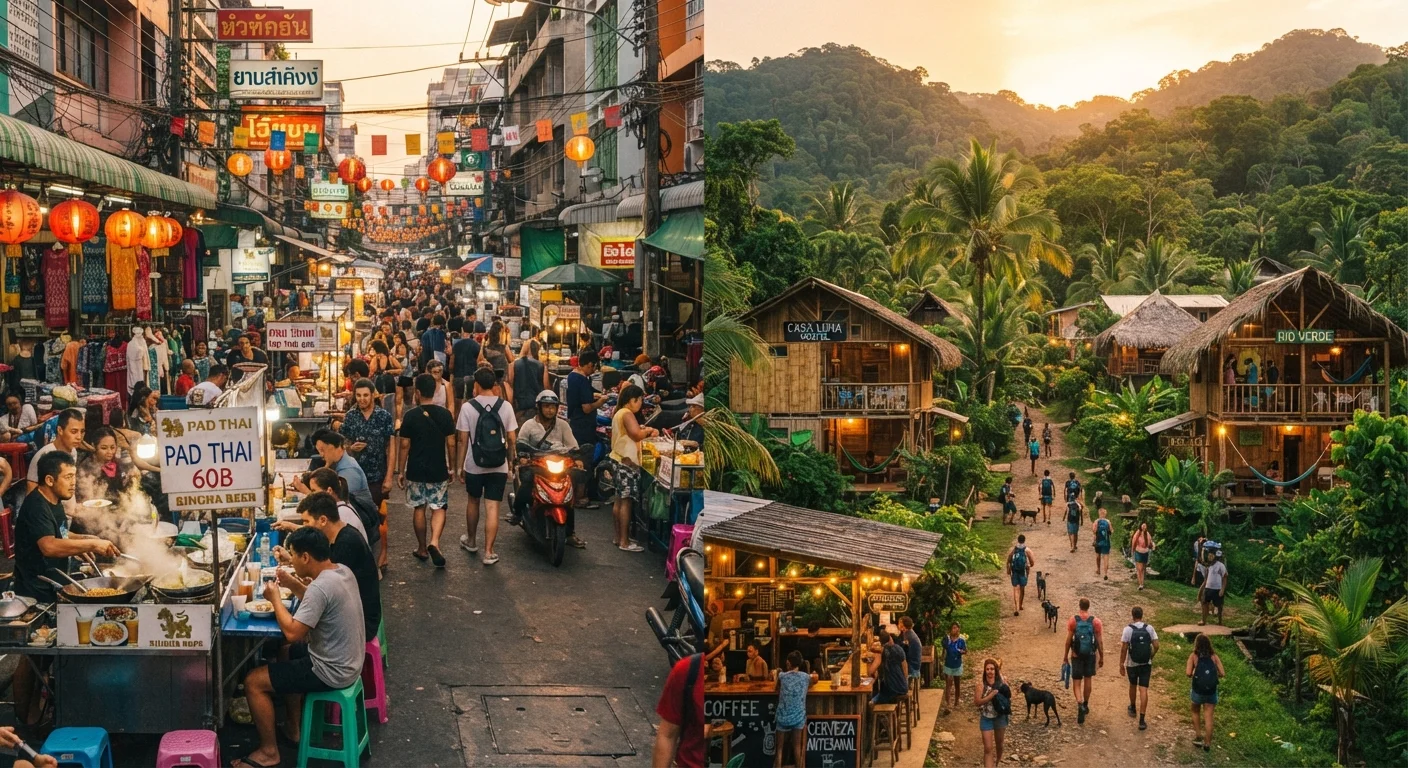
Photo credit: InsightsGrove.com | Discover Joy In Reading
In this article
Two of the world's most popular budget regions, compared across costs, visa ease, infrastructure, and travel style to help you decide where to go first.
Key Takeaways
- Southeast Asia generally offers lower daily costs, especially for food and accommodation in countries like Vietnam and Cambodia.
- Central America's proximity to the US can significantly reduce roundtrip airfare compared to flying to Southeast Asia.
- Both regions allow visa-free or visa-on-arrival entry for US passport holders in most countries, but rules vary and should be verified before travel.
- Southeast Asia has a more developed backpacker infrastructure; Central America suits travelers comfortable with fewer budget-specific amenities.
- Your total trip cost depends heavily on flight prices, length of stay, and which specific countries you visit within each region.
The Real Cost Comparison: Day-to-Day Spending
When budget travelers talk about Southeast Asia, the numbers that come up are striking: a full meal in Hanoi or Phnom Penh for under $2, guesthouse rooms for $6–12 a night, and intercity bus tickets that rarely top $10. A frugal traveler in Vietnam or Cambodia can often manage $30–40 per day covering accommodation, meals, transport, and entry fees. Spending $50 per day feels comfortable rather than tight.
Central America is affordable by global standards but sits a tier above Southeast Asia on most cost metrics. Budget accommodations in Guatemala or Nicaragua typically run $12–20 per night for a dorm or basic private room. A sit-down meal costs $4–8 in most countries. A realistic daily budget in Guatemala or Honduras is closer to $45–60, though Nicaragua has historically been cheaper. Costa Rica is the notable outlier — prices there approach Western levels in tourist corridors, and it shouldn't anchor your Central America cost assumptions.
For a detailed look at what these numbers look like on the ground, see our Vietnam cost breakdown — it illustrates how the components of a Southeast Asia budget actually stack up in practice.
| Criterion | Southeast Asia | Central America |
|---|---|---|
| Avg. daily budget (frugal) | $30–45/day | $45–60/day |
| Typical roundtrip airfare from US | $600–$1,000 | $250–$500 |
| Flight duration from US | 16–22 hours | 4–7 hours |
| US visa-free access | Most countries, varies | Most countries, 90 days |
| Backpacker infrastructure | Extensive, well-developed | Moderate, country-dependent |
| Food variety and cost | Exceptional, under $3/meal | Good, $4–8/meal typical |
| Overland travel ease | Strong bus/train networks | Variable by country |
Flights, Visas, and Getting There
This is where Central America closes the gap significantly. Roundtrip flights from major US cities to Guatemala City, San José, or Managua regularly come in under $400, and often under $300 from southern or eastern US hubs. Travel time is typically 4–7 hours. Southeast Asia requires a 16–22 hour journey from the US, with most competitive fares landing between $600 and $1,000 roundtrip depending on origin city, season, and how far in advance you book.
On visas, both regions are relatively US-passport-friendly. Most Southeast Asian countries — Thailand, Vietnam, Cambodia, Indonesia, the Philippines — offer either visa-free stays or straightforward e-visas or visa-on-arrival options. Central American nations generally allow US citizens 90 days of visa-free entry across most of the CA-4 zone (Guatemala, Honduras, El Salvador, and Nicaragua share a border agreement). That said, visa rules change, and you should always verify current requirements through official government sources or your destination country's embassy before booking.
~$35/day
Average frugal daily spend in Vietnam
Based on aggregated traveler-reported costs across accommodation, meals, local transport, and entry fees in popular Vietnamese destinations.
~$400
Median US–Guatemala City roundtrip fare
Reflects typical economy fares from mid-US cities; prices vary by origin, season, and booking timing.
7–10
Countries accessible visa-free in Southeast Asia
US passport holders can enter most Southeast Asian nations without a prior visa, though length and conditions vary by country.
For travelers deciding between international and domestic options first, our domestic vs. international comparison puts flight cost trade-offs in clearer context.
Infrastructure, Safety, and Travel Style
Southeast Asia has decades of backpacker infrastructure behind it. Hostel booking platforms, traveler-oriented bus networks, and budget guesthouses are densely concentrated along well-worn routes from Bangkok to Bali. The ecosystem around budget travel is simply more developed — which translates to fewer logistics headaches and more competition keeping prices low.
Central America's infrastructure varies more sharply by country. Guatemala and Belize are well set up for independent travelers; Honduras and Nicaragua require more flexibility and self-sufficiency. Local chicken buses are extremely affordable but slower; private shuttles aimed at tourists cost more but save time. Safety considerations also vary meaningfully across both regions — US State Department advisories differ by country and can change, so checking official advisories before finalizing plans is essential, not optional.
Travel style matters too. Southeast Asia rewards slow travel and country-hopping. Central America suits travelers who want to go deep in one or two countries rather than region-wide itineraries. The framework experienced budget travelers use to evaluate destinations covers exactly how to weigh these infrastructure and safety factors when choosing a region.
If neither region fits your current situation, Eastern Europe offers a compelling third option with its own cost and logistics profile worth comparing.
Costs Shift Depending on Which Countries You Choose
Neither region is monolithic. Thailand's tourist infrastructure pushes costs higher than Cambodia's; Costa Rica is dramatically more expensive than Nicaragua. When budgeting, research your specific itinerary country by country rather than relying on regional averages. The same applies to safety — conditions vary significantly even within a single country. For a broader budgeting framework, our full budget travel planning guide covers how to account for these variables before you commit to a destination.

Author
Travel Smarter Editorial Team
Travel Smarter Editorial Team is the collective byline for our editorial team and contributor network. Articles published under this byline or an editorial pen name are researched, written, and reviewed according to our editorial standards for clarity, consistency, and independence before publication.
View all articles →