
Shopping Habits That Quietly Drain Your Budget Over Time
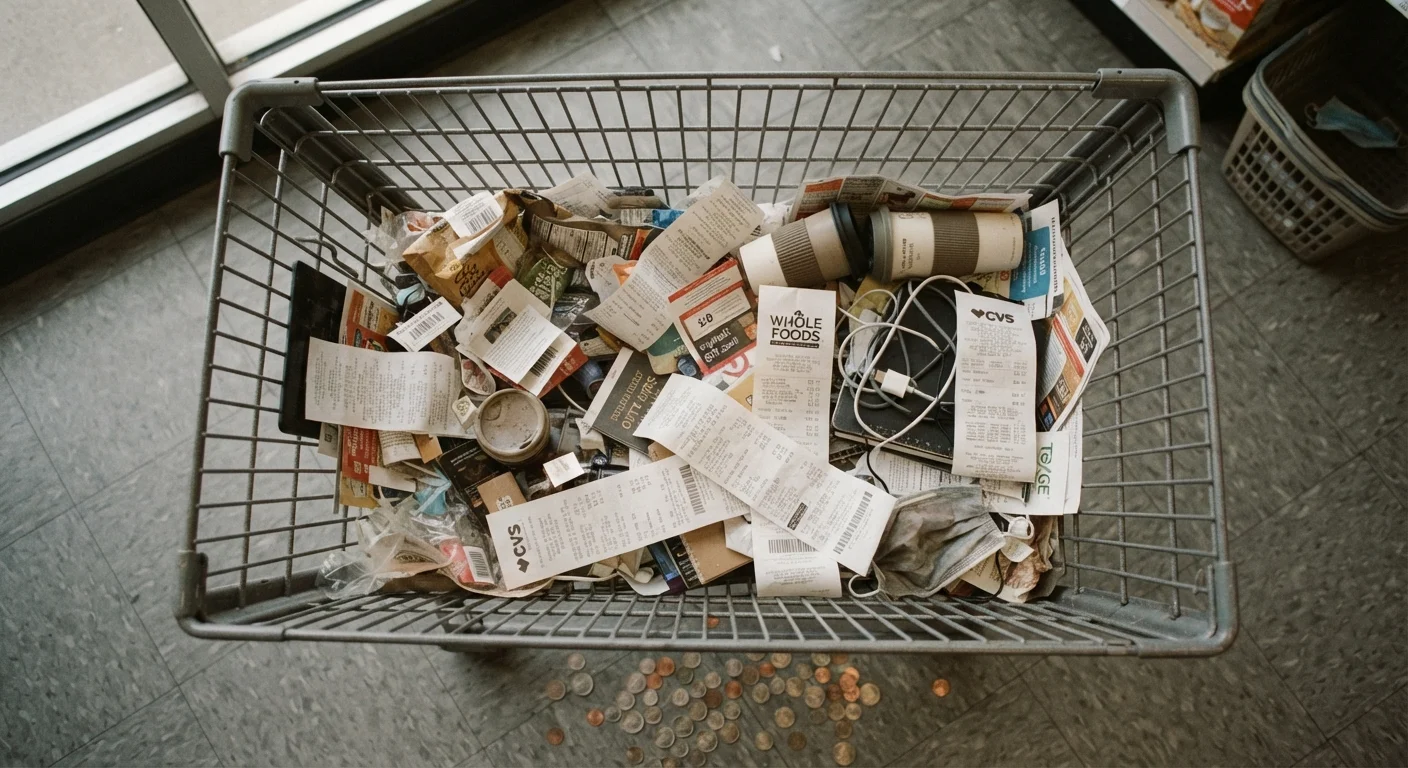
Photo credit: InsightsGrove.com | Discover Joy In Reading
In this article
Small, repeated spending patterns — not big splurges — are often the real culprit. These are the habits worth examining first.
Key Takeaways
- Recurring small purchases compound into significant annual costs most people never calculate.
- Convenience-driven shopping habits consistently cost more than planned, deliberate purchases.
- Auditing your payment methods and subscription list reveals spending you've stopped noticing.
- Reframing purchase decisions around cost-per-use reduces impulse-driven regret buys.
- The fix for most budget-draining habits is a system, not willpower.
Why Small Habits Do More Budget Damage Than Big Splurges
Most budget advice focuses on the obvious culprits — vacations, gadgets, eating out. But research on household spending consistently shows that the real damage accumulates in the mundane: the $6 coffee three times a week, the streaming service renewed automatically, the extra items tossed in the cart at checkout. These aren't emotional purchases. They're habitual ones — and that makes them harder to spot and easier to rationalize.
The problem isn't any single transaction. It's the pattern. A habit that costs $15 a week costs nearly $800 a year. Stack three or four of those habits together and you're looking at a meaningful chunk of take-home pay quietly exiting your account without a second thought.
Understanding why these habits form is the starting point. Most stem from convenience, social pressure, or low-grade inattention — not recklessness. That's actually good news: systematic fixes work better here than motivation-based ones. If you're also seeing money vanish without a clear reason, auditing your hidden monthly costs is a logical next step alongside reviewing the habits below.
Shopping without a list and deciding in-store what you need.
Why it happens: In-store environments are designed to trigger unplanned purchases through product placement, promotions, and sensory cues. Without a list, every aisle becomes a decision point.
Paying for subscriptions that auto-renew without active use.
Why it happens: Services deliberately make cancellation friction-heavy and renewal invisible. After the initial sign-up, most people stop tracking what they've subscribed to.
Buying in bulk without checking whether you'll actually use the product.
Why it happens: Bulk pricing creates a strong sense of savings, but the math only works if the item gets used before it expires or becomes unwanted.
Using credit cards without tracking the running balance during the month.
Why it happens: Credit cards decouple the pain of spending from the act of spending. Without a visible running total, it's easy to significantly underestimate what you've charged.
Treating 'on sale' as a reason to buy something you weren't already planning to purchase.
Why it happens: Discount framing activates a sense of urgency and the perception of gain, which overrides the more relevant question: do I need this at all?
Defaulting to convenience formats — single-serve, pre-cut, or ready-made — as a regular habit.
Why it happens: Convenience products solve a real problem (time and effort), which makes the premium feel justified in the moment. But paying a 30–80% markup daily adds up fast.
How to Actually Change These Patterns
Identifying bad habits is only half the work. The other half is replacing them with low-friction alternatives that don't require constant willpower. A few structural approaches tend to work across most of the mistakes listed above.
$314
Average monthly spend on impulse purchases
A survey by Slickdeals found that US adults reported spending an average of around $314 per month on unplanned purchases, though self-reported spending figures should be interpreted cautiously.
84%
Adults who underestimate their subscription costs
A C+R Research study found the vast majority of consumers significantly underestimated what they spend monthly on subscription services when asked to recall charges without reviewing statements.
23%
Average premium for single-serve convenience formats
Price comparisons across grocery categories generally show single-serve and pre-portioned formats cost 20–40% more per unit than standard packaging, depending on the product.
Use a spending log for two weeks. Not forever — just long enough to surface patterns. Many people discover two or three habitual expenses they genuinely forgot existed. Building a sustainable tracking habit doesn't have to mean obsessive categorization; even a rough weekly tally creates useful awareness.
Introduce a purchase delay. A 24- to 48-hour pause before non-essential purchases disrupts the impulse cycle without requiring you to say no permanently. If you want to understand the mechanics behind why this works, the psychology of impulse buying explains the mental triggers at play.
Schedule a monthly subscription audit. Set a recurring calendar reminder. Open your bank statement and credit card charges and cancel anything you haven't actively used in 30 days. This single habit can recover $50–$150 a month for many young adults — though results vary significantly based on individual circumstances.
These habits exist within a broader context of how you manage money day-to-day. If you want a framework that holds up over time rather than just during a motivated week, budgeting habits designed to last offers an evidence-grounded starting point. And if shopping patterns feel connected to broader lifestyle upgrades that keep raising your baseline costs, it's worth reading about how lifestyle creep compounds over time.
Convenience Costs Compound Silently
Convenience premiums feel trivial in isolation — an extra dollar here, two dollars there. But across multiple daily habits, these markups can represent $150–$400 in monthly overspend depending on your lifestyle. The habits are easy to underestimate precisely because each individual transaction feels inconsequential. Don't evaluate them individually; evaluate the pattern.
This article provides general financial information for educational purposes only and is not personalized financial advice. Consult a qualified financial professional for guidance specific to your circumstances.

Author
Smart Spending Editorial Team
Smart Spending Editorial Team is the collective byline for our editorial team and contributor network. Articles published under this byline or an editorial pen name are researched, written, and reviewed according to our editorial standards for clarity, consistency, and independence before publication.
View all articles →