
Why 'Value for Money' Is Harder to Measure Than It Looks
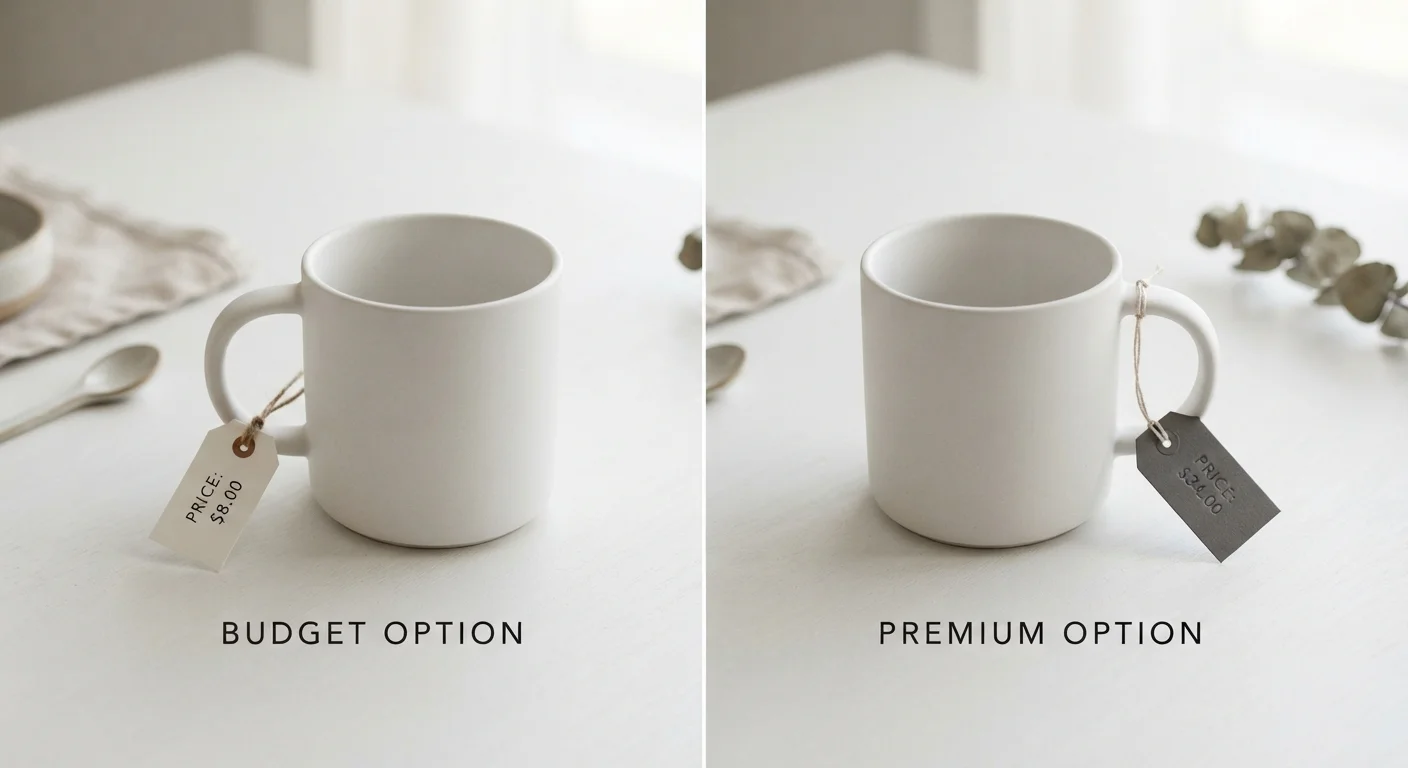
Photo credit: InsightsGrove.com | Discover Joy In Reading
In this article
Price-to-quality ratios depend heavily on context. Explore the factors that make value genuinely personal — and how to define it for yourself.
Key Takeaways
- Value for money is personal - the same product can be great value for one person and poor value for another.
- Price-to-quality ratios only make sense when you factor in how, how often, and how long you'll use something.
- Marketing and psychological pricing can distort your perception of what's genuinely worth paying for.
- Defining your own evaluation criteria before shopping leads to more consistent, satisfying purchases.
- Cost-per-use is often a more honest measure of value than the sticker price.
The Problem with Treating Value as a Simple Ratio
Most people approach value as a straightforward equation: quality divided by price. Higher quality at a lower price equals better value. It's intuitive - and it's incomplete.
The ratio only holds if you can measure quality objectively and independently of your own circumstances. But quality is rarely universal. A backpack with a robust aluminum frame might be excellent quality for a backcountry hiker and needlessly heavy for someone commuting six blocks. The specs are the same; the value isn't.
This is worth taking seriously because the feeling that value is simple is exactly what makes it easy to manipulate. Retailers, product listings, and comparison sites all present numbers - price, star ratings, spec sheets - in ways that imply objectivity. But those numbers only translate into value when filtered through your actual situation.
72%
Shoppers who regret impulse purchases within a week
According to a survey by CreditCards.com, nearly three in four impulse buyers report post-purchase regret - often tied to buying on perceived deal value rather than genuine need.
3-5x
Cost-per-use difference between frequent and infrequent users
Consumer research consistently shows that use frequency, not purchase price, is the primary driver of whether a product delivers value over its lifespan.
Key Factors That Make Value Personal
Several variables shape whether a purchase delivers genuine value for you specifically:
- Frequency of use: How often you'll realistically use something changes the math entirely. Cost-per-use - the purchase price divided by expected uses - is a more honest metric than the sticker price alone.
- Duration of ownership: Products intended for short-term needs don't justify long-term-grade pricing. A temporary solution at a lower price point can be smarter spending than buying for a permanence that never materializes.
- Fit to your specific use case: Features you'll never use aren't features - they're costs. Paying for a camera with advanced manual controls when you shoot on automatic adds zero value.
- Your actual alternatives: Value exists on a relative spectrum. If a free or low-cost option meets your needs adequately, a premium product's added quality may not convert into added value for you.
Before shopping, it pays to define your criteria explicitly. The process of building your own evaluation criteria before researching products is one of the most underused tools available to consumers.
Try the Cost-Per-Use Calculation Before Buying
Before purchasing, divide the price by the number of times you realistically expect to use the item in a year - then multiply by the expected years of ownership. Compare that figure across alternatives. It cuts through both sticker shock and false bargains by anchoring the decision to actual usage.
How Pricing Psychology Distorts Value Perception
Even when shoppers understand their own needs, pricing mechanisms can skew judgment. Anchor pricing - displaying a high 'original' price next to a marked-down figure - creates the impression of savings regardless of whether the original price was ever realistic. The markdown feels like value even when the underlying product doesn't warrant the price at all.
Similarly, the assumption that price signals quality persists despite mixed evidence. In some product categories, especially commoditized ones, premium pricing reflects branding and packaging costs, not material or functional differences. This is a central theme in common shopping myths that cost money - beliefs that sound reasonable but regularly lead to overpaying.
“The bitterness of poor quality remains long after the sweetness of a low price is forgotten.”
— Benjamin Franklin, Founding Father and author of Poor Richard's Almanack
Discount framing is a related trap. A 30% reduction on an item you wouldn't have valued at full price is still a net loss. The relevant question isn't "is this cheaper than it was?" but "is this worth what I'm paying right now?" For a deeper look at how sale prices are structured, see why sale prices aren't always what they appear.
Building a More Honest Value Assessment
A practical value assessment doesn't require a spreadsheet - it requires honesty about a few core questions before committing to a purchase:
- What specific problem does this solve, and does it actually solve it for my situation?
- How often will I realistically use this in the next 12 months?
- What's the realistic lifespan given my usage pattern?
- Is there a lower-cost alternative that meets my actual requirements - not an idealized version of them?
These questions reframe value from an abstract ratio to a concrete personal calculation. The goal of value-based spending isn't to always choose the cheapest option - it's to spend proportionally to the role an item actually plays in your life.
Value Benchmarks Shift Over Time
A product that delivered strong value two years ago may not today, if your circumstances, usage patterns, or the market alternatives have changed. It's worth periodically reassessing recurring purchases - subscriptions, tools, and appliances especially - against what you're actually getting out of them now, not what you expected when you bought.
Price history tools can add useful context to this process, though they come with limitations. Understanding what price history tools actually tell you helps you use them as one input rather than a definitive verdict on whether a price is fair.
Frequently Asked Questions

Author
Savvy Shopping Editorial Team
Savvy Shopping Editorial Team is the collective byline for our editorial team and contributor network. Articles published under this byline or an editorial pen name are researched, written, and reviewed according to our editorial standards for clarity, consistency, and independence before publication.
View all articles →