
Reading a Skincare Label Without a Chemistry Degree
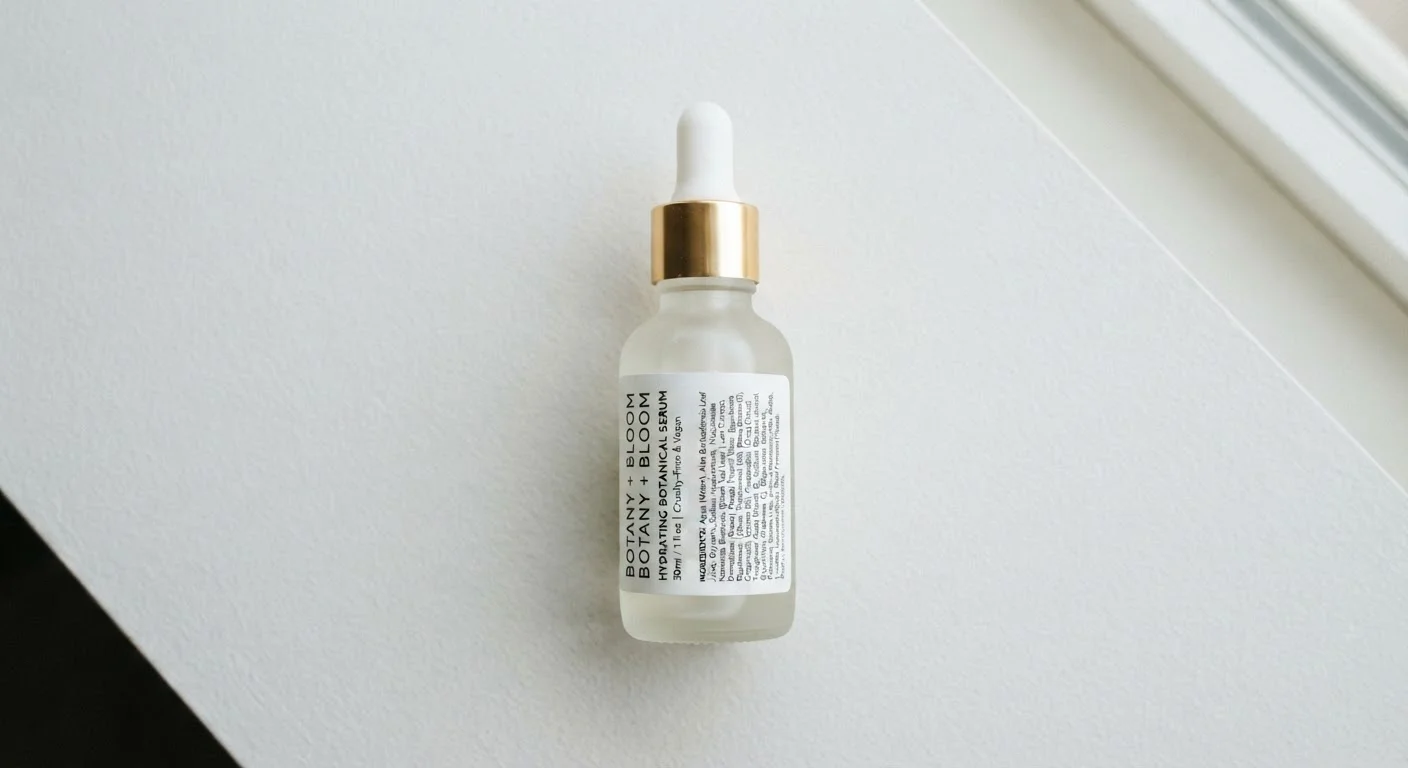
Photo credit: InsightsGrove.com | Discover Joy In Reading
In this article
Ingredient lists can be overwhelming. Learn how to spot actives, fillers, and potential irritants on any skincare product.
Key Takeaways
- Ingredients are listed in descending order by concentration, making position meaningful.
- Active ingredients drive results; most ingredients after the 1% threshold are functional fillers or preservatives.
- Common irritants like fragrance, alcohol denat., and certain preservatives appear by standardized names you can learn.
- A longer ingredient list does not mean a more effective or safer product.
- Free tools exist to help decode unfamiliar ingredient names without chemistry expertise.
Why Ingredient Lists Are Worth Your Time
Skincare marketing is built on claims - "clinically tested," "dermatologist recommended," "clean formula." None of these terms are regulated in the US in any standardized way. The ingredient list, however, is regulated: it must be accurate, complete, and follow a defined format. That makes it the most reliable piece of information on the entire package.
Budget-conscious shoppers especially benefit from this skill. A store-brand moisturizer and a premium one may share nearly identical formulations - or they may differ in ways that actually matter. Reading the list is how you find out. As with other product categories, the label tells a more honest story than the packaging - see how the same principle applies to food in our guide to reading nutrition labels.
What you will need
How to Read Any Skincare Label
Follow these steps with any product in hand - a new purchase, something already in your bathroom cabinet, or an item you're comparing at the store.
This Is General Information, Not Medical Advice
Skincare ingredient guidance here is educational and general in nature. If you have a skin condition, allergy history, or are pregnant, consult a licensed dermatologist or healthcare provider before changing your skincare routine. Reactions to ingredients vary significantly between individuals.
Find the INCI list
Every regulated cosmetic product sold in the US must carry an INCI list - International Nomenclature of Cosmetic Ingredients. It typically appears on the back or bottom of the packaging under headings like "Ingredients" or "Ingr." This standardized naming system means the same ingredient will appear identically across different brands, making cross-product comparison possible once you learn the names.
Understand descending concentration order
Ingredients are listed from highest to lowest concentration. The first five to seven ingredients typically make up the bulk - often 80-90% - of the formula. Water (listed as Aqua) frequently leads the list in moisturizers and serums. If a marketed active ingredient appears near the bottom, its functional concentration in the product may be minimal.
Identify the active ingredients
Actives are the ingredients responsible for a product's primary effect - examples include retinol, niacinamide, salicylic acid, hyaluronic acid, and ascorbic acid (vitamin C). Their position in the list gives you a rough signal of potency. Research the effective concentration range for any active you're evaluating; for example, niacinamide is generally studied at 2-5% concentrations, so its position in the list relative to other ingredients is informative.
Recognize functional fillers and emulsifiers
Not every ingredient is there to treat your skin. Many serve structural purposes - they create texture, stabilize the formula, or extend shelf life. Common examples include glycerin (humectant), cetearyl alcohol (emulsifier - not the drying kind), carbomer (thickener), and tocopherol (vitamin E, often used as an antioxidant preservative). These aren't "bad" ingredients; understanding their role helps you assess what a product actually does versus what it claims.
Flag potential irritants for your skin type
Some ingredients cause reactions in a meaningful subset of people. Common ones to be aware of include:
- Fragrance / Parfum - a catch-all term for undisclosed scent compounds
- Alcohol denat. (denatured alcohol) - can be drying at high concentrations; position in the list matters
- Essential oils (e.g., lavender oil, lemon oil) - natural but can be allergenic
- Certain preservatives - methylisothiazolinone (MI) and methylchloroisothiazolinone (MCI) are phased out in leave-on products in many markets due to sensitization concerns
This doesn't mean these ingredients are universally harmful - context, concentration, and individual sensitivity all matter.
Use free tools to decode unfamiliar names
When you encounter an ingredient you don't recognize - like butylene glycol or sodium PCA - a publicly accessible ingredient database can translate it quickly. Tools like INCI Decoder provide plain-language descriptions, typical use, and known sensitization flags. These aren't substitutes for professional advice, but they help you move from confusion to informed decision-making in seconds.
Fragrance Is a Hidden Catch-All Term
"Fragrance" or "parfum" on a label can represent dozens of undisclosed compounds, some of which are common contact allergens. If you have sensitive or reactive skin, treating fragrance as a flag - not a guarantee of irritation - is a reasonable starting point before patch testing.
Use the 1% Rule as Your Mental Dividing Line
Manufacturers must list ingredients above 1% concentration in descending order, but anything at or below 1% can appear in any order. In most formulas, that threshold falls somewhere around the preservatives - look for ingredients like phenoxyethanol or sodium benzoate as rough markers. Everything listed after them is likely present in trace amounts.
Putting It All Together
Reading an ingredient list fluently takes a few practice rounds, not a chemistry degree. Start with products you already own: locate the INCI list, identify the first five ingredients, spot any actives, and flag anything in your personal watch list. Over time, patterns become familiar - the same emulsifiers, the same preservative systems, the same filler humectants - and your eye goes straight to what's different or meaningful.
This skill fits naturally into a broader framework for evaluating any purchase independently. For a structured approach that goes beyond labels, see our product research framework. And if you apply similar label-reading logic to other household purchases, the guide on interpreting product specifications covers where numbers can mislead just as easily as ingredient names.
This article is for general informational and educational purposes only and does not constitute medical or dermatological advice. Consult a qualified healthcare professional for guidance specific to your skin health needs.

Author
Savvy Shopping Editorial Team
Savvy Shopping Editorial Team is the collective byline for our editorial team and contributor network. Articles published under this byline or an editorial pen name are researched, written, and reviewed according to our editorial standards for clarity, consistency, and independence before publication.
View all articles →