
Transitioning Your Pet to a New Food Without Digestive Upset
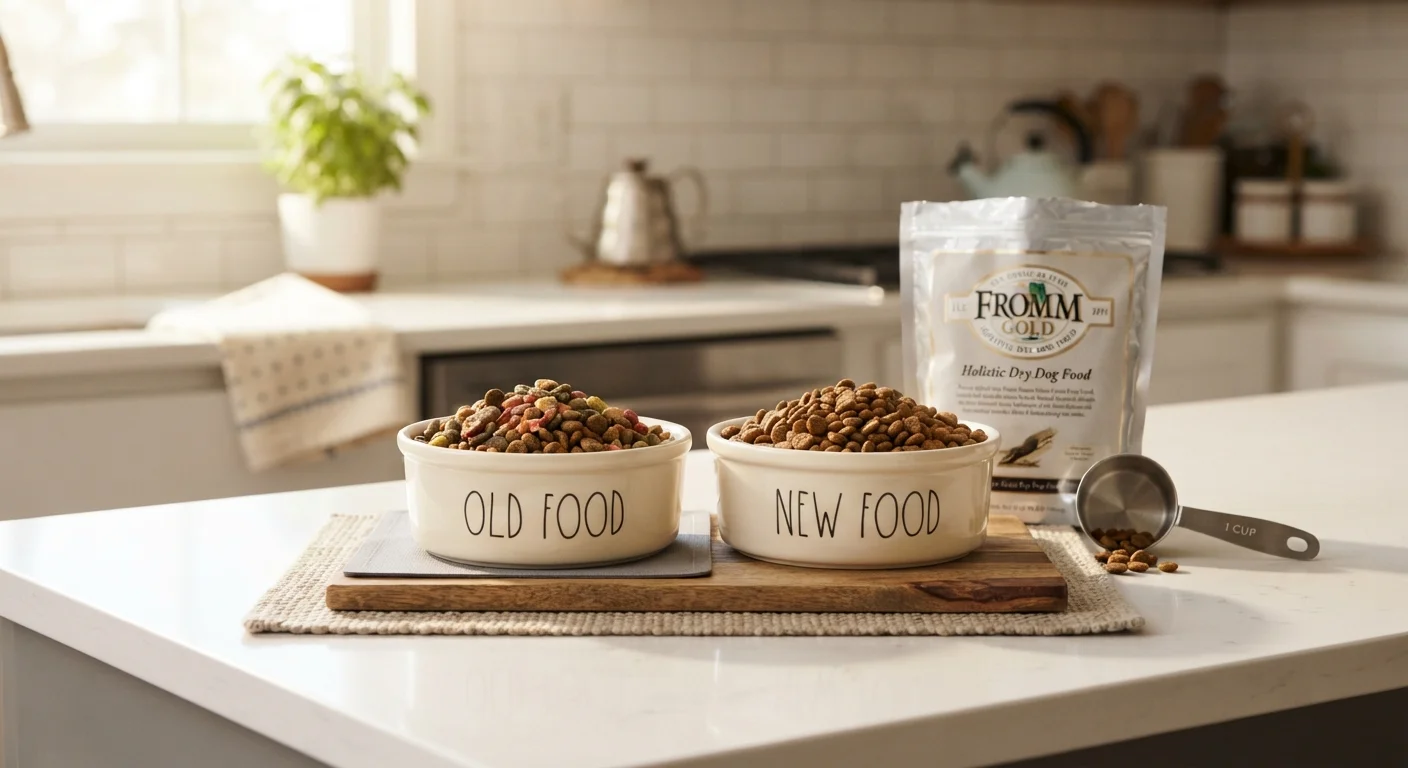
Photo credit: InsightsGrove.com | Discover Joy In Reading
A gradual, structured approach to switching pet foods that minimises stomach upset and helps your animal adjust comfortably.
Key Takeaways
- A 7-10 day gradual transition reduces the risk of vomiting, diarrhea, and food refusal.
- Sudden food switches are one of the most common causes of digestive upset in dogs and cats.
- Monitoring stool consistency and appetite daily helps you catch problems before they escalate.
- Senior pets and those with sensitive stomachs may need a longer, slower transition period.
- Understanding pet food labels before switching helps you choose a nutritionally appropriate replacement.
Why Abrupt Food Changes Cause Problems
A pet's digestive system - particularly the population of beneficial bacteria in the gut - is calibrated to the food it processes regularly. When a completely different formula arrives without warning, the gut microbiome does not have time to adjust enzyme production and bacterial balance. The result is often vomiting, gas, diarrhea, or outright refusal to eat.
This is not a sign that the new food is inherently wrong for your pet. In most cases, it is simply a matter of pacing. The Pet Health Basics hub covers a range of foundational topics that complement this kind of proactive care.
What you will need
Budget-conscious owners sometimes face an abrupt switch out of necessity - a food is discontinued, a sale runs out, or finances require a change. Even in those situations, a gradual approach over just one week is far preferable to an overnight swap. If supply is the constraint, practical strategies for stretching your pet food budget may help you plan ahead more effectively.
When to Contact Your Veterinarian
If your pet experiences bloody stool, persistent vomiting lasting more than 24 hours, complete appetite loss, or signs of lethargy during a food transition, stop the new food and contact your veterinarian promptly. These symptoms can indicate an underlying condition beyond simple adjustment. This article provides general guidance only and is not a substitute for professional veterinary advice.
Following the Transition Schedule
The steps below use a standard 7-10 day schedule that veterinary nutritionists broadly recommend for healthy adult pets. Kittens, puppies, and senior animals may benefit from a slower pace - up to 14 days - because their digestive systems are either still maturing or less resilient. Our guide on caring for a senior pet explains how routines, including feeding, need to evolve with age.
Kitchen scale or measuring cups
Ensures accurate ratio measurements during each stage of the transition.
Daily log (notebook or app)
Tracks stool quality, appetite, and any adverse reactions throughout the transition.
Shallow mixing bowl
Allows old and new food to be combined evenly before serving.
Assess the new food before you begin
Before mixing a single kibble, review the ingredient list and guaranteed analysis on the new food's packaging. Confirm it meets your pet's life stage requirements (puppy, adult, or senior) and that the protein and fat levels are appropriate. Our guide to reading pet food labels walks through what those numbers actually mean. If your pet has a known allergy or sensitivity, cross-check every listed ingredient carefully.
Start with a 75/25 split (Days 1-3)
For the first three days, serve 75% of the current food and 25% of the new food, mixed together in the bowl. Measure by weight rather than volume for accuracy, especially if the two foods have different kibble sizes or densities. Serve at your pet's normal mealtimes - do not add extra food during this phase.
Move to a 50/50 mix (Days 4-5)
If your pet's stool remains firm and their appetite is steady, increase the new food to 50% of the total meal. At this midpoint, it is common for pets to begin showing a clear preference or mild hesitation. A pet that picks around the new food is worth monitoring; one that refuses to eat entirely for more than one meal warrants slowing the transition down by returning to the previous ratio for another day or two.
Shift to 25% old food / 75% new food (Days 6-7)
Continue increasing the proportion of new food. By day seven, the new formula should make up the majority of the meal. Keep monitoring stool consistency - a stool that is slightly softer than normal is common and usually self-resolves. Loose, watery, or mucus-streaked stool, however, is a signal to pause and hold the current ratio for an extra two to three days.
Complete the switch to 100% new food (Days 8-10)
By day eight to ten, your pet should be eating the new food exclusively. Continue observing their digestion and energy level for a further week after full transition. Most healthy adult dogs and cats adapt well within this window. If your pet is older or has a history of gastrointestinal sensitivity, extending the full transition to 14 days is a reasonable and often recommended approach - see our article on how health needs shift in senior pets for additional context.
Keep a Simple Transition Log
Jot down daily notes on stool firmness, appetite level, and any vomiting during the transition week. This takes less than a minute per day and gives your vet useful information if problems arise. A simple notebook or notes app works perfectly.
Don't Rush for a Deal
Buying a large bag of new food before confirming your pet tolerates it can be a costly mistake. Purchase a smaller quantity first, complete the transition successfully, then stock up. This is especially important if your pet has a history of food sensitivities or allergies.
Once your pet has fully transitioned, revisit portion sizes. Different formulas carry different caloric densities, so the amount that was correct for the old food may not be right for the new one. Refer to the feeding guidelines on the packaging as a starting point, then adjust based on body condition. For a broader look at portion management, see our article on building a balanced feeding routine on a tight budget.
This article is for general informational purposes only and does not constitute veterinary or medical advice. Always consult a qualified veterinarian before making significant changes to your pet's diet, particularly if your animal has an existing health condition.

Author
Pets & Care Editorial Team
Pets & Care Editorial Team is the collective byline for our editorial team and contributor network. Articles published under this byline or an editorial pen name are researched, written, and reviewed according to our editorial standards for clarity, consistency, and independence before publication.
View all articles →