
Caring for a Senior Pet: How Routines Need to Evolve
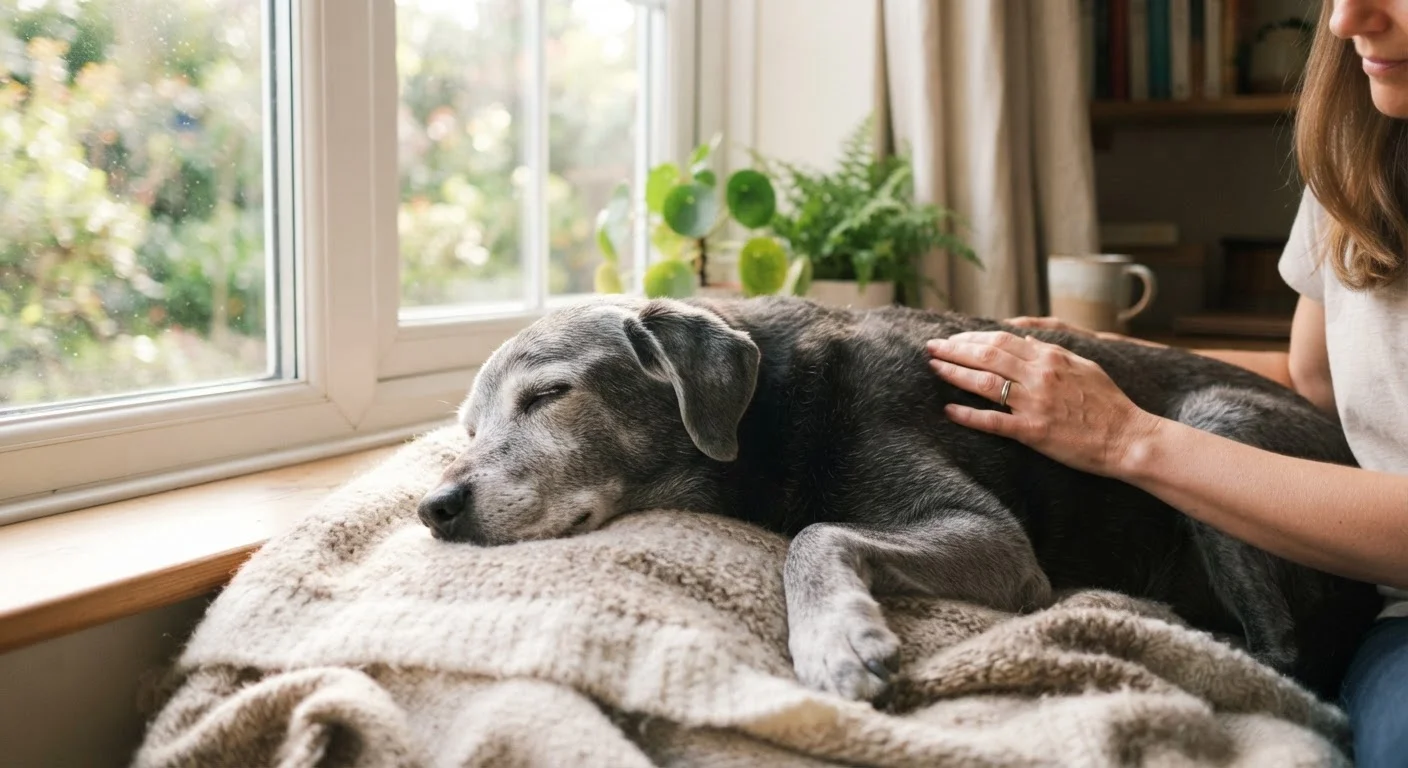
Photo credit: InsightsGrove.com | Discover Joy In Reading
In this article
Older pets need adjusted grooming, exercise, and monitoring habits. Here's what changes and why it matters as your pet ages.
Key Takeaways
- Senior pets need more frequent vet check-ups - typically twice a year rather than once.
- Exercise routines should be shorter and gentler, not eliminated entirely.
- Daily observation is one of the most powerful and cost-free tools an owner has.
- Grooming needs often increase as pets age due to changes in coat, skin, and nail growth.
- Diet adjustments tailored to senior life stages can support joint, kidney, and heart health.
- Consistent routines reduce anxiety and make it easier to spot early signs of illness.
Why Routines Must Shift as Pets Age
A routine that worked perfectly for a two-year-old dog may quietly become inadequate - or even counterproductive - for that same animal at ten. Aging brings gradual but real changes: slower metabolism, stiffer joints, reduced sensory sharpness, and a greater vulnerability to illness. Routines built for younger animals don't account for these shifts.
The good news is that thoughtful adjustments don't require expensive products or a complete overhaul. They require observation, flexibility, and consistency. As the research on pet routines suggests, predictable structure reduces anxiety in pets and makes health changes easier to detect early - both critical advantages as animals age.
Senior Doesn't Mean Sedentary
A common misconception is that aging pets should rest and be left largely undisturbed. In reality, mental stimulation and moderate physical activity are important for cognitive health and emotional wellbeing throughout a pet's life. The goal is appropriate activity, not inactivity.
Exercise: Gentler, Not Gone
One of the most common mistakes owners make is either maintaining an overly demanding exercise routine out of habit or abandoning activity altogether out of concern. Neither extreme serves a senior pet well.
For dogs, shorter and more frequent walks tend to work better than one long outing. Low-impact movement - gentle walks on soft ground, light play - helps preserve muscle mass and joint mobility without stressing aging bodies. For cats, interactive play using toys that don't require explosive jumping remains valuable for both physical and cognitive health.
Watch for signs that a session is too much: excessive panting, lagging behind, reluctance to move, or stiffness afterward. Adjust accordingly, and always mention new mobility concerns to your vet. For more on how health needs change with age, see our guide on ageing pet health needs.
Start Adjustments Gradually
Sudden changes to exercise duration or diet can cause digestive upset or physical strain in senior pets. Introduce any routine shift over one to two weeks, watching your pet's response closely. Gradual transitions are easier on aging bodies and give you time to spot what's working.
Nutrition: Matching Food to Life Stage
Senior pets have meaningfully different nutritional requirements than their younger counterparts. Reduced caloric needs due to lower activity, alongside increased needs for joint-supporting nutrients and carefully managed protein levels, make life-stage-appropriate feeding more than a marketing idea.
Nutritional needs shift across a dog's life, and the same holds true for cats. Consult your veterinarian before switching foods - particularly if your pet has kidney, liver, or heart concerns, where dietary balance is especially important. Overfeeding remains a risk even with healthy seniors, as excess weight accelerates joint deterioration.
Fresh water availability should be monitored more closely in older pets. Increased or decreased water intake can be an early indicator of kidney or thyroid changes.
Grooming and Home Monitoring
Grooming sessions are not just cosmetic - for senior pets, they're one of the most practical health-monitoring tools an owner has. Regular brushing allows you to notice lumps, skin changes, thinning coat areas, or signs of pain when touched. Nail trims become more important as senior pets exercise less and nails grow faster relative to wear.
Dental hygiene also tends to need more attention in older animals. Gum disease is common in senior cats and dogs and can affect overall health. Regular tooth brushing at home - even a few times per week - makes a measurable difference over time.
Daily observation is cost-free and powerful. Tracking changes in appetite, bathroom habits, energy, and behavior gives you and your vet the information needed to respond early rather than reactively. This approach pairs well with budget-conscious care strategies that keep pets healthy without financial strain.
~50%
Senior dogs affected by arthritis
Estimates from veterinary orthopedic research suggest that roughly half of dogs over age 8 show some degree of arthritis, often detectable through behavioral changes before visible lameness.
2x/year
Recommended vet visits for senior pets
The American Veterinary Medical Association recommends that senior pets receive wellness exams twice yearly to catch age-related conditions early.
85%
Cats over 12 with dental disease
According to veterinary dental health guidelines, the majority of cats aged 12 and older show signs of periodontal disease, making regular dental hygiene a priority in senior care routines.
Adapting Your Home and Schedule
Small environmental changes can meaningfully improve comfort for a senior pet. Orthopedic or memory-foam beds reduce joint pressure during sleep. Ramps or low steps near furniture and vehicles reduce strain on hips and knees. Non-slip mats on hard floors prevent falls in pets with reduced coordination.
Schedule adjustments matter too. More frequent, shorter bathroom breaks help dogs with reduced bladder control. Feeding at consistent times supports digestive regularity. These changes also apply across different seasons - see our article on seasonal pet care adjustments for guidance on how temperature and weather affect older animals specifically.
The underlying principle is straightforward: a senior pet's routine should reduce unnecessary physical demand while preserving engagement, stimulation, and connection. That balance - between protection and participation - is what good senior care looks like in practice.
This article is for general informational purposes only and does not constitute veterinary or medical advice. Always consult a qualified veterinarian regarding your individual pet's health needs.
Frequently Asked Questions

Author
Pets & Care Editorial Team
Pets & Care Editorial Team is the collective byline for our editorial team and contributor network. Articles published under this byline or an editorial pen name are researched, written, and reviewed according to our editorial standards for clarity, consistency, and independence before publication.
View all articles →