
Feeding Small Pets: Nutrition Basics for Rabbits, Guinea Pigs, and Hamsters
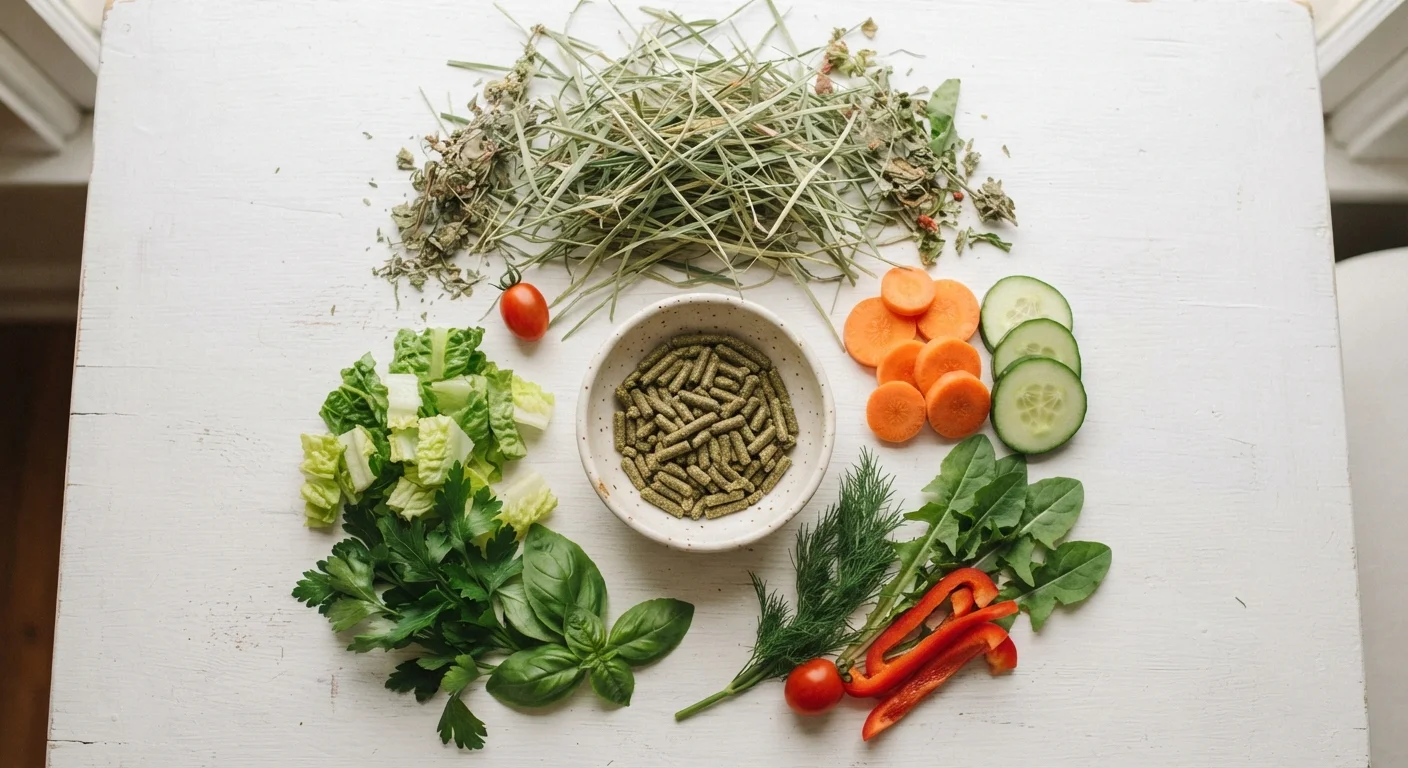
Photo credit: InsightsGrove.com | Discover Joy In Reading
In this article
Each small pet species has distinct dietary needs. This guide covers the core nutritional building blocks for common small animals.
Why Species-Specific Nutrition Matters
Rabbits, guinea pigs, and hamsters are all small, quiet, and cage-dwelling - but their digestive systems are remarkably different. Feeding one species' diet to another can cause serious health problems, ranging from digestive upset to dangerous nutritional deficiencies. Understanding the basics of each animal's needs helps you shop smarter and care more confidently.
This reference guide covers the core dietary building blocks for each species. It is intended as general educational information only. Always consult a qualified exotic animal veterinarian for guidance specific to your pet's health and individual needs.
| Primary food - Rabbit | Unlimited grass hay (80-85% of diet) (House Rabbit Society dietary guidelines) |
| Primary food - Guinea Pig | Unlimited grass hay + daily vitamin C-rich vegetables (Humane Society of the United States) |
| Primary food - Hamster | Pelleted hamster mix + small fresh vegetable portions (General exotic pet veterinary guidance) |
| Vitamin C requirement - Guinea Pig | 10-30 mg per day (varies by age and health) (Exotic animal veterinary references) |
| Dietary classification - Hamster | Omnivore |
| Dietary classification - Rabbit & Guinea Pig | Herbivore |
For broader day-to-day planning, see our guide to pet care on a tight budget for practical strategies that don't compromise your pet's wellbeing.
Rabbits: Fiber Is the Foundation
A rabbit's digestive system is built around continuous fiber intake. Unlimited grass hay - such as timothy, orchard grass, or meadow hay - should make up approximately 80-85% of an adult rabbit's daily diet. Hay supports healthy gut motility and wears down continuously growing teeth.
Fresh leafy greens (such as romaine lettuce, cilantro, and leafy herbs) can be offered daily in moderate amounts. High-sugar vegetables and most fruits should be given only as occasional small treats. Commercial pellets can supplement the diet but should not be the primary food source for adult rabbits - excess pellets contribute to obesity and dental problems.
Hay (grass hay)
Dried grass - such as timothy or orchard grass - that forms the dietary backbone for rabbits and guinea pigs. It provides essential fiber that supports healthy digestion and natural tooth wear.
Gut motility
The movement of food through the digestive tract. In rabbits especially, continuous gut motility is critical; a slowdown (called GI stasis) can become life-threatening quickly.
Vitamin C (ascorbic acid)
A water-soluble vitamin that guinea pigs - like humans - cannot produce on their own. It must come from fresh food sources daily to prevent deficiency.
Selective feeding
When an animal picks preferred (often high-fat) components from a mixed diet and ignores the rest, resulting in unbalanced nutrition over time.
Scurvy
A condition caused by vitamin C deficiency, characterized by weakness, joint pain, and poor healing. Guinea pigs are particularly vulnerable if their diet lacks fresh vitamin C sources.
Pelleted food
Compressed, uniform pellets formulated to deliver balanced nutrition. They reduce selective eating compared to loose seed or grain mixes.
Key things to avoid: iceberg lettuce (low nutrition, high water content), seeds, nuts, corn, and sugary processed treats marketed for rabbits. Always ensure fresh, clean water is available at all times.
Guinea Pigs: The Vitamin C Requirement
Guinea pigs share one critical nutritional trait with humans: they cannot synthesize their own vitamin C. Without adequate dietary vitamin C, guinea pigs develop scurvy, a condition causing joint pain, lethargy, and poor wound healing. This makes fresh produce non-negotiable in their diet.
Like rabbits, guinea pigs need unlimited grass hay as their dietary base. Fresh vegetables rich in vitamin C - such as bell peppers, leafy greens, and parsley - should be offered daily. Pellets formulated specifically for guinea pigs (not rabbits, whose pellets may lack vitamin C) can provide additional nutrients, though pellet vitamin C degrades over time after packaging.
Guinea Pig Vitamin C Degrades in Pellets
Vitamin C is unstable and breaks down after pellets are manufactured and packaged. Relying solely on pellets to meet a guinea pig's vitamin C needs may leave them deficient, especially if the food has been stored for a while. Fresh vegetables remain the most reliable daily source. Drops added to water are not generally recommended by exotic vets, as they degrade quickly and may alter taste.
For help understanding how to read pellet labels and ingredient lists, visit our guide to pet food labels.
Hamsters: Omnivores With Different Needs
Unlike rabbits and guinea pigs, hamsters are omnivores. In the wild, they eat seeds, grains, insects, and plant matter. This means their nutritional needs include modest amounts of protein alongside complex carbohydrates and fats.
Commercial hamster seed mixes or pelleted foods designed for hamsters provide a reasonable dietary base. Small amounts of fresh vegetables, cooked plain chicken, or hard-boiled egg can offer protein variety. However, many seed mixes encourage selective eating - hamsters often pick out high-fat seeds and leave the rest - so pelleted foods that prevent selective feeding may offer more balanced nutrition.
80-85%
Hay as share of adult rabbit's diet
According to House Rabbit Society guidelines, grass hay should make up the vast majority of an adult rabbit's daily food intake.
3 species
Common small pets with distinct dietary needs
Rabbits, guinea pigs, and hamsters each require different nutritional approaches - a one-size-fits-all diet can cause harm.
Foods to avoid for hamsters: citrus fruits (too acidic), onions, garlic, sugary treats, and anything sticky that could get lodged in cheek pouches. Hamsters are also sensitive to excess moisture in their diet, which can cause digestive issues.
For more on fitting nutritious feeding into a limited budget, see budget-friendly feeding strategies and our balanced feeding routine guide.
This article is for general informational and educational purposes only and does not constitute veterinary or medical advice. Always consult a qualified exotic animal veterinarian for guidance tailored to your individual pet's health needs.

Author
Pets & Care Editorial Team
Pets & Care Editorial Team is the collective byline for our editorial team and contributor network. Articles published under this byline or an editorial pen name are researched, written, and reviewed according to our editorial standards for clarity, consistency, and independence before publication.
View all articles →