
Bodyweight Training: What It Actually Is and How It Works
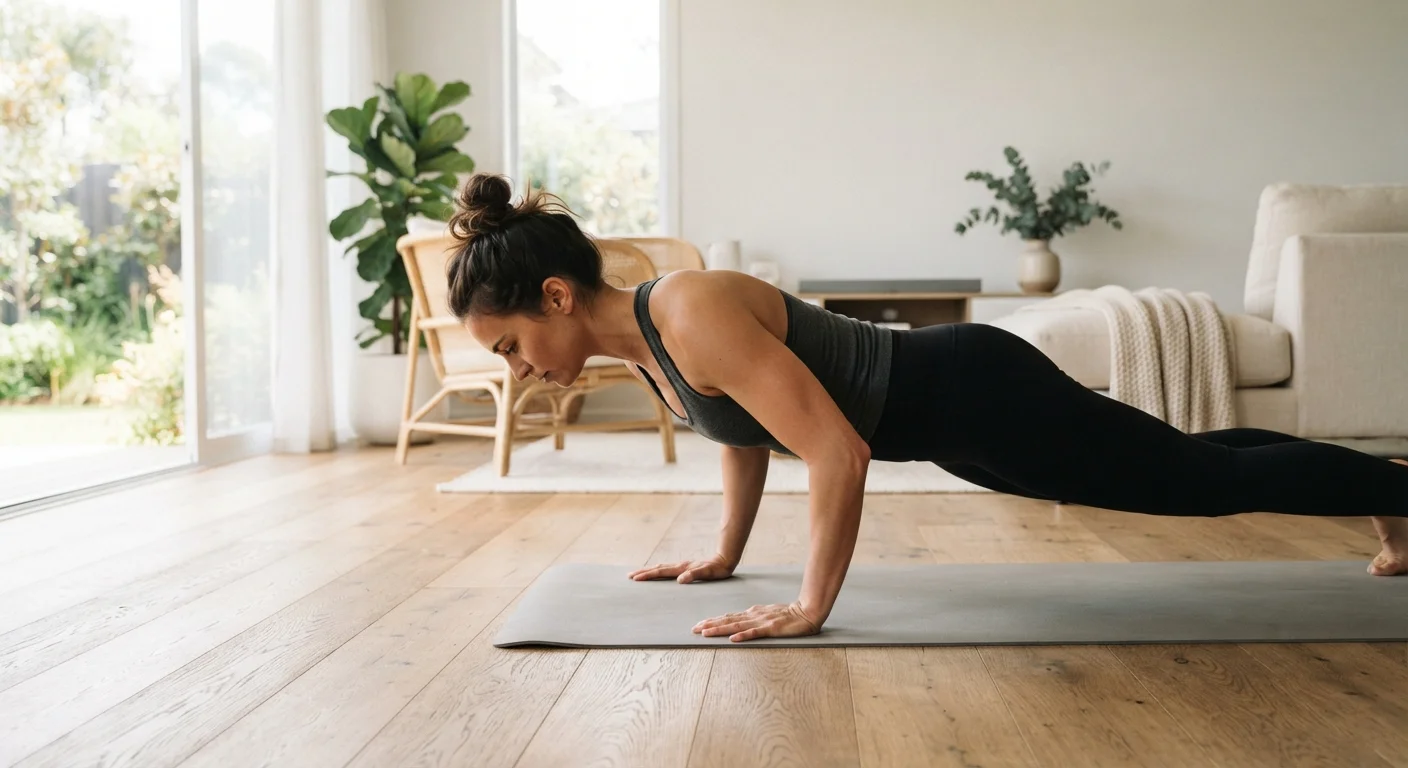
Photo credit: InsightsGrove.com | Discover Joy In Reading
In this article
Understand the science behind bodyweight exercise, why it builds strength, and what makes it an effective alternative to gym-based training.
Key Takeaways
- Bodyweight training builds genuine strength and muscle by applying mechanical tension and metabolic stress to muscle tissue.
- No gym membership or equipment is required - making it a zero-cost fitness method.
- Progressive overload is still possible without weights by adjusting leverage, tempo, and movement complexity.
- Research supports bodyweight exercise as effective for improving strength, endurance, and cardiovascular health.
- Consistency and programming matter more than the specific tools you use.
The Science of Using Your Body as Resistance
At its core, muscle development and strength adaptation follow the same physiological rules regardless of whether the resistance comes from a barbell or your own bodyweight. When a muscle is placed under sufficient tension - through load, range of motion, and volume - it responds by repairing and reinforcing muscle fibers. This process, driven by mechanical stress and metabolic fatigue, is the foundation of all resistance training.
Bodyweight exercise creates that tension through gravity and body position. A push-up, for instance, loads the chest, shoulders, and triceps under a percentage of total body mass. Change the angle - feet elevated, hands closer together - and you shift the load and increase difficulty without adding a single pound of external weight.
8 weeks
Time to measurable strength gains in beginners
Multiple controlled exercise studies have demonstrated significant strength improvements from progressive bodyweight programs within 6-8 weeks in previously untrained individuals.
0
Equipment required for core movements
The foundational patterns of push, pull, squat, hinge, and core stabilization can all be trained effectively using only bodyweight and floor space.
~70%
Body mass loaded in a standard push-up
Biomechanics research estimates that a standard push-up loads the upper body with approximately 69-70% of total body mass, making it a meaningful resistance stimulus.
This adaptability is central to why bodyweight training works across a wide fitness spectrum, from complete beginners to experienced athletes incorporating calisthenics into complex training programs.
What Makes It Different From Weight Training
The primary practical difference between bodyweight and weight-based training is the method of progressive overload - the principle of gradually increasing the challenge to the body over time. With free weights, you add plates. With bodyweight training, progression comes from exercise variation, leverage, tempo, and volume.
A standard squat becomes a Bulgarian split squat, then a pistol squat. A push-up progresses to a pike push-up, then a handstand push-up. Each variation shifts mechanical demand, engages stabilizers differently, and places greater neuromuscular requirements on the body.
Track Your Progressions, Not Just Your Reps
Rather than simply counting reps, note which variation of each exercise you're performing and how challenging it felt. When a movement becomes too easy, move to a harder variation instead of just adding volume. Keeping a simple log - even a notes app on your phone - helps you identify when it's time to progress.
Bodyweight training also tends to develop relative strength - strength proportional to body mass - which has strong carryover to everyday movement, athletic performance, and injury resilience. For a clear look at how it stacks up against resistance bands, another low-cost option, see resistance bands vs bodyweight exercises.
Common Misconceptions About Effectiveness
One persistent belief is that bodyweight training is only useful for cardio or flexibility, not for building real strength. The evidence doesn't support this. Research published in peer-reviewed sports science journals consistently shows that progressive calisthenics programs produce measurable increases in muscular strength and size, particularly in individuals who have not yet reached advanced training status.
Another misconception is that without equipment, workouts plateau quickly. In reality, the number of bodyweight movement variations - and the manipulation of tempo, rest, and volume - provides substantial programming latitude. Common fitness myths like 'you need weights to build muscle' are directly challenged by this body of research.
Bodyweight Training Has a Strength Ceiling
While bodyweight exercise is highly effective for most fitness goals, it has practical limits for advanced strength development. Exercises like maximum-load deadlifts or heavy bench press require external resistance that body position alone cannot replicate. Understanding this helps set appropriate expectations and guides decisions about whether to supplement with other tools over time.
That said, bodyweight training does have real limitations. For individuals targeting very high levels of maximum strength - competitive powerlifting, for example - external loading provides options that body position alone cannot fully replicate. Knowing where the method excels and where it has ceilings helps set realistic expectations.
Getting Started: Structure Matters More Than Intensity
Effective bodyweight training isn't random movement - it's organized around movement patterns: push, pull, squat, hinge, and core stabilization. Covering these categories across a weekly plan ensures balanced muscle development and reduces the risk of overuse patterns.
For readers ready to apply this understanding practically, our guide to building a weekly workout routine without any equipment walks through how to structure balanced sessions using bodyweight principles. And when you're ready to keep making progress, the guide on progressive overload without weights explains how to continue challenging your body as you improve.
This article is for general informational and educational purposes only. It is not a substitute for personalized medical or fitness advice. Consult a qualified healthcare or fitness professional before starting any new exercise program, particularly if you have existing health conditions or injuries.
Frequently Asked Questions

Author
Health & Wellness Editorial Team
Health & Wellness Editorial Team is the collective byline for our editorial team and contributor network. Articles published under this byline or an editorial pen name are researched, written, and reviewed according to our editorial standards for clarity, consistency, and independence before publication.
View all articles →