
Before You Start a New Home Exercise Routine: A Safety and Readiness Check
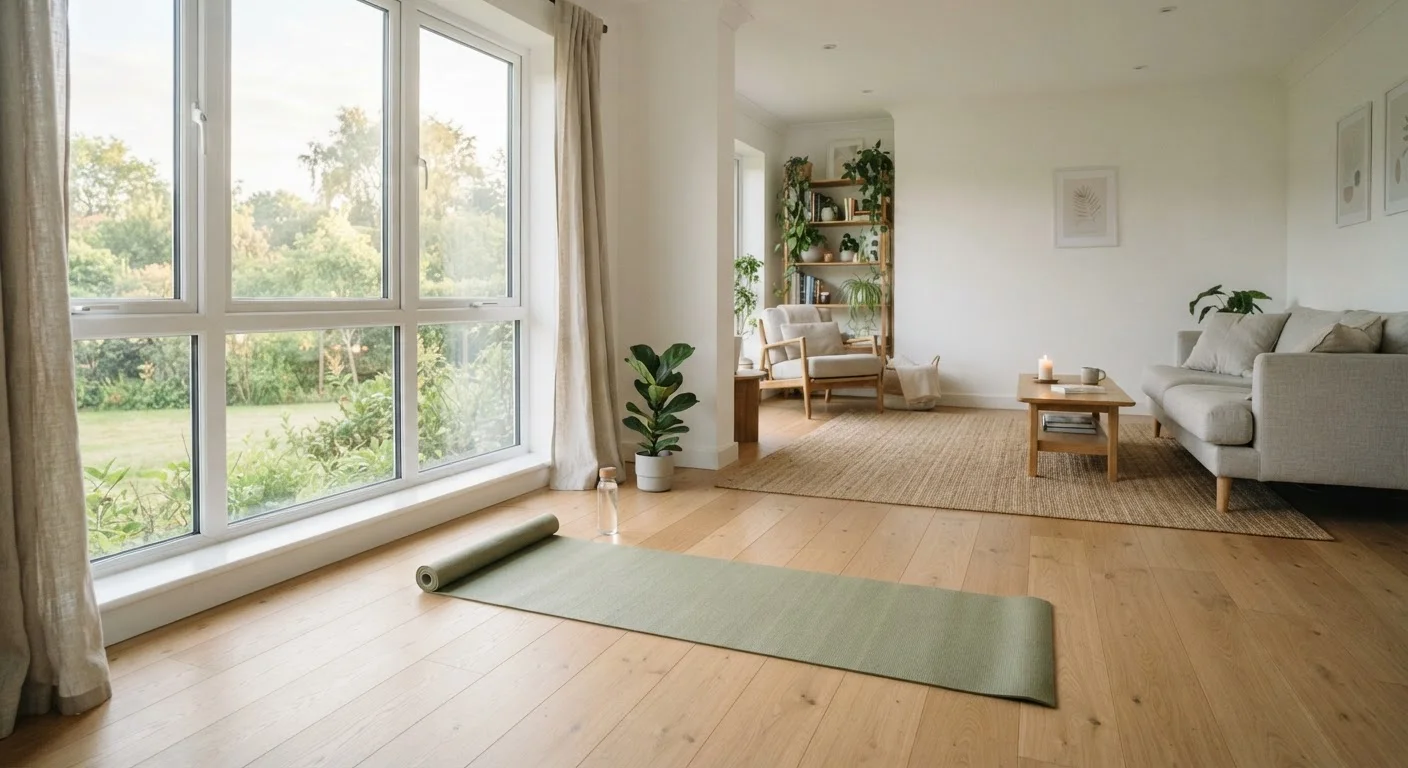
Photo credit: InsightsGrove.com | Discover Joy In Reading
In this article
Use this checklist to assess your readiness before beginning home workouts — covering space safety, health considerations, and realistic goal-setting.
Key Takeaways
- Checking your health status before starting a new routine can prevent injury and setbacks.
- Your workout space should be free of tripping hazards and have adequate ceiling height for movement.
- Realistic goal-setting based on your current fitness level improves long-term consistency.
- Beginners should start with lower intensity and shorter sessions, progressing gradually.
- Basic equipment is optional - many effective home workouts require zero gear.
Why a Pre-Workout Readiness Check Matters
Starting a home exercise routine is one of the most accessible and cost-effective decisions you can make for your health. But jumping straight into workouts without a brief audit of your health status, environment, and goals is one of the most common reasons people quit - or get hurt - within the first few weeks.
This checklist is designed to help you pause, assess, and set yourself up for a routine that actually sticks. Whether you're brand new to fitness or returning after a long break, the 20-40 minutes you spend on this checklist may save you weeks of frustration down the line.
Once you've worked through these items, you'll be well-prepared to move into starting home fitness from scratch with a clear plan in place.
Medical Clearance Is Non-Negotiable for Some
If you have a cardiovascular condition, have been sedentary for an extended period, are managing a chronic illness, or are returning from injury, you should speak with a healthcare provider before starting any new exercise program. This checklist is general educational information, not medical advice. When in doubt, a quick telehealth consultation is a low-cost way to get personalized guidance.
Tools and Resources for This Checklist
Most of what you need for this readiness check is free and already in your home. A few optional resources can help you track and structure your preparation more effectively.
Notebook or journal
Record your goals, baseline fitness level, and session notes - a handwritten log costs nothing and builds accountability.
Smartphone timer or free interval app
Structure work and rest intervals during workouts without purchasing specialized equipment.
Non-slip exercise mat
Provides traction and cushioning on hard floors, reducing slip risk during floor-based movements.
Measuring tape
Verify that your workout area meets minimum space requirements before your first session.
Healthcare provider contact
Consult before starting if you have any health concerns - a telehealth call may be a low-cost option if in-person visits are not accessible.
The Full Readiness Checklist
Work through each group below at your own pace. Mark off every item you've addressed - if you can't check something, treat it as an action step before your first session rather than a reason to delay indefinitely.
Health and Medical Readiness
Space and Environment Safety
Goal-Setting and Expectations
Equipment and Clothing
Don't Skip the Warm-Up - Ever
Even in a short home workout, beginning with at least 5 minutes of light movement (marching in place, gentle arm circles, slow bodyweight squats) prepares your joints and raises your core temperature. Starting cold and jumping directly into high-effort movements is a leading cause of preventable strains, particularly in the lower back and knees. Build this habit from your very first session.
After completing this checklist, a natural next step is building your first structured plan. Our guide to building a weekly workout routine without any equipment walks you through exactly how to organize your days and movements. If space is a limiting factor, small-space fitness strategies can help you adapt. And don't overlook recovery - rest days are a genuine training tool, not optional extras.
This article is for general informational and educational purposes only and does not constitute medical advice. Consult a qualified healthcare professional before beginning any new exercise program, especially if you have an existing health condition, injury, or are returning to activity after an extended period of rest.

Author
Health & Wellness Editorial Team
Health & Wellness Editorial Team is the collective byline for our editorial team and contributor network. Articles published under this byline or an editorial pen name are researched, written, and reviewed according to our editorial standards for clarity, consistency, and independence before publication.
View all articles →