
Protein on a Budget: Eggs, Legumes, and the Meat Aisle Compared
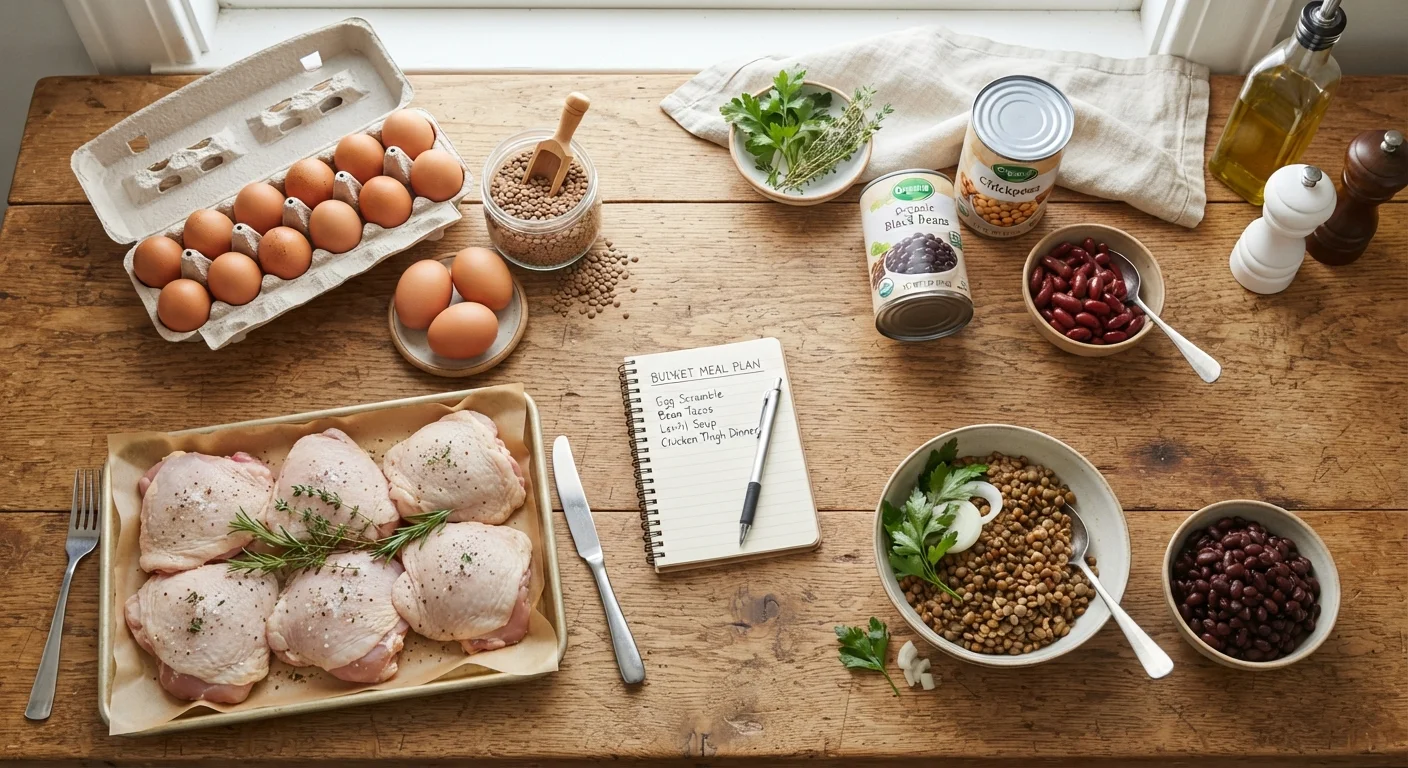
Photo credit: InsightsGrove.com | Discover Joy In Reading
In this article
A clear breakdown of the most affordable protein sources, their nutritional profiles, and how to get enough protein without leaning on expensive cuts of meat.
Key Takeaways
- Legumes are typically the most cost-effective protein source per gram, with added fiber and micronutrients.
- Eggs deliver complete protein and essential nutrients at a consistently low cost per serving.
- Budget meat cuts like chicken thighs and canned fish offer strong nutritional value compared to premium options.
- Mixing plant and animal proteins throughout the week helps balance both nutrition and grocery costs.
- This content is general nutrition information - consult a registered dietitian for personalized guidance.
Why Protein Source Matters More Than Price Alone
Protein is essential for muscle repair, immune function, enzyme production, and satiety - but not all dietary protein is created equal, and neither is its cost. When you're managing a tight food budget, the smartest approach isn't simply buying the cheapest item per pound. It's understanding cost per gram of protein alongside the nutritional context each source brings.
For a fuller picture of how protein fits into an overall budget eating strategy, see our guide to eating well on a tight budget. This article focuses specifically on comparing three accessible protein categories: eggs, legumes, and affordable meat options.
| Eggs | Dried Legumes | Canned Legumes | Chicken Thighs | Canned Fish (Tuna/Sardines) | |
|---|---|---|---|---|---|
| Cost per serving (approx.) | Low | Very low | Low-moderate | Low-moderate | Low |
| Protein per serving | ~6g per egg | ~18g per cup (cooked) | ~15g per cup | ~25g per 3 oz | ~20-25g per can |
| Complete protein? | Yes | No (pair with grains) | No (pair with grains) | Yes | Yes |
| Key micronutrients | B12, choline, vitamin D | Iron, folate, potassium | Iron, folate, fiber | Iron, zinc, B vitamins | Omega-3s, B12, calcium (sardines) |
| Prep time | Very fast | Requires soaking/cooking | Fast (ready to use) | Moderate | Very fast |
| Shelf stability | Refrigerated | Long-term dry storage | Long-term canned | Refrigerated/frozen | Long-term canned |
Eggs: The Reliable All-Rounder
Eggs are one of the most nutritionally complete foods available at a low price point. A single large egg provides roughly 6 grams of complete protein - meaning it contains all nine essential amino acids the body cannot produce on its own. They also deliver choline, vitamin D, B12, and healthy fats in the yolk.
From a practical standpoint, eggs are fast to prepare, require no soaking or extended cooking, and work across every meal of the day. Because they're a complete protein source, they're particularly useful for people eating less meat without requiring careful food combining.
Get More From Your Egg Budget
Hard-boiling a batch of eggs at the start of the week makes them grab-and-go convenient for snacks or quick lunches. Whole eggs and egg whites both contribute to your daily protein - resist discarding yolks, as they contain the majority of the egg's vitamins and minerals. Buying larger carton sizes typically reduces cost per egg compared to smaller packs.
One limitation worth noting: egg prices can be more volatile than dried legumes, and those with certain cardiovascular risk factors are sometimes advised to moderate intake - though dietary guidelines on this have evolved. As always, individual needs vary, so consult a healthcare professional if you have specific concerns.
Legumes: Maximum Protein Per Dollar
Dried lentils, chickpeas, black beans, and kidney beans are consistently among the cheapest foods in any US grocery store. A one-pound bag of dried lentils typically yields numerous servings and provides substantial protein alongside significant dietary fiber, iron, folate, and potassium - nutrients many young adults fall short on.
The key nutritional caveat: most legumes are incomplete proteins on their own, meaning they're lower in certain essential amino acids (particularly methionine). Pairing them with whole grains like brown rice or whole wheat bread across the course of a day provides a complementary amino acid profile - these foods don't need to be eaten in the same meal to be effective. For a deeper look at why these foods are nutritionally exceptional, see the nutritional case for pulses, grains, and legumes.
Canned versions cost more per serving than dried but still represent strong value and eliminate soaking time - a reasonable trade-off on busy days.
Budget Meat Cuts: Strategic, Not Lavish
The meat aisle doesn't have to mean expensive steaks. Several budget-friendly animal protein options deliver excellent nutritional value:
- Chicken thighs - cheaper than breasts, higher in fat (mostly unsaturated), and rich in iron, zinc, and B vitamins.
- Canned tuna and sardines - shelf-stable, complete protein, and excellent sources of omega-3 fatty acids and vitamin D. Sardines in particular also provide calcium from their soft bones.
- Ground turkey or chicken - lean, versatile, and generally less expensive than ground beef.
- Eggs from the meat aisle perspective - worth noting that whole eggs are often shelved near deli sections and merit comparison with processed deli meats, which tend to be higher in sodium and lower in overall nutritional value.
These options offer something legumes and eggs can't fully replicate: heme iron (more bioavailable than plant-based iron) and preformed vitamin B12, both important for energy and neurological health. Affordable foods with an outsized nutritional punch covers sardines and other underrated options in more detail.
~18g
Protein per cooked cup of lentils
According to USDA FoodData Central, one cup of cooked lentils provides roughly 18 grams of protein alongside significant fiber and iron.
6g
Complete protein per large egg
The USDA reports that one large egg contains approximately 6 grams of protein, including all nine essential amino acids.
~$0.20-0.35
Estimated cost per serving - dried lentils
Dried lentils are widely recognized by nutrition researchers as one of the most affordable protein sources available in US grocery stores, though prices vary by region and store.
Building a Practical High-Protein Week on a Budget
The most effective strategy isn't choosing one category exclusively - it's rotating intelligently. A practical weekly approach might look like:
- Use dried or canned legumes as the base for at least three to four meals (soups, grain bowls, tacos, curries).
- Keep eggs on hand for fast, filling meals that require minimal prep.
- Buy one or two budget meat items per week - chicken thighs or canned fish - to cover iron and B12 needs.
This rotation keeps costs manageable while covering a broad nutritional base. Pairing legumes with whole grains is covered further in our guide to carbohydrates on a budget. For smarter grocery habits overall, smart shopping strategies can help you reduce spend without sacrificing quality.
This article is for general informational and educational purposes only and does not constitute medical or dietary advice. Individual nutritional needs vary. Please consult a registered dietitian or qualified healthcare professional before making significant changes to your diet.

Author
Health & Wellness Editorial Team
Health & Wellness Editorial Team is the collective byline for our editorial team and contributor network. Articles published under this byline or an editorial pen name are researched, written, and reviewed according to our editorial standards for clarity, consistency, and independence before publication.
View all articles →