
What a Full Car Service Actually Covers
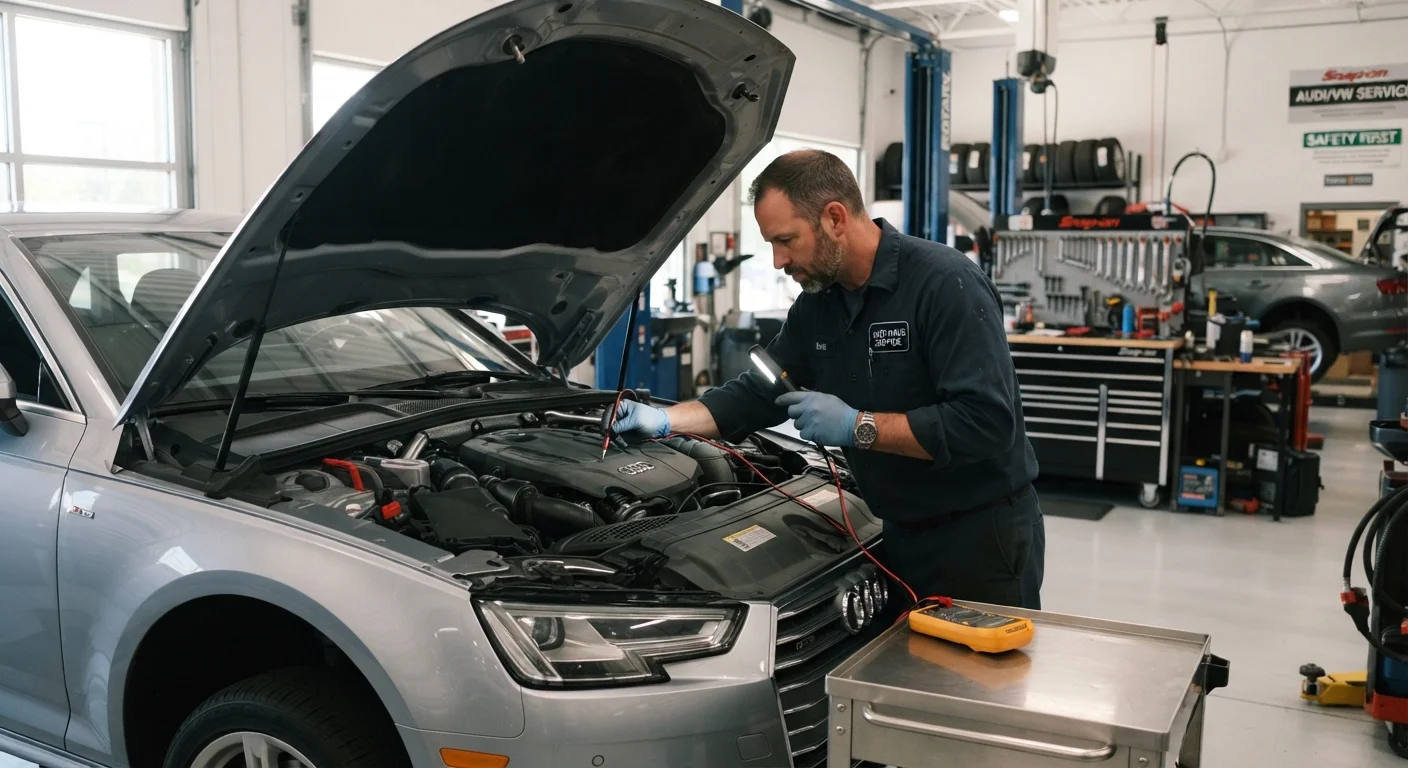
Photo credit: InsightsGrove.com | Discover Joy In Reading
In this article
Demystify the difference between an interim, full, and major service—and understand exactly what mechanics check, test, and replace at each level.
The Three Service Levels - and What Sets Them Apart
When a garage quotes you for a service, they're usually offering one of three tiers: interim, full, or major. Understanding the difference helps you avoid paying for the wrong level - or skipping checks your car actually needs.
| Interim service interval | Every 6 months or ~6,000 miles |
| Full service interval | Annually or every ~12,000 miles |
| Major service interval | Every 24,000-30,000 miles |
| Checks in a typical full service | 50-70+ inspection points |
| Service history impact on resale | Full history can meaningfully increase resale value (General industry guidance; varies by vehicle age and market) |
An interim service is the lightest level. It typically includes an engine oil and filter change, a visual inspection of lights, tyres, and fluid levels, and a check for any obvious leaks or wear. It's designed as a mid-year top-up between fuller services, not a replacement for one.
A full service goes significantly deeper. On top of everything in an interim, it covers brake inspection (pads, discs, and fluid condition), air and cabin filter replacement, spark plug condition check, steering and suspension components, battery condition, and a check of all major fluid levels against manufacturer specifications. It's the minimum most mechanics recommend for annual maintenance.
A major service builds on the full service and typically includes spark plug replacement (not just inspection), a timing belt assessment, fuel filter replacement, and a more thorough drivetrain examination. This level is usually needed every two to three years depending on mileage.
For a plain-English guide to what each manufacturer interval actually means, see Your Car's Maintenance Schedule, Explained.
Service Labels Aren't Standardised
Terms like 'full service' and 'major service' aren't regulated across the industry - different garages may include different items under the same label. Always request a written checklist of exactly what is included before authorising work. Compare this against what your car's manufacturer specifies in the owner's manual.
What Mechanics Actually Check at a Full Service
A genuine full service is a systematic inspection across multiple vehicle systems. Here's what a thorough checklist should cover:
Interim Service
A lighter service typically performed every 6 months or 6,000 miles, covering oil and filter changes plus basic safety checks. It's designed to keep the car running safely between fuller services.
Full Service
A comprehensive inspection performed annually or every 12,000 miles that covers all interim items plus additional fluid checks, filter replacements, and brake inspection. It is the standard benchmark for a well-maintained car.
Major Service
A deep-level service typically done every 24,000-30,000 miles that includes everything in a full service plus spark plug replacement, timing belt checks, and more extensive drivetrain inspections.
Service History
A documented record - in a stamped booklet or digital format - of all services performed on a vehicle, including dates, mileage, and work completed. It directly affects resale value and buyer confidence.
Air Filter
A replaceable element that prevents dust and debris from entering the engine. A clogged air filter can reduce fuel efficiency and engine performance.
Cabin Filter
A filter that cleans air entering the passenger compartment through the heating and ventilation system. Also called a pollen filter, it is often overlooked but inexpensive to replace.
- Engine oil and filter: Old oil is drained and replaced; the filter is swapped out to prevent contamination.
- Air and cabin filters: Both are inspected and replaced if clogged or at the manufacturer's recommended interval.
- Brake system: Pad thickness is measured, disc condition examined for wear or scoring, and brake fluid is checked for moisture content - which degrades braking performance over time.
- Tyre condition: Tread depth (the legal minimum in the US is 2/32 of an inch), inflation, and any uneven wear that might indicate alignment or suspension issues.
- Lights and electrics: All exterior lights are tested; battery voltage and charging rate are checked.
- Steering and suspension: Joints, bushings, and shock absorbers are inspected for play or deterioration.
- Exhaust system: A visual check for corrosion, leaks, or damage to the exhaust manifold and catalytic converter.
- Fluid levels: Coolant, power steering fluid, windshield washer fluid, and transmission fluid are checked against spec.
If you're weighing which of these tasks you might handle yourself, DIY vs. Workshop: Knowing Which Jobs Are Worth Doing Yourself offers a practical breakdown.
50-70+
Inspection points in a full service
Most reputable workshops follow a checklist of 50 to 70 or more individual checks across mechanical, electrical, and safety systems.
~12,000 mi
Typical full service interval
Most manufacturers recommend a full service annually or at around 12,000 miles, whichever comes first - though always verify against your owner's manual.
Why Service Records Matter - Especially When Buying Used
A consistent service history isn't just good maintenance practice - it's financial documentation. A car with verified, stamped service records at appropriate intervals demonstrates it has been maintained to a standard, which can reduce negotiation friction when selling and give used buyers meaningful reassurance.
For buyers, a gap in service history raises legitimate questions: was the car serviced elsewhere and the records lost, or was it skipped entirely? Neither is automatically disqualifying, but both warrant closer scrutiny. A vehicle history report can fill in some gaps - though it has limits. For context on what those reports do and don't reveal, see What a Vehicle History Report Actually Tells You (and What It Misses).
If you're mapping out service costs as part of your broader ownership budget, the Car Costs & Savings hub covers practical strategies for managing fuel, insurance, and maintenance expenses together. For a closer look at reading service intervals on your specific model, Reading Your Car Service Schedule Without Getting Lost is a useful companion reference.
Your Car's Maintenance Schedule, Explained
Breaks down every interval in your manufacturer's schedule so you know what's actually due and why skipping items can lead to costly repairs.
DIY vs. Workshop: Knowing Which Jobs Are Worth Doing Yourself
Helps you decide which service tasks you can safely handle at home and which ones genuinely require a qualified mechanic.
This article provides general educational information about vehicle servicing. Always refer to your vehicle's owner's manual and consult a qualified mechanic for advice specific to your car's make, model, and condition.

Author
Car Ownership Editorial Team
Car Ownership Editorial Team is the collective byline for our editorial team and contributor network. Articles published under this byline or an editorial pen name are researched, written, and reviewed according to our editorial standards for clarity, consistency, and independence before publication.
View all articles →