
Driving Habits That Are Silently Burning Your Fuel Budget
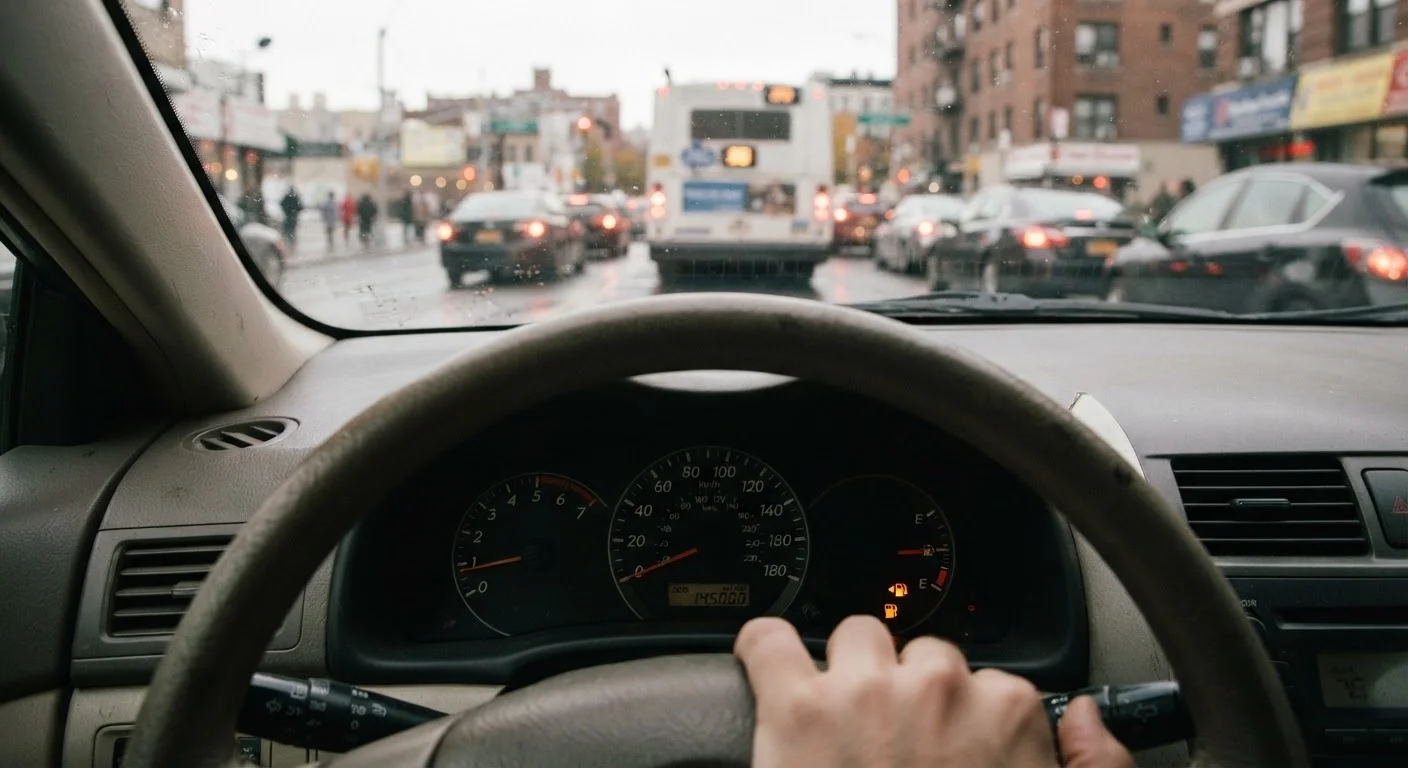
Photo credit: InsightsGrove.com | Discover Joy In Reading
In this article
Hard acceleration, idling, and under-inflated tyres all eat into fuel efficiency. Find out which habits cost the most and how to change them.
Key Takeaways
- Hard acceleration and late braking can reduce fuel efficiency by up to 40% in city driving.
- Idling for more than 60 seconds typically burns more fuel than restarting the engine.
- Under-inflated tyres increase rolling resistance, measurably raising fuel consumption.
- Carrying unnecessary weight and using air conditioning carelessly both add to fuel costs.
- Simple habit changes - not expensive upgrades - deliver the most immediate fuel savings.
Why Your Driving Style Matters More Than Your Fuel Type
Most conversations about fuel costs focus on what you're driving or what fuel type you're using. But research consistently shows that how you drive has as much impact on fuel economy as the vehicle itself. Two drivers in identical cars with the same tank of gas can end up with dramatically different results based purely on their habits behind the wheel.
For budget-conscious young adults, this is genuinely good news: the biggest savings available don't require buying a new car, installing aftermarket parts, or switching fuel types. They require changing some ingrained patterns that quietly drain money every time you drive. For a broader look at how fuel type choice stacks up over time, comparing petrol, diesel, and hybrid fuel costs is worth reading alongside this - but start with your habits first.
Fuel Waste Adds Up Faster Than You Think
The U.S. Department of Energy estimates that aggressive driving alone can lower highway fuel economy by 15-30% and city fuel economy by 10-40%. For a driver spending $150/month on gas, that's potentially $20-$60 wasted every single month - over $700 a year - purely from avoidable habits. These aren't rounding errors; they're meaningful hits to a tight budget.
The Habits Costing You the Most at the Pump
Below are the most common driving mistakes that eat into fuel economy - along with practical ways to correct them. These aren't obscure edge cases; they're patterns the majority of everyday drivers fall into without realizing it.
Hard acceleration away from stops and traffic lights.
Why it happens: It feels efficient to accelerate quickly to cruising speed, and in some situations it can feel safer to 'get up to pace' fast. For new drivers, a heavy foot often becomes habit before they're aware of the fuel cost.
Late, hard braking instead of coasting to slow down.
Why it happens: Drivers focused on keeping pace with traffic often brake at the last moment rather than anticipating stops ahead. This wastes all the kinetic energy built up during acceleration.
Letting the engine idle for extended periods - warming up in winter, waiting for passengers, or sitting in drive-through queues.
Why it happens: There's a persistent belief that engines need several minutes to warm up before driving, and that shutting down and restarting wastes fuel. Both assumptions are largely outdated for modern fuel-injected engines.
Driving on under-inflated tyres.
Why it happens: Tyre pressure drops gradually - roughly 1 PSI per month under normal conditions and faster in cold weather - so drivers rarely notice until a tyre looks visibly flat. Most people don't check pressure routinely.
Carrying unnecessary weight in the vehicle.
Why it happens: Gym bags, tools, sports equipment, and miscellaneous items accumulate in boots and back seats without anyone consciously deciding to haul them around. It becomes invisible cargo.
Using air conditioning unnecessarily at low speeds.
Why it happens: Air conditioning is convenient and quickly becomes a default habit regardless of conditions. Drivers rarely connect A/C use directly to visible fuel consumption changes.
Up to 40%
City fuel economy lost to aggressive driving
According to the U.S. Department of Energy's fueleconomy.gov resource on driving habits and fuel efficiency.
0.2% per PSI
Fuel economy lost per pound of tyre under-inflation
Cited by the U.S. Department of Energy as a general estimate for passenger vehicles running below recommended tyre pressure.
1-2%
Fuel economy drop per 100 lbs of extra cargo
Estimate from fueleconomy.gov, with a proportionally larger impact on smaller, lighter vehicles.
Taken together, correcting several of these habits simultaneously can produce noticeable changes in how far your tank takes you. For a complete picture of how driving habits fit into your total vehicle running costs, see the young driver's complete guide to vehicle running costs.
Pairing Better Habits With Basic Maintenance
Driving technique and vehicle condition aren't separate issues - they interact. A well-maintained car responds more efficiently to smooth driving inputs, while a neglected one can undercut your best efforts at the wheel. Under-inflated tyres increase rolling resistance regardless of how gently you accelerate. A clogged air filter forces the engine to work harder no matter how early you lift off the throttle.
Low Tyre Pressure Is a Double Danger
Running on under-inflated tyres doesn't just hurt your fuel economy - it accelerates tyre wear and can compromise vehicle handling, especially in wet conditions. The National Highway Traffic Safety Administration (NHTSA) links under-inflation to increased blowout risk. Check tyre pressure monthly and before long trips, using the figure printed on the driver's door jamb, not the maximum stamped on the tyre sidewall.
Routine upkeep tasks like oil changes, air filter replacements, and tyre inflation checks are low-cost interventions that amplify the gains from better driving. Maintenance tasks that pay for themselves covers the highest-impact items with realistic cost context. It's also worth knowing which dashboard warning lights to take seriously - ignoring a tyre pressure alert, for example, compounds both fuel and safety costs simultaneously.
For a practical, day-to-day approach to keeping fuel spend in check, keeping fuel costs under control as a daily driver offers route planning and throttle strategies worth bookmarking. Small changes in how you drive, maintained consistently, are among the most reliable ways to reduce one of your vehicle's largest ongoing costs - without spending anything upfront.

Author
Car Ownership Editorial Team
Car Ownership Editorial Team is the collective byline for our editorial team and contributor network. Articles published under this byline or an editorial pen name are researched, written, and reviewed according to our editorial standards for clarity, consistency, and independence before publication.
View all articles →