
Road-Tripping Across the American Southwest on a Modest Budget
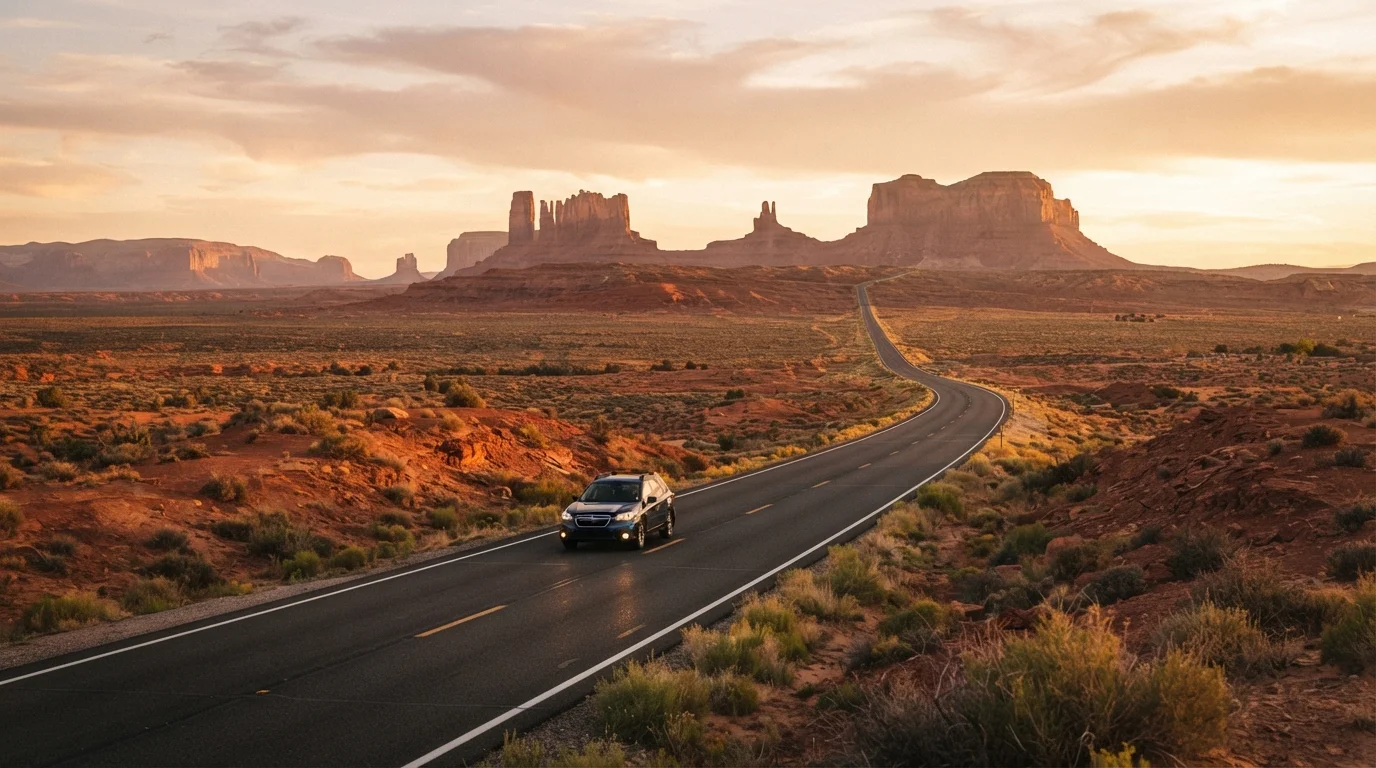
Photo credit: InsightsGrove.com | Discover Joy In Reading
In this article
National parks, desert landscapes, and small-town stops make the Southwest one of the most rewarding and affordable road trip routes in the US. Here's how to plan it.
Key Takeaways
- The America the Beautiful annual pass covers entry to over 2,000 federal lands, paying for itself in two or three park visits.
- Free and low-cost dispersed camping on Bureau of Land Management land is legal across much of the Southwest.
- Shoulder season — April through May and September through October — offers lower costs and more manageable crowds.
- Grocery resupply in larger towns, rather than buying food at gateway tourist stops, can meaningfully reduce daily spend.
- Underrated towns like Moab's quieter alternatives, Flagstaff, and Truth or Consequences deliver real value with far less congestion.
Why the Southwest Works for Budget Road Trippers
Few road trip corridors in the United States deliver as much visual reward per dollar spent as the American Southwest. The core draw is structural: a vast network of national parks, monuments, and Bureau of Land Management (BLM) land means that the most spectacular scenery in the country is largely publicly owned — and therefore either free or low-cost to access.
Unlike city-based travel, a Southwest road trip naturally compresses your biggest expense categories. You're spending on gas, groceries, and a modest place to sleep — not on museum entry fees, restaurant markups, or urban hotel rates. For budget-conscious travelers who are comfortable spending time outdoors, the math tilts firmly in their favor. See our end-to-end guide to affordable travel planning for a broader framework before you start booking.
$80
America the Beautiful Annual Pass cost
Covers entry to over 2,000 federal recreational sites; pricing listed on the official USGS store and nps.gov.
245M+
Acres of BLM land in the Southwest
Bureau of Land Management administers vast tracts across Utah, Arizona, Nevada, and New Mexico where dispersed camping is generally free.
10–14 days
Recommended trip length for a full Southwest loop
Based on typical route mileage of 900–1,100 miles between major park anchor points.
Core Route Options and Realistic Mileage
Most Southwest road trips anchor around one of two spines. The first runs roughly from Las Vegas through Zion, Bryce Canyon, Capitol Reef, Canyonlands, and Arches before looping south through Monument Valley and the Grand Canyon's South Rim — approximately 900 to 1,100 miles depending on detours. The second, more southern corridor connects Albuquerque and Santa Fe east to Carlsbad Caverns, west through White Sands, and up through Sedona and Flagstaff toward the Grand Canyon.
Either route is completable in 10 to 14 days at a relaxed pace. Attempting either in under a week means windshield time dominates over actual exploration, which undercuts the value proposition entirely. Factor roughly 250 to 300 miles per driving day as a comfortable ceiling if you want meaningful stops. Note that desert driving in summer months means genuine heat risk — carry water, check coolant levels, and verify your vehicle's condition before departure.
Download the free Motor Vehicle Use Maps for each BLM field office before you leave cell range — they show exactly which roads allow camping and which are restricted, saving you from a wasted detour.
BLM land rules vary by field office district, and what's permitted in one area may not be in the next. Having the maps offline eliminates guesswork and keeps you compliant.
Plan your grocery resupply stops before you leave, not when you're already hungry and pulling into a gateway tourist town — that's where a $6 bag of chips happens.
Price differentials between regional grocery stores and park-adjacent convenience shops are consistently significant, and impulsive purchases in high-traffic areas compound quickly over a two-week trip.
Underrated Stops Worth Building Around
The marquee parks — Grand Canyon, Zion, Arches — deserve their reputations, but they also carry peak-season crowds and gateway-town price inflation. Layering in less-trafficked alternatives changes the character of the trip and reduces your daily spend.
- Flagstaff, Arizona: A real college town with genuine restaurants, walkable neighborhoods, and proximity to the Grand Canyon, Sedona, and Wupatki National Monument. Hotel and food costs run noticeably lower than in Sedona proper.
- Truth or Consequences, New Mexico: A small hot-spring town on the Rio Grande with cheap soaking facilities and a growing arts scene. It's an honest alternative to pricier Santa Fe for a night or two.
- Capitol Reef National Park, Utah: Consistently less crowded than Arches or Zion, with free fruit-picking from historic orchards in season and genuinely uncrowded canyon hikes.
- Aztec Ruins National Monument, New Mexico: A well-preserved Ancestral Puebloan great house with a reconstructed great kiva. Entry is covered by the America the Beautiful pass and draws a fraction of Mesa Verde's visitors.
For more ideas along these lines, the underrated US cities guide covers affordable domestic destinations beyond the obvious choices.
Cutting Accommodation Costs Without Sacrificing Sleep
Accommodation is where Southwest road trips diverge most sharply from other travel styles. Three legitimate options keep costs low:
- Dispersed BLM camping: On most BLM land — which covers enormous stretches of the Southwest — camping is free with no permit required, typically limited to 14 consecutive days in one spot. Cell coverage is often minimal, so download offline maps before leaving pavement.
- National forest campgrounds: Developed sites in national forests (distinct from national parks) typically run $10–$25 per night and rarely fill as quickly as park campgrounds. The Coconino National Forest near Flagstaff and the Dixie National Forest near Bryce Canyon are practical examples.
- Reservation campgrounds inside parks: Sites at Watchman Campground (Zion) or Moab-area campgrounds book out weeks or months ahead in peak season. Reserve early or plan for nearby BLM alternatives.
Book Campgrounds at Least 6 Months Out
Recreation.gov opens reservations for most national park campgrounds six months in advance, and popular sites — Watchman at Zion, Fruita at Capitol Reef — fill within hours of becoming available. Set a calendar alert for exactly six months before your target arrival date. If you miss the window, check for cancellations in the two-week window before your trip, which is when they tend to appear.
Budget motels in mid-sized towns — Flagstaff, Moab, Kanab, Gallup — are worth one or two nights when a hot shower and laundry access reset your energy for another stretch of outdoor camping.
Fuel, Food, and Fees: Managing the Daily Spend
Gas is unavoidable, but a few habits keep the fuel budget predictable. Fill up in larger towns rather than gateway tourist hubs — prices at the entrance to a major park can run 20–40 cents per gallon higher than in the nearest regional city. Apps that aggregate station prices by location help identify the gap before you need to stop.
Food costs respond most directly to discipline at the grocery store. Resupply in Flagstaff, St. George, Moab, or Albuquerque rather than at convenience stores or tourist-oriented markets near park entrances. A cooler with basic ingredients — eggs, tortillas, canned beans, fruit, cheese — covers most meals at a fraction of restaurant pricing.
Verify Entry Fees Before You Arrive
Federal recreational pass prices and individual park entry fees are subject to change. Do not rely on informal sources or blog posts (including this one) for current pricing — check nps.gov directly before purchasing a pass or budgeting for park entry. The difference between an outdated figure and the current price can affect whether the annual pass pays off for your specific itinerary.
The single highest-leverage purchase for most Southwest itineraries is the America the Beautiful Annual Pass ($80 as of the most recent publicly listed price). It covers entrance fees at all national parks and federal recreational areas for 12 months. Two or three park visits typically recover the cost entirely. Confirm current pricing and coverage at the official USGS store or nps.gov before purchasing.
For a comparable look at how budget trade-offs work on international trips, the Europe budget travel breakdown is a useful reference point.
Timing Your Trip to Avoid Peak Pricing
Summer — particularly July and August — brings the Southwest's highest temperatures alongside its busiest campgrounds and most expensive lodging. Shoulder seasons deliver a meaningfully different experience on both fronts.
April–May offers mild temperatures, wildflower blooms at higher elevations, and campground availability that doesn't require booking months ahead. September–October is often cited as the optimal window: summer crowds thin, temperatures drop to comfortable hiking range, and accommodation pricing softens.
Winter travel is possible in the lower-elevation desert areas — White Sands, Big Bend, Saguaro — but higher-elevation parks like Bryce Canyon and Zion can see road closures and icy conditions. If you're flexible on timing, the off-season travel trade-offs guide lays out an honest framework for deciding whether the savings are worth the compromises for your specific itinerary.
Before finalizing any trip, run through the pre-departure planning checklist to catch anything that could become an expensive problem once you're on the road.
This article provides general travel information for educational purposes. Prices, pass fees, campground availability, and road conditions change — always verify current details with official government sources (nps.gov, blm.gov) and your vehicle's service records before departure.

Author
Travel Smarter Editorial Team
Travel Smarter Editorial Team is the collective byline for our editorial team and contributor network. Articles published under this byline or an editorial pen name are researched, written, and reviewed according to our editorial standards for clarity, consistency, and independence before publication.
View all articles →