
Online vs. In-Store Shopping: A Practical Comparison for Everyday Buyers
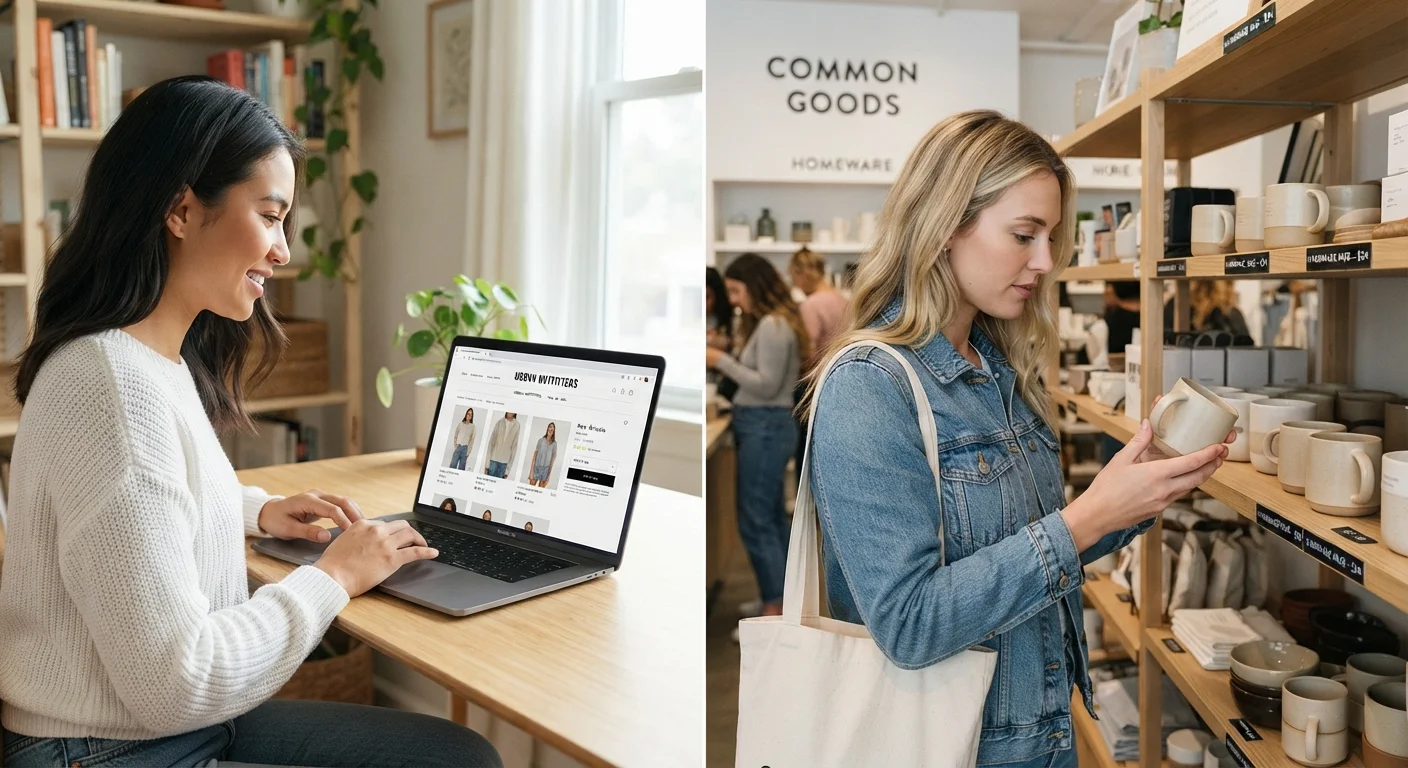
Photo credit: InsightsGrove.com | Discover Joy In Reading
In this article
Each channel has genuine advantages and hidden costs. A balanced comparison to help you decide where to buy based on the product and situation.
Key Takeaways
- Online shopping often offers lower prices, but shipping fees and return friction can erode those savings.
- In-store shopping lets you evaluate products hands-on, which matters most for fit, texture, and size-sensitive items.
- Neither channel is universally better — the right choice depends on the product category and your priorities.
- Hidden costs exist in both channels: impulse purchases in-store, and subscription traps or delivery fees online.
- Combining both channels strategically — researching online, buying in-store or vice versa — often yields the best outcome.
The Real Cost Comparison: Price Tags Aren't the Whole Story
Sticker price is only one variable in a purchase decision. Online shopping often shows lower base prices due to lower overhead for retailers, but those savings can disappear quickly. Shipping costs, especially for heavy or bulky items, can add $10–$30 or more per order. Return shipping — if a product doesn't work out — adds further cost and hassle. Some online purchases also arrive damaged or differ from listing photos, requiring dispute processes that take time you may not have.
In-store purchases eliminate delivery fees and let you leave with a product immediately. But physical stores have their own cost mechanisms. Research consistently shows that in-store environments generate higher impulse spending — end-cap displays, checkout aisles, and time pressure all nudge buyers toward unplanned purchases. To understand how deliberately these tactics are designed, see our piece on how retailers use store layout to influence what you buy.
| Factor | Online | In-Store | |
|---|---|---|---|
| Base price | Often lower due to lower overhead | Often higher; less price transparency | |
| Additional costs | Shipping, return shipping fees | Travel cost, impulse purchases | |
| Product evaluation | Relies on descriptions and reviews | Hands-on, tactile assessment possible | |
| Return process | Can be slow; may require shipping | Typically faster; drop off in person | |
| Immediacy | Days to a week for delivery | Take it home immediately | |
| Impulse spending risk | Lower; easier to pause and compare | Higher; environmental pressure to buy | |
| Best product types | Electronics, media, standard goods | Apparel, furniture, perishables |
When Online Shopping Has a Clear Advantage
Online shopping performs strongest for products that are standardized, easily described, and widely reviewed. Electronics with model numbers, books, software, and name-brand consumables are categories where price comparison tools and user reviews give shoppers reliable signal. You can cross-check specifications across multiple sources in minutes — something physically impossible in a store.
Price transparency is another genuine advantage. Browser extensions that track price history allow shoppers to verify whether a listed price is genuinely lower than it was last month. This matters because promotional framing isn't always honest — before trusting any sale claim, it's worth reviewing how to evaluate whether a promotion genuinely benefits you.
Check Price History Before You Buy Online
A listed sale price online isn't always a genuine discount. Free browser tools can show you a product's price history over the past 90–180 days. If the current price matches the typical price, the 'sale' framing is misleading. Spending two minutes on this check before checkout is one of the highest-return habits a regular online shopper can build.
Online also wins for accessibility — rural shoppers, those with mobility limitations, or anyone with limited store hours nearby gain real value from delivery options that in-store simply can't match.
When In-Store Shopping Holds the Edge
In-store remains the stronger choice when physical evaluation is non-negotiable. Clothing and footwear fit varies significantly across brands, and sizing inconsistency means online returns are common — one study estimated return rates for online apparel at roughly 25–40%, compared to under 10% in-store. Mattresses, furniture, and appliances benefit from hands-on assessment of texture, weight, and build quality.
Immediacy also has real value. If you need a product today — for a repair, a gift, or a time-sensitive need — paying a small premium at a physical store is often the rational choice versus waiting multiple days for delivery.
In-Store Time Pressure Can Cost You
Physical retail environments are designed to create a sense of urgency — limited stock signs, crowded aisles, and sales associates hovering can all push you toward a faster decision than you'd make at home. If you feel pressured in a store, it's always acceptable to leave, research further, and return. A purchase made under pressure is rarely a purchase you'll feel confident about.
In-store also supports better dialogue for complex purchases. A knowledgeable sales associate can clarify compatibility, warranty terms, and return policies face-to-face — though it's worth arriving with your own criteria defined first. Our guide on building your own evaluation criteria before shopping explains how to do that effectively.
The Hybrid Approach: Using Both Channels Deliberately
Many experienced shoppers combine channels strategically. "Showrooming" — examining a product in-store, then purchasing online at a lower price — is a documented behavior that retailers actively work to counter. The reverse, "webrooming" — researching online, then buying in-store to avoid shipping delays or return risk — is equally common and often just as rational.
Before any significant purchase, running through a structured pre-purchase checklist helps prevent both channel-specific pitfalls. The Smart Shopper's Pre-Purchase Checklist covers the key questions to ask regardless of where you end up buying.
Understanding which channel fits which product category — rather than defaulting to habit — is the core skill. For a broader framework on researching products objectively before spending, the Product Research hub covers evaluation methods that apply across both shopping environments.
This article provides general consumer information for educational purposes and does not constitute financial or purchasing advice tailored to your individual circumstances.

Author
Smart Spending Editorial Team
Smart Spending Editorial Team is the collective byline for our editorial team and contributor network. Articles published under this byline or an editorial pen name are researched, written, and reviewed according to our editorial standards for clarity, consistency, and independence before publication.
View all articles →