
How Retailers Use Store Layout to Influence What You Buy
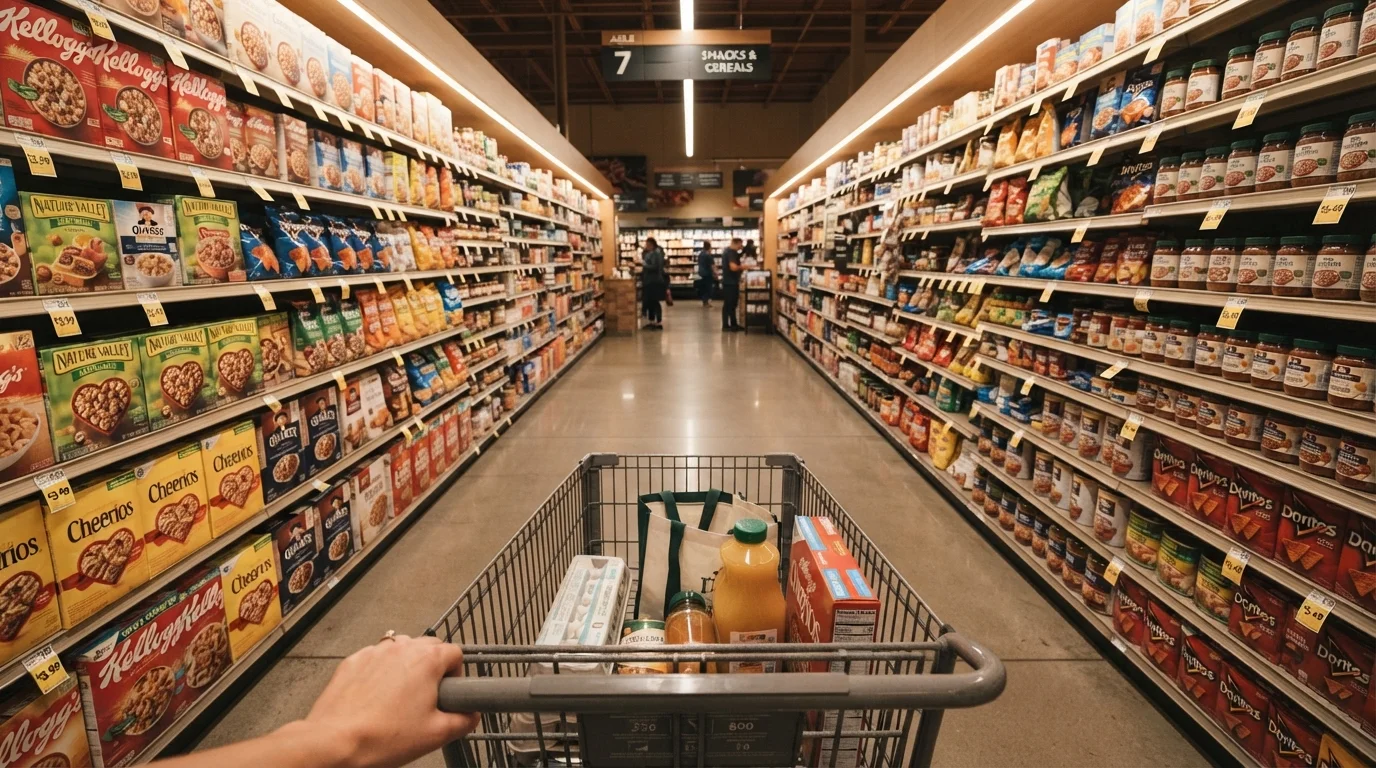
Photo credit: InsightsGrove.com | Discover Joy In Reading
In this article
End caps, eye-level placement, and the path through the store are all deliberate. Understanding these tactics helps you shop on your own terms.
Key Takeaways
- Essentials like milk and eggs are placed at the back of the store to force you past high-margin items.
- Products at eye level sell significantly more than items placed on lower or higher shelves.
- End caps — the displays at the end of each aisle — are premium real estate, not random stocking decisions.
- Shopping with a list and a rough floor plan reduces unplanned purchases.
- Slowing down and shopping the perimeter first can help you avoid high-margin center-aisle temptations.
The Store Is a System Built Around Your Behavior
When you walk into a grocery store or big-box retailer, nothing about the layout is accidental. The path you follow, the items you see first, and the products that catch your eye at arm's reach are the result of deliberate planning informed by decades of consumer behavior research.
Retailers aren't guessing. They track foot traffic patterns, test shelf arrangements, and invest significantly in understanding how physical space shapes purchasing decisions. The goal is straightforward: maximize revenue per square foot by matching products to moments of attention.
Understanding this system doesn't mean you need to resist shopping entirely — it means you can recognize the mental triggers retailers exploit before they pull money from your pocket.
68%
Share of retail purchases that are unplanned
Research from the Point of Purchase Advertising Institute found that the majority of purchasing decisions are made in-store rather than prior to shopping.
Eye level = buy level
Industry principle for shelf placement
Products placed at eye level have been shown in multiple retail studies to significantly outsell those on lower or higher shelves, driving manufacturer shelf-placement fees.
Slower music → more spending
Effect of background tempo on purchase behavior
A widely cited study by Milliman found shoppers spent more time in stores and made larger purchases when slower background music was played compared to faster tempos.
Five Layout Tactics Retailers Use Consistently
1. The Long Walk to Essentials
High-demand staples — dairy, bread, produce, eggs — are almost always positioned at the back or far corners of a store. To reach them, you pass through entire categories of discretionary products. That extended exposure increases the probability of unplanned additions to your cart.
2. Eye-Level Shelf Placement
Shelves between roughly waist and eye level receive the most visual attention and the most sales. Retailers and manufacturers know this, which is why premium and higher-margin products tend to occupy that prime real estate. Value alternatives and store brands are often placed lower, requiring a deliberate effort to find them.
3. End Caps as Implied Deals
The display at the end of each aisle — the end cap — gets more foot traffic than mid-aisle shelving. Products placed there often carry a visual implication of being on sale or specially featured. In many cases, the price is identical to what's in the regular aisle. Always check the unit price before assuming end-cap placement signals a better deal. This connects directly to how psychological pricing tactics are embedded in everyday retail.
4. The Decompression Zone
The first several feet inside a store entrance — sometimes called the decompression zone — are intentionally uncluttered. This gives your eyes time to adjust and signals a transition into a browsing mindset, making you more receptive to what comes next.
5. Sensory Cues
Bakery smells near the entrance, bright lighting over produce, and slow-tempo background music are all designed to slow you down and make the environment feel pleasant. Research in retail atmospherics consistently links relaxed, positive moods with higher average spend.
Check the Bottom Shelf Before Deciding
When comparing products, take five seconds to scan the full height of the shelf — not just what's at eye level. Store-brand and value alternatives are frequently placed low on purpose. Checking the unit price (price per ounce or per unit, usually printed on the shelf label) is the fastest, most reliable way to make an apples-to-apples comparison.
How to Shop on Your Own Terms
Awareness is the first lever. Once you recognize that eye-level products, end caps, and store layouts are structured selling tools rather than neutral choices, you can engage with them critically rather than automatically.
A few habits that consistently help:
- Shop with a written list. Specificity matters — 'bread' is vaguer than 'whole wheat sandwich bread, store brand.' A detailed list reduces the mental space available for impulse decisions.
- Check top and bottom shelves. Store-brand and value options are frequently shelved outside eye level. A quick scan of the full shelf range takes seconds and can save a meaningful amount per item.
- Verify end-cap prices. Walk down the corresponding aisle and compare unit prices before assuming a display means a discount.
- Avoid shopping while hungry or distracted. Both states lower your resistance to unplanned purchases — this is well-established in consumer behavior research.
For a broader framework on making every purchase decision more deliberate, the smarter shopper's approach to evaluating promotions applies the same critical lens to deals and discounts.
Building Long-Term Shopping Habits That Stick
Understanding layout tactics is useful, but the bigger win comes from building consistent habits so you don't have to make real-time decisions every time you enter a store. When your default behavior is list-first, perimeter-first, and price-per-unit aware, individual retailer tactics have less room to work.
Retail environments are designed to exploit attention and spontaneity. Systematic habits — not willpower — are the reliable counterforce. For more on how intentional shopping habits compound into real financial results, see the principles of sustainable smart shopping.
The product research hub also offers frameworks for evaluating any purchase objectively before you commit — useful whether you're in-store or online.
“The store is a selling machine. Every element — lighting, music, layout — is calibrated to keep you in a receptive state longer and move you past more merchandise.”
— Paco Underhill, Retail consultant and author of 'Why We Buy: The Science of Shopping'
Frequently Asked Questions

Author
Smart Spending Editorial Team
Smart Spending Editorial Team is the collective byline for our editorial team and contributor network. Articles published under this byline or an editorial pen name are researched, written, and reviewed according to our editorial standards for clarity, consistency, and independence before publication.
View all articles →