
The Shelf Life of Product Research: When to Re-Evaluate What You Think You Know
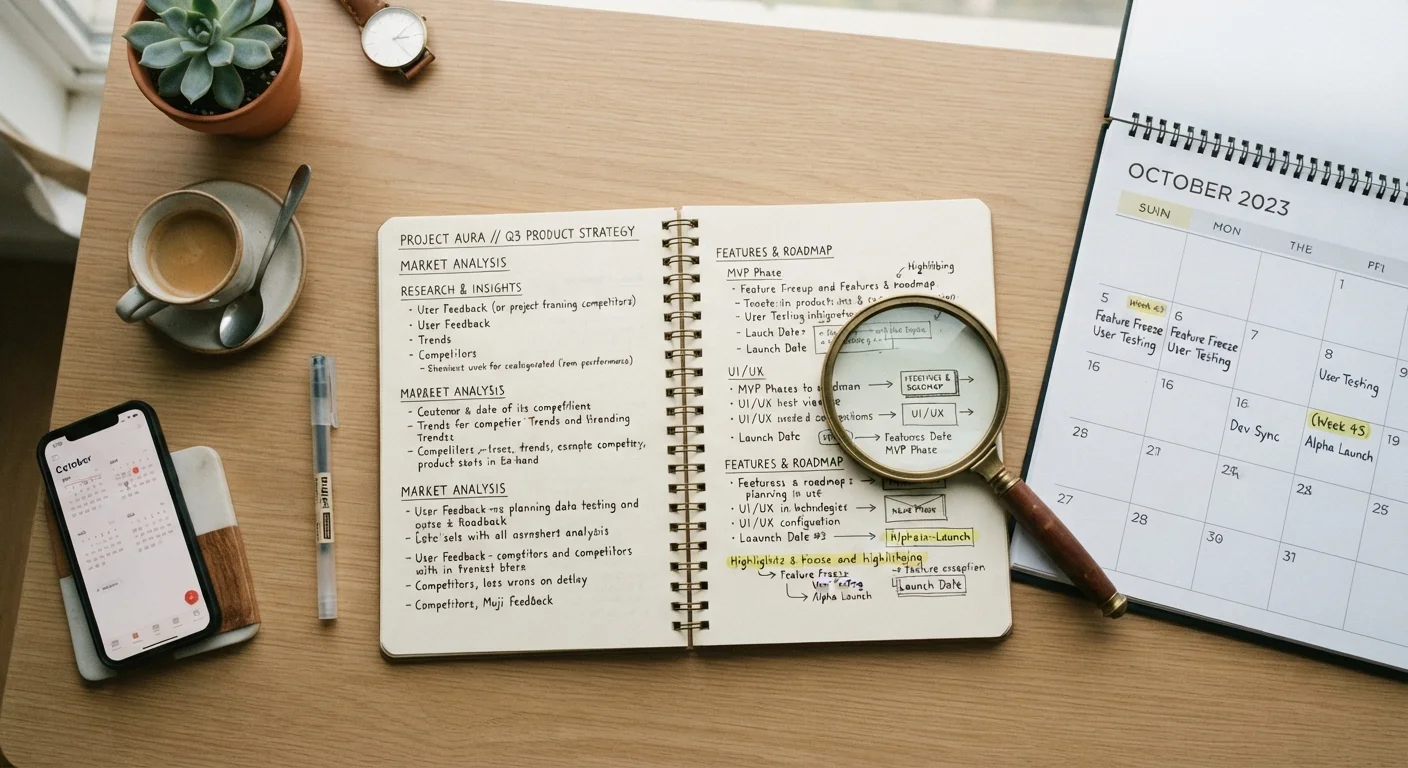
Photo credit: InsightsGrove.com | Discover Joy In Reading
In this article
Markets change, new models launch, and old recommendations age out. Learn how to keep your product knowledge current without starting over.
Key Takeaways
- Product research can become outdated within months as new models and pricing shifts emerge.
- Certain product categories age faster than others and require more frequent re-evaluation.
- You don't need to start from scratch - targeted spot-checks can refresh existing knowledge efficiently.
- Tracking why you made a past decision makes future updates faster and more accurate.
- A structured re-evaluation habit saves money and prevents buying into obsolete recommendations.
Why Your Research Has an Expiration Date
You spent two hours researching a purchase six months ago. You felt confident. But markets move - manufacturers update specs, pricing shifts, new entrants disrupt categories, and the consensus around a product can flip. That research you filed away? It may be working against you now.
The core problem is that most shoppers treat product knowledge as permanent once acquired. It isn't. Think of it like a carton of milk: still good for a while, but you need to check before you use it. The question isn't whether your research will expire - it's when, and whether you'll catch it in time.
This is especially true for electronics, appliances, and any category where annual model cycles are standard. But even slower-moving categories like furniture or cookware aren't immune - materials sourcing changes, quality control shifts, and the competitive landscape evolves. See the category buyer guides for a sense of how quickly different product types tend to shift.
This Is General Shopping Guidance
The timelines and frameworks in this article are general heuristics, not guarantees. Product market dynamics vary significantly by category, geography, and economic conditions. Use these as starting points for your own judgment, not rigid rules.
How to Know When Your Research Needs Refreshing
Not all research decays at the same rate. A useful mental framework is to assign a rough "shelf life" based on the category and the nature of your original research.
12-18 months
Typical consumer electronics product cycle
Most major electronics manufacturers release updated models on annual or semi-annual cycles, meaning research older than this may reference a discontinued generation.
~40%
Price variance within a single product year
Consumer pricing data from tracking tools commonly shows products varying by 30-50% over a 12-month period, making point-in-time price research unreliable as a standalone data point.
- Tech and electronics: Re-evaluate after 3-6 months. Annual product cycles mean last year's pick may now be a generation behind or overpriced relative to newer alternatives.
- Appliances and home goods: 6-12 months is a reasonable window before spot-checking pricing and model updates.
- Commodity goods (cables, storage, consumables): Re-check before any purchase. These categories are highly volatile on price.
- Furniture, cookware, clothing: 12-18 months, or when you see significant design changes or news of manufacturing shifts.
Beyond category, also flag your research for review when: a new model is officially announced, you see a meaningful price deviation from what you recorded, or your personal requirements change. Your needs are part of the research - if your situation shifts, so does the validity of your conclusions. The evaluation criteria guide explains how to anchor research to your actual priorities rather than market hype.
Best Practices for Keeping Research Current
Efficient re-evaluation isn't about repeating all your original work - it's about knowing exactly which elements to re-check and which remain stable.
Record the date and key reasoning behind every purchase decision you research.
Without a timestamp and rationale, you can't assess how stale your conclusions are. Knowing why you reached a verdict tells you exactly which assumptions to re-test when the market moves.
Identify the two or three factors that would most change your conclusion, and check those first.
Re-evaluating everything wastes time. Most conclusions hinge on a small number of variables - usually price, a key spec, or a major competitor. Focusing there keeps updates fast and targeted.
Subscribe to manufacturer release calendars or reliable trade publications for categories you buy frequently.
Being aware of upcoming model releases before they happen lets you time purchases intentionally rather than accidentally buying into an outgoing generation.
Cross-reference user feedback posted after your original research date.
Early reviews often miss long-term reliability issues that surface only after widespread use. Post-purchase community feedback is one of the most underused data points in product research.
Flag research as 'provisional' whenever you relied heavily on a single source.
Single-source conclusions are more fragile. If that source was wrong, biased, or has since revised its position, your entire conclusion may need revisiting.
When you do need a fuller update, treat your original research as a scaffold rather than a finished product. Start with reliable source types - standards bodies, independent testing communities, and teardown sites tend to surface durability and spec changes faster than mainstream reviews.
Build the Habit Before You Need It
The biggest mistake is waiting until you're about to make a purchase to discover your research is stale. By then, time pressure works against you.
A more durable approach: treat re-evaluation as a scheduled task rather than a reactive one. Set a calendar reminder tied to your original research date. Keep a simple log - even a notes app entry - recording what you found, why you concluded what you did, and what would change your assessment. When it's time to revisit, you're updating a document, not rebuilding from zero.
For purchases you're actively planning, always run a final verification pass. The pre-purchase checklist is a practical tool for this - it forces you to confirm your research still holds before committing money. And if you're starting fresh on a category entirely, the research framework gives you a structured starting point.
“The goal of a good information system is not to answer every question - it's to tell you when your current answers are no longer good enough.”
— Daniel Levitin, Cognitive scientist and author on information organization and decision-making

Author
Savvy Shopping Editorial Team
Savvy Shopping Editorial Team is the collective byline for our editorial team and contributor network. Articles published under this byline or an editorial pen name are researched, written, and reviewed according to our editorial standards for clarity, consistency, and independence before publication.
View all articles →