
Longevity and Durability: The Specs No Manufacturer Puts on the Box
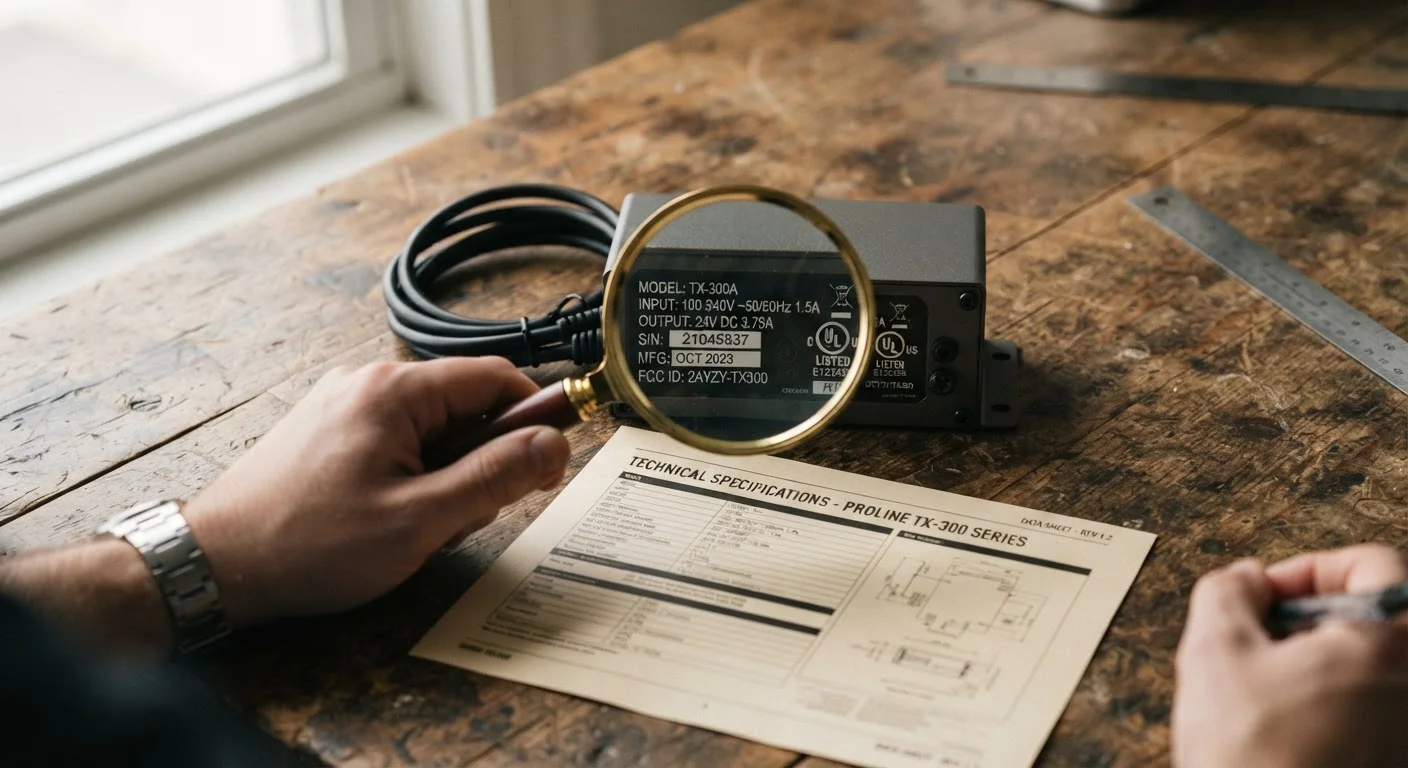
Photo credit: InsightsGrove.com | Discover Joy In Reading
In this article
Durability rarely appears in product listings, but it's one of the most important factors for value. Here's how to research it anyway.
Key Takeaways
- Durability is almost never listed on packaging but can be researched through materials, build standards, and owner reports.
- Material composition and hardware quality are more reliable durability signals than brand reputation alone.
- Warranty terms reveal how much confidence a manufacturer actually has in its own product.
- Teardown videos and long-term owner reviews surface failure points that marketing copy conceals.
- Third-party testing certifications offer verifiable, methodology-backed durability benchmarks.
Why Durability Is Invisible on Most Product Pages
Walk through any electronics aisle or scroll any product listing and you'll find processor speeds, thread counts, and lumen outputs - but almost never a projected lifespan or failure rate. That omission isn't accidental. Manufacturers control what goes on the box, and durability data can cut both ways: a strong number is a liability if the product underperforms, so most brands simply stay quiet.
The result is that shoppers are left interpreting proxies. Learning to read those proxies accurately is one of the highest-leverage research skills you can develop before making a purchase. As our guide on what product specs actually tell you explains, the numbers that appear are often chosen for marketing impact rather than real-world relevance. Durability is the gap those choices leave wide open.
Durability Research Pays Off Over Time
Spending 30 extra minutes on durability research before a $150 purchase can easily offset the cost of a premature replacement. Think of it as a per-hour return on research time. The more you build the habit, the faster the process becomes.
What to Look For Before You Start
Before researching any specific product, clarify what durability means in your use case. A laptop carried daily in a backpack faces very different stresses than one that sits on a desk. Defining your evaluation criteria first stops you from over-weighting durability features that don't apply to how you'll actually use the item.
What you will need
Once your criteria are clear, you'll be researching across three layers: materials and construction, third-party certifications, and real-world long-term data. The steps below walk through each.
How to Research Durability Independently
Identify the primary materials and their grades
Find the full material composition of the product - not just the headline material. A "stainless steel" appliance may use 430-grade steel (less corrosion-resistant) rather than 304-grade. A "leather" bag may be bonded leather, which delaminates within years. Search for the product name plus terms like "material grade," "construction details," or "what is it made of" in forum and enthusiast community results.
Check for third-party certifications and test standards
Look for certifications with defined, verifiable test methodologies. IP ratings (Ingress Protection, for water and dust resistance), MIL-STD-810 (military-grade drop and vibration testing), and UL listings all involve independent testing rather than self-reported claims. Confirm that the certification applies to the specific model you're considering - certifications are sometimes carried over in marketing from older models.
Search for teardown and repair analysis content
Teardown videos and repair-index assessments - published by independent technicians and repair-focused communities - reveal internal build quality: whether components are glued versus screwed, whether common failure parts are replaceable, and how thermal management is handled. These sources surface durability compromises invisible from the outside of a product.
Read long-term owner reviews, filtered by time
Filter reviews by the most recent date range and look specifically for reviews from owners who have had the product for one year or more. Short-term reviews reflect first impressions; long-term reviews surface wear patterns, hinge failures, zipper degradation, battery capacity loss, and other durability failures that only appear with use. Look for recurring failure descriptions across multiple independent reviewers rather than isolated complaints.
Evaluate the warranty as a durability signal
A manufacturer's warranty length and coverage scope reflect its internal confidence in the product's failure rate. Compare the stated warranty against the category norm: a one-year warranty on a product category where two years is standard suggests lower expected longevity. Read the exclusion clauses carefully - what's excluded often maps directly to known weak points in the product's design.
After working through these steps, cross-reference what you find against warranty language. Warranty and return policy terms often reveal exactly which failure modes a manufacturer is - and isn't - willing to stand behind, which is itself a signal about expected lifespan.
Beware of Curated "Long-Term" Reviews
Some published "long-term review" content is produced after only a few weeks of use under ideal conditions. Look for reviews that describe specific degradation events - not just general satisfaction - and prefer sources that disclose their review timeline and usage intensity explicitly.
Where the Data Actually Lives
Manufacturer spec pages are a starting point, not a finish line. The most useful durability signals tend to come from outside the brand's own communications. Owner forums organized by product category, teardown communities on video platforms, and independent testing publications all offer evidence that marketing material cannot replicate.
For a structured overview of which source types are worth your time, see our source guide for independent shoppers. Category-specific material research - such as how fabric blends affect clothing durability or which laptop specs hold up in daily use - follows the same investigative logic applied to a single product type.
No Single Signal Is Sufficient
A strong warranty doesn't guarantee durability, and a glowing teardown doesn't mean assembly quality is consistent at scale. Triangulate across at least three independent data points - materials, certification, and long-term owner data - before drawing a conclusion. Single-source durability assessments are frequently misleading.
The overarching principle: durability data exists, but it takes deliberate sourcing. Build the habit of looking for it, and you'll consistently make purchasing decisions that hold up longer than the average impulse buy.

Author
Savvy Shopping Editorial Team
Savvy Shopping Editorial Team is the collective byline for our editorial team and contributor network. Articles published under this byline or an editorial pen name are researched, written, and reviewed according to our editorial standards for clarity, consistency, and independence before publication.
View all articles →