
Protein Sources in Dog Food: What the Nutrition Panel Is Really Saying
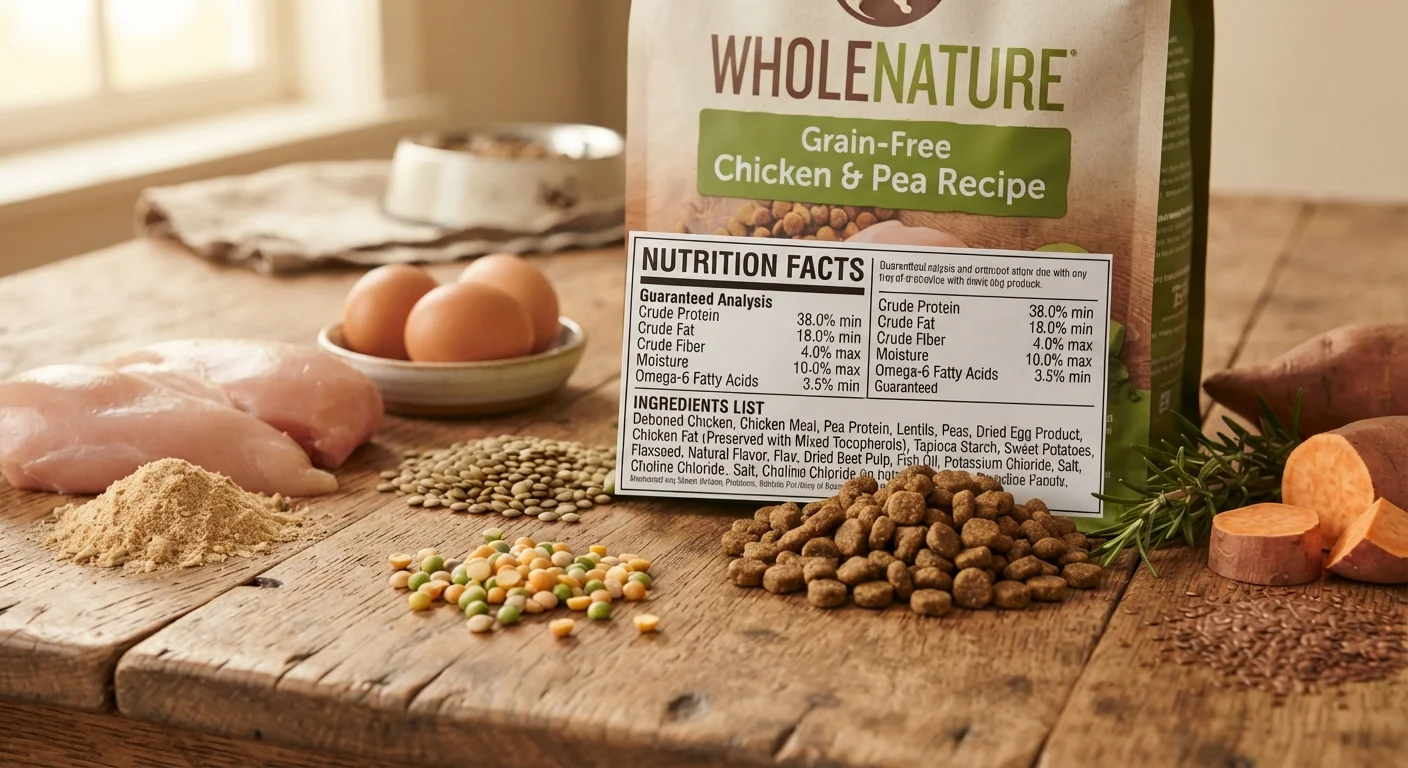
Photo credit: InsightsGrove.com | Discover Joy In Reading
In this article
Chicken meal, meat by-products, plant proteins — understand what different protein listings mean for your dog's diet.
Key Takeaways
- Named animal proteins (e.g., 'chicken,' 'salmon') indicate a specific, identifiable meat source.
- 'Meat meal' concentrates protein by removing water, so it can deliver more protein per pound than fresh meat.
- By-products are not inherently low quality - organ meats are nutrient-dense parts that many dogs thrive on.
- Plant proteins like peas and lentils contribute to the protein percentage but have a different amino acid profile than animal sources.
- Ingredient order reflects weight before processing, not necessarily nutritional contribution after cooking.
- A veterinarian or board-certified veterinary nutritionist is the best resource for tailoring protein choices to your individual dog.
How the Ingredient List Actually Works
When you flip a bag of dog food and scan the ingredient list, you're reading ingredients ranked by their weight before processing. This matters because moisture content skews the picture. Fresh chicken, for instance, is about 70% water - so while it may appear first on the list, a rendered ingredient like 'chicken meal' listed third could ultimately contribute more protein to the finished product.
The takeaway: the first ingredient isn't always the most nutritionally significant. Reading the ingredient list alongside the guaranteed analysis panel (which shows minimum crude protein percentage) gives you a more complete picture. For a deeper look at how to interpret the full label, see reading a pet food label without getting lost in the small print.
AAFCO Is the Naming Standard, Not a Quality Seal
AAFCO defines what pet food ingredient names must mean - it standardizes terminology so 'chicken meal' means the same thing on every bag. However, AAFCO does not independently test or certify individual products. Seeing an AAFCO nutritional adequacy statement means the food meets minimum nutrient profiles, either through formulation or feeding trials, not that it has passed a quality inspection.
Named Meats vs. Generic Meats: Why Specificity Matters
AAFCO standards require that single-species ingredients use the animal's name - 'chicken,' 'beef,' 'salmon.' When you see a named protein, you know the species. Generic terms like 'meat' or 'poultry' indicate a blend of species that can vary batch to batch, which may be relevant if your dog has a confirmed food sensitivity requiring consistent protein sources.
'Chicken meal,' 'lamb meal,' or 'salmon meal' are rendered products - water and fat have been removed, leaving a concentrated protein powder. These are not lower quality by definition; they are simply processed differently. A bag of food listing 'chicken meal' as the second ingredient after a minor filler may still be a high-protein product.
70%
Approximate water content of fresh chicken
This is why fresh meat listed first may contribute less protein to the final cooked product than a rendered meal ingredient listed further down.
~300%
Protein concentration increase in meal vs. fresh meat
Rendering removes moisture and fat, resulting in a product with significantly higher protein density by weight than its fresh-meat equivalent.
10+
Essential amino acids dogs require
Dogs cannot synthesize these amino acids in sufficient quantities themselves; they must obtain them through diet, making protein source quality and variety important.
By-Products: What the Label Is Actually Describing
Few terms on a dog food label provoke more concern than 'meat by-products' or 'poultry by-products meal.' Under AAFCO definitions, by-products are the non-rendered clean parts of slaughtered animals - organs like liver, spleen, lungs, and kidneys - that are not the muscle meat typically consumed by humans. Hair, horns, hooves, and feathers are explicitly excluded.
Organs are nutrient-dense. Liver, for example, is rich in vitamin A, B vitamins, and iron. Many dogs thrive on diets that include by-products. The more meaningful question is whether the by-product is named (e.g., 'chicken by-product meal') or generic - named sources offer more consistency.
“Organ meats are among the most nutrient-dense foods available to dogs. The stigma around by-products often comes from their unfamiliar names, not from evidence that they're inferior protein sources.”
— A board-certified veterinary nutritionist, Veterinary Nutritionist (paraphrased from publicly available guidance on pet nutrition)
Plant Proteins and What They Contribute
Peas, lentils, chickpeas, and soy are increasingly common in dog food, particularly in grain-free formulas. These ingredients contribute to the crude protein percentage on the guaranteed analysis panel, but their amino acid profiles differ from animal sources. Dogs require specific amino acids - taurine and L-carnitine among them - that are typically abundant in animal tissue but less so in plants.
This doesn't mean plant proteins are harmful, but a diet relying heavily on them needs careful formulation to meet AAFCO profiles. The FDA has been investigating a potential link between grain-free, legume-heavy diets and a form of heart disease called dilated cardiomyopathy (DCM) in dogs. Research is ongoing and no definitive causal relationship has been confirmed as of this writing - but it's worth discussing with your veterinarian, especially for breeds with known cardiac predispositions.
For dogs at different life stages, protein needs also shift. How life stage shapes what your dog actually needs to eat explains how those requirements change from puppyhood through senior years.
Look at the Guaranteed Analysis, Not Just the Ingredient Order
The guaranteed analysis panel lists minimum crude protein and fat percentages - this tells you more about what your dog is actually consuming than ingredient rank alone. Pair it with the ingredient list to see both quantity and source. If the math still seems unclear, a veterinarian or certified pet nutritionist can help you compare options for your dog's specific needs.
This article is for general informational purposes only and is not a substitute for professional veterinary or nutritional advice. Consult a licensed veterinarian for guidance specific to your dog's health, breed, and dietary needs.
Frequently Asked Questions

Author
Pets & Care Editorial Team
Pets & Care Editorial Team is the collective byline for our editorial team and contributor network. Articles published under this byline or an editorial pen name are researched, written, and reviewed according to our editorial standards for clarity, consistency, and independence before publication.
View all articles →