
Why Portion Size Matters More Than the Food You Choose
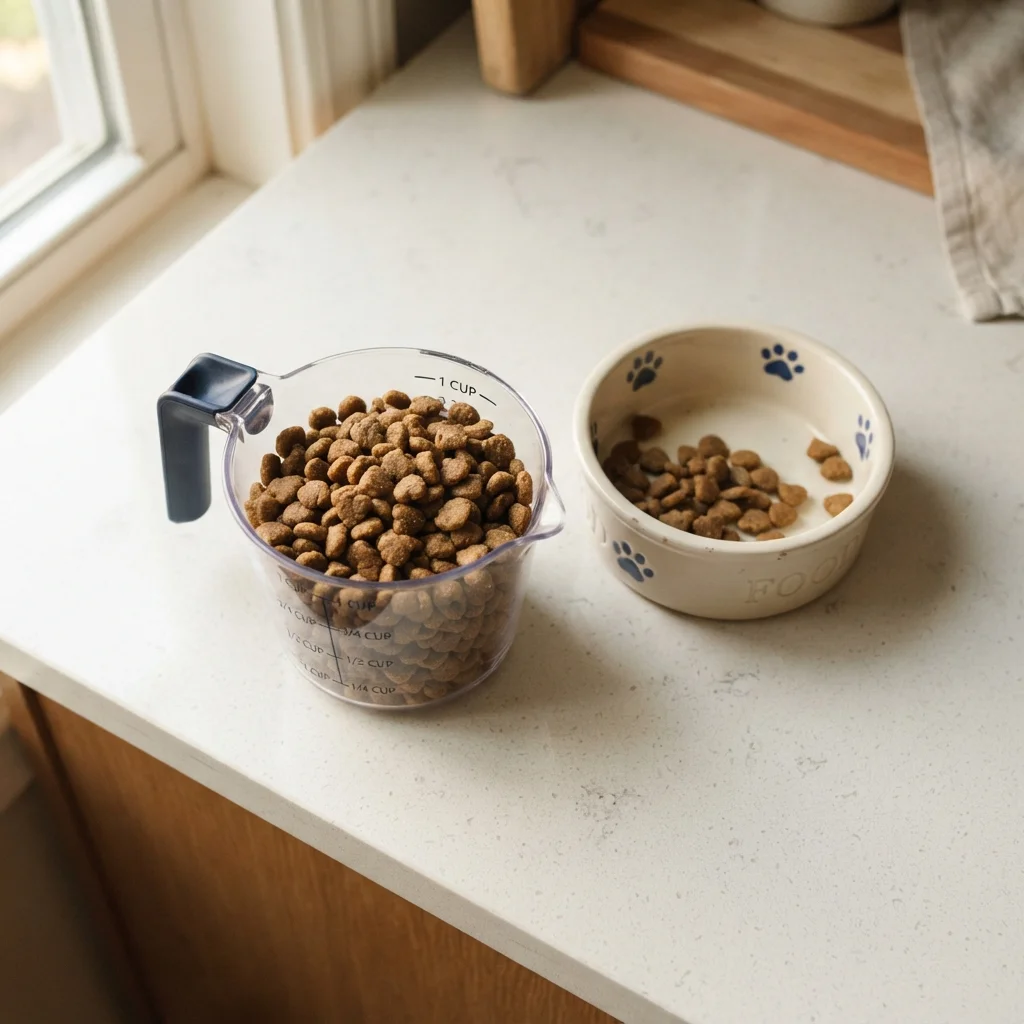
Photo credit: InsightsGrove.com | Discover Joy In Reading
In this article
Overfeeding is one of the leading drivers of pet obesity. Here's how feeding amounts affect long-term health — and how to calibrate them.
Key Takeaways
- Overfeeding - not poor food quality - is the primary driver of pet obesity in the US.
- Feeding guidelines on packaging are starting points, not universal prescriptions; individual needs vary.
- Using a measuring cup or kitchen scale consistently is more effective than eyeballing portions.
- Treats count toward daily caloric intake and should not exceed 10% of total calories.
- Body condition scoring is a reliable, free tool owners can learn to use at home.
The Real Culprit Behind Pet Weight Gain
Many owners assume that switching to a higher-quality food will solve their pet's weight problem. While nutrition quality matters, research from veterinary nutrition bodies consistently points to overfeeding as the primary cause of obesity in companion animals - not the formula inside the bag. A pet eating a well-formulated food in excess will still gain unhealthy weight over time.
According to the Association for Pet Obesity Prevention, a significant proportion of US dogs and cats are classified as overweight or obese - a condition linked to shorter lifespans, joint disease, diabetes, and respiratory difficulty. The good news is that portion control costs nothing extra and delivers measurable results. For owners navigating the pet nutrition landscape on a budget, getting the amount right is often more impactful than upgrading to a pricier formula.
“Obesity is the most common preventable disease in dogs and cats. In most cases, it's not what we're feeding - it's how much.”
— Lisa Freeman, Board-certified veterinary nutritionist and professor at a leading US veterinary school
Why Feeding Guidelines Aren't One-Size-Fits-All
The feeding recommendations printed on pet food packaging are calculated for a reference animal - typically an adult, unspayed or unneutered, with average activity levels. Your actual pet may differ substantially. Spayed and neutered animals generally have lower caloric needs, sometimes 20-30% lower than intact animals of the same size. Senior pets, less active dogs, and indoor cats typically need fewer calories still. See our article on how health needs shift in the senior years for guidance on adjusting care over time.
Caloric density also varies significantly between foods, which means a cup of one kibble may deliver far more energy than a cup of another. Learning to read a pet food label - specifically the kilocalories-per-cup figure - gives you a more precise basis for portioning than volume alone.
~60%
US cats and dogs estimated overweight or obese
According to survey data from the Association for Pet Obesity Prevention, a substantial majority of companion animals in the US carry excess body weight.
20-30%
Caloric reduction often needed after spay/neuter
Veterinary nutritionists generally estimate that spayed or neutered animals have meaningfully lower resting energy requirements than intact animals of equivalent size and age.
Best Practices for Accurate Portioning
Implementing consistent, measured feeding doesn't require expensive tools or special training. These practices reflect veterinary consensus on managing intake effectively.
Use a kitchen scale or dedicated measuring cup every single feeding.
Visual estimation is notoriously inaccurate - studies in human nutrition show that people consistently underestimate portion sizes, and the same tendency applies to pet feeding. A standard coffee mug or cereal bowl is not a measuring cup. Consistent use of an actual measuring tool removes guesswork entirely.
Account for treats and food toppers in your pet's daily caloric total.
Treats are a common source of hidden calories. Veterinary nutritionists generally recommend treats make up no more than 10% of a pet's daily caloric intake. Food toppers, broths, and table scraps add up quickly and are frequently overlooked when owners report what their pet eats.
Use a body condition score (BCS) chart to assess your pet monthly.
Body condition scoring is a nine-point scale developed by veterinary nutritionists that evaluates fat coverage over ribs, waist definition, and abdominal tuck. It gives owners a consistent, objective way to notice weight creep before it becomes a clinical problem. Most veterinary schools and professional associations publish free illustrated guides.
Divide daily food into two or more meals rather than free-feeding.
Free-feeding - leaving food out all day - makes it nearly impossible to track intake accurately and can encourage overconsumption, particularly in multi-pet households. Scheduled meals help owners monitor appetite changes, which can be an early indicator of health issues.
Adjust portions based on life stage and activity level, not just body weight.
Caloric needs are dynamic. A puppy, an adult dog, and a senior dog of identical weight have meaningfully different energy requirements. High-activity dogs may need significantly more than sedentary dogs of the same size. Revisiting portion amounts at least twice a year keeps feeding aligned with your pet's current physiology.
Getting Started: Quick Wins You Can Apply Today
If you're not sure where to begin, these immediate actions can help you recalibrate your pet's portions without disrupting their routine too much. Pair these steps with a balanced feeding routine for sustained results.
This article provides general information for educational purposes and is not a substitute for veterinary advice. Always consult a licensed veterinarian before making significant changes to your pet's diet, especially if your pet has a health condition.

Author
Pets & Care Editorial Team
Pets & Care Editorial Team is the collective byline for our editorial team and contributor network. Articles published under this byline or an editorial pen name are researched, written, and reviewed according to our editorial standards for clarity, consistency, and independence before publication.
View all articles →