
Keeping Vet Costs Down Without Cutting Corners on Care
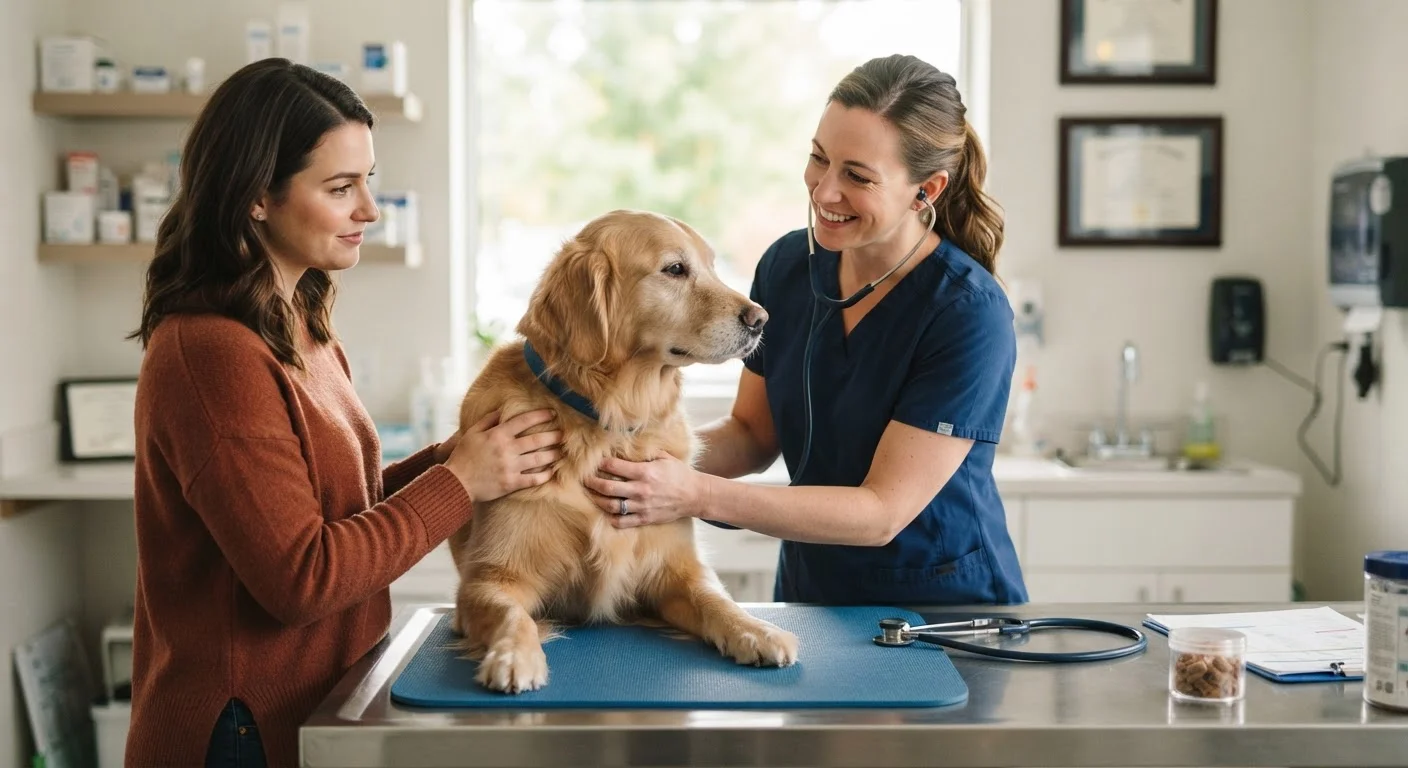
Photo credit: InsightsGrove.com | Discover Joy In Reading
In this article
Preventive care, low-cost clinics, and knowing which services are optional can all reduce bills. Here's a grounded look at your options.
Key Takeaways
- Preventive care - vaccines, dental cleanings, parasite control - typically costs far less than treating the conditions they prevent.
- Low-cost clinics, veterinary schools, and nonprofit spay/neuter programs can reduce bills without compromising quality.
- Asking your vet which services are truly essential versus optional at each visit can help you prioritize spending.
- A dedicated savings fund or pet insurance plan can prevent a single emergency from becoming a financial crisis.
- Daily at-home monitoring helps catch issues early, when they're usually cheaper and easier to treat.
Why Managing Vet Costs Starts with a Plan
For budget-conscious pet owners, vet bills can feel unpredictable - and that unpredictability is often what leads people to delay care until a small problem becomes an expensive one. The good news is that most of the strategies that keep costs down are also the ones that keep pets healthiest. It's rarely a trade-off between saving money and doing right by your animal.
The tips below are drawn from established veterinary guidance and practical financial thinking. They won't eliminate every bill, but they can help you spend more intentionally. As a starting point, it's worth understanding what a standard wellness visit actually includes - our overview of annual vet visits explains exactly what vets assess and why each step matters.
Lean heavily on preventive care
Core preventive services - vaccinations, annual wellness exams, flea and tick prevention, and heartworm testing - exist precisely because treating the diseases they prevent is far more expensive. A heartworm treatment protocol, for example, costs significantly more than a year's worth of monthly preventive medication. The same logic applies to dental disease: professional cleanings under anesthesia are costly, but they're typically less expensive than treating advanced periodontal infection or tooth extractions.
Skipping preventive care to save money in the short term tends to produce larger bills later. Our article on the hidden costs of skipping preventive care walks through this pattern in detail.
Treating a preventable disease almost always costs more than preventing it in the first place.
Ask which services are truly necessary at each visit
Veterinary practices vary in what they recommend at routine visits, and not every add-on service is equally urgent for every pet. It's completely appropriate to ask your vet: "Which of these is medically necessary right now, and which can wait?" A good vet will help you prioritize based on your pet's age, health status, and risk factors - not a one-size-fits-all checklist.
This isn't about refusing care. It's about having an informed conversation so you can focus your spending where it matters most. If budget is a concern, say so directly - many vets can suggest a phased approach that doesn't leave critical needs unmet.
Asking your vet to help you prioritize is not refusing care - it's making informed decisions.
Explore low-cost and nonprofit clinic options
Many communities have low-cost veterinary clinics operated by nonprofits, humane societies, or local government programs. These typically offer vaccinations, spay/neuter procedures, and basic wellness services at reduced rates. Veterinary schools are another underused resource - supervised students provide services at a fraction of standard clinic prices, with faculty oversight ensuring quality.
These options aren't a substitute for a full-service vet relationship, especially for complex or chronic conditions. But for routine preventive care, they can make a meaningful difference in annual costs without compromising the quality of care your pet receives.
Veterinary schools and nonprofit clinics can provide quality routine care at significantly lower prices.
Know which symptoms need urgent attention - and which don't
Emergency and after-hours veterinary visits carry substantial premium fees. Understanding which symptoms genuinely require immediate care versus which can be safely monitored until a standard appointment helps you avoid unnecessary emergency bills. Difficulty breathing, suspected poisoning, prolonged seizures, or uncontrolled bleeding demand immediate attention. Mild limping without swelling, a single episode of vomiting in an otherwise alert pet, or minor scratches often don't.
Our guide on when a vet trip can wait provides a more detailed breakdown. When in doubt, calling your vet's after-hours line for guidance is usually free and can save you a costly unnecessary visit.
Knowing true emergencies from manageable symptoms can save hundreds in after-hours clinic fees.
Build a financial buffer before you need it
One of the most effective ways to keep vet costs from becoming a crisis is having a plan for the unexpected before it happens. Pet insurance can offset the cost of accidents and illnesses, though premiums, deductibles, and coverage limits vary considerably - it's worth reading the terms carefully. A dedicated savings account set aside specifically for pet care is another approach that gives you flexibility without monthly premiums.
Either strategy works better than neither. An unexpected diagnosis or injury can easily run into hundreds or thousands of dollars; having funds available means you can say yes to recommended treatment without facing an impossible financial choice. For a balanced look at both approaches, see our comparison of pet insurance and savings funds.
Having a financial plan before an emergency means you can focus on your pet, not the bill.
Maintain consistent at-home monitoring
Daily or weekly at-home checks are free and often catch issues before they become expensive. Run your hands along your pet's body to feel for lumps, swelling, or tenderness. Check their eyes, ears, and mouth regularly. Monitor changes in appetite, water intake, energy, or bathroom habits - these are often the earliest indicators of developing health problems.
Early-stage conditions are generally cheaper to treat than advanced ones. A skin infection caught in the first week requires far less intervention than one that's been spreading for a month. This kind of attentive care also makes your annual vet visit more productive because you'll arrive with specific observations rather than vague concerns. See building a pet care routine on a tight budget for practical guidance.
Regular at-home checks are free and consistently one of the most effective early-warning tools available.
Building Habits That Protect Your Pet and Your Budget
Reducing vet costs isn't just about finding cheaper services - it's about reducing the frequency and severity of the problems that require them. Simple daily habits, from checking your pet's coat and eyes to brushing their teeth, can surface early warning signs before they escalate. Paired with a financial cushion - whether that's pet insurance or a dedicated savings fund - you'll be in a much stronger position to respond quickly when something does go wrong.
Talk openly about budget with your vet
Most veterinarians would rather work with you on a realistic care plan than have you leave without any plan at all. If cost is a genuine concern, say so at the start of the appointment - not at the end when you're already facing a bill. Many practices can offer payment plans, staged treatment schedules, or alternative approaches that still address your pet's core needs. Transparency upfront leads to better outcomes for everyone.
This article is for general informational purposes only and does not constitute veterinary or financial advice. Always consult a licensed veterinarian for decisions about your pet's health.

Author
Pets & Care Editorial Team
Pets & Care Editorial Team is the collective byline for our editorial team and contributor network. Articles published under this byline or an editorial pen name are researched, written, and reviewed according to our editorial standards for clarity, consistency, and independence before publication.
View all articles →