
Paint vs. Peel-and-Stick Wallpaper for Renters
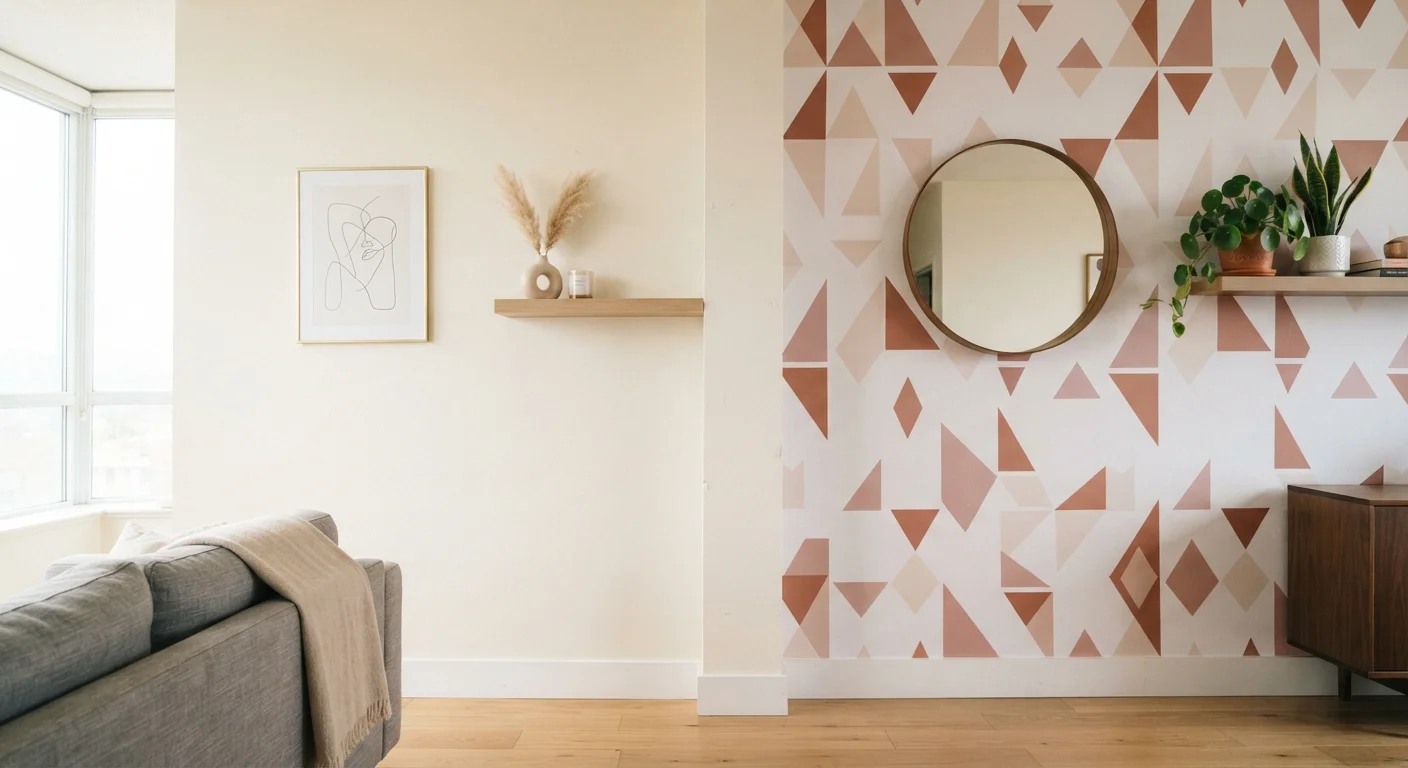
Photo credit: InsightsGrove.com | Discover Joy In Reading
In this article
Both can transform a room; neither has to damage your deposit. A side-by-side look at cost, effort, reversibility, and finish quality.
Key Takeaways
- Paint costs less per square foot but requires more prep work and careful reversal before move-out.
- Peel-and-stick wallpaper is genuinely removable on smooth, primed walls - but surface condition matters.
- Neither option guarantees deposit protection; lease terms and landlord approval are critical first steps.
- Paint delivers a longer-lasting finish; peel-and-stick suits shorter tenancies or commitment-averse renters.
- Total project cost depends heavily on room size, surface prep, and product quality chosen.
Before You Touch a Wall: Check Your Lease
Neither paint nor peel-and-stick wallpaper is automatically renter-safe. Your lease is the only document that matters here. Many standard leases prohibit painting without written landlord consent; some explicitly ban adhesive wall products. Read the clause, then ask your landlord in writing before starting any project. Getting approval on record protects you regardless of which approach you choose.
If you're already thinking about how wall choices fit into a broader renter upgrade plan, low-cost renter upgrades covers a range of deposit-safe improvements worth reviewing alongside this comparison.
| Criterion | Paint | Peel-and-Stick Wallpaper |
|---|---|---|
| Typical material cost (per sq ft) | ~$0.15-$0.35 | ~$1.50-$4.00 |
| Skill level required | Moderate | Low |
| Application time (average room) | 4-8 hours + drying | 2-4 hours |
| Reversibility | Requires repainting original color | Peels off (surface-dependent) |
| Durability | High (years) | Moderate (varies by humidity) |
| Pattern/texture options | Color only | Wide range of designs |
| Works on textured walls | Yes | Poorly - best on smooth walls |
| Lease compliance risk | Moderate (requires permission) | Lower (often lease-compliant) |
Cost, Effort, and Reversibility Compared
Paint wins on upfront cost. A gallon of standard interior latex paint covers roughly 350-400 square feet and typically runs $25-$55, depending on sheen and brand tier. Add primer, rollers, tape, and drop cloths, and a single-room project might run $60-$120 in materials. The labor, however, is real - surface prep, multiple coats, drying time, and eventual repainting to restore the original color all add hours.
Peel-and-stick wallpaper costs more per square foot - panels often range from $1.50 to $4.00 per square foot at retail - but the application process is far more forgiving. No primer, no drying time, no painting over at move-out. Removal on smooth, well-primed walls is generally clean, though textured or poorly prepared surfaces can cause adhesive to lift paint or leave residue. That risk is worth factoring in before you commit.
~$90
Average paint material cost for a 12×12 room
Estimate based on standard primer, two coats of latex paint, rollers, and tape for a typical rental bedroom size.
30 days
Cure time before applying adhesive over new paint
Most paint manufacturers recommend waiting at least 30 days after painting before applying any peel-and-stick product to avoid surface damage on removal.
2-3×
Higher material cost for peel-and-stick vs. paint
Per-square-foot material costs for mid-range peel-and-stick panels typically run two to three times the cost of standard paint and primer combined.
If your walls have existing damage - scuffs, holes, or hairline cracks - address those first. fixing wall damage before you decorate is a practical step that improves results for both paint and wallpaper applications.
Finish Quality and Visual Impact
Paint produces a seamless, professional-looking result when applied correctly. It works on virtually any wall condition and allows for custom color matching. The finish is durable, easy to wipe down, and doesn't shift or peel over time the way adhesive products can in humid environments.
Peel-and-stick wallpaper offers something paint cannot: pattern, texture, and graphic impact with near-zero skill required. Designs range from simple geometric repeats to faux tile, linen, and botanical prints. The visual effect can dramatically change a room's character - particularly useful for accent walls in small spaces. For studio renters using visual zoning strategies, a wallpapered accent wall can reinforce spatial separation. zoning a studio without permanent walls explores how surface treatments work alongside furniture and lighting to define zones.
Humidity and Adhesion: A Real Concern
Bathrooms and kitchens are poor candidates for peel-and-stick wallpaper. Steam and moisture weaken adhesive bonds over time, causing edges to lift and panels to warp. Paint with a semi-gloss or satin finish handles these environments significantly better. If you're set on wallpaper in a humid room, look specifically for products marketed as moisture-resistant and ensure ventilation is adequate.
One practical caveat: peel-and-stick panels require walls that are smooth, clean, and fully cured. Freshly painted walls need at least 30 days to cure before adhesive products are applied - otherwise removal can strip the paint beneath.

Author
Home & Living Editorial Team
Home & Living Editorial Team is the collective byline for our editorial team and contributor network. Articles published under this byline or an editorial pen name are researched, written, and reviewed according to our editorial standards for clarity, consistency, and independence before publication.
View all articles →