
The Case For and Against Bundling Services
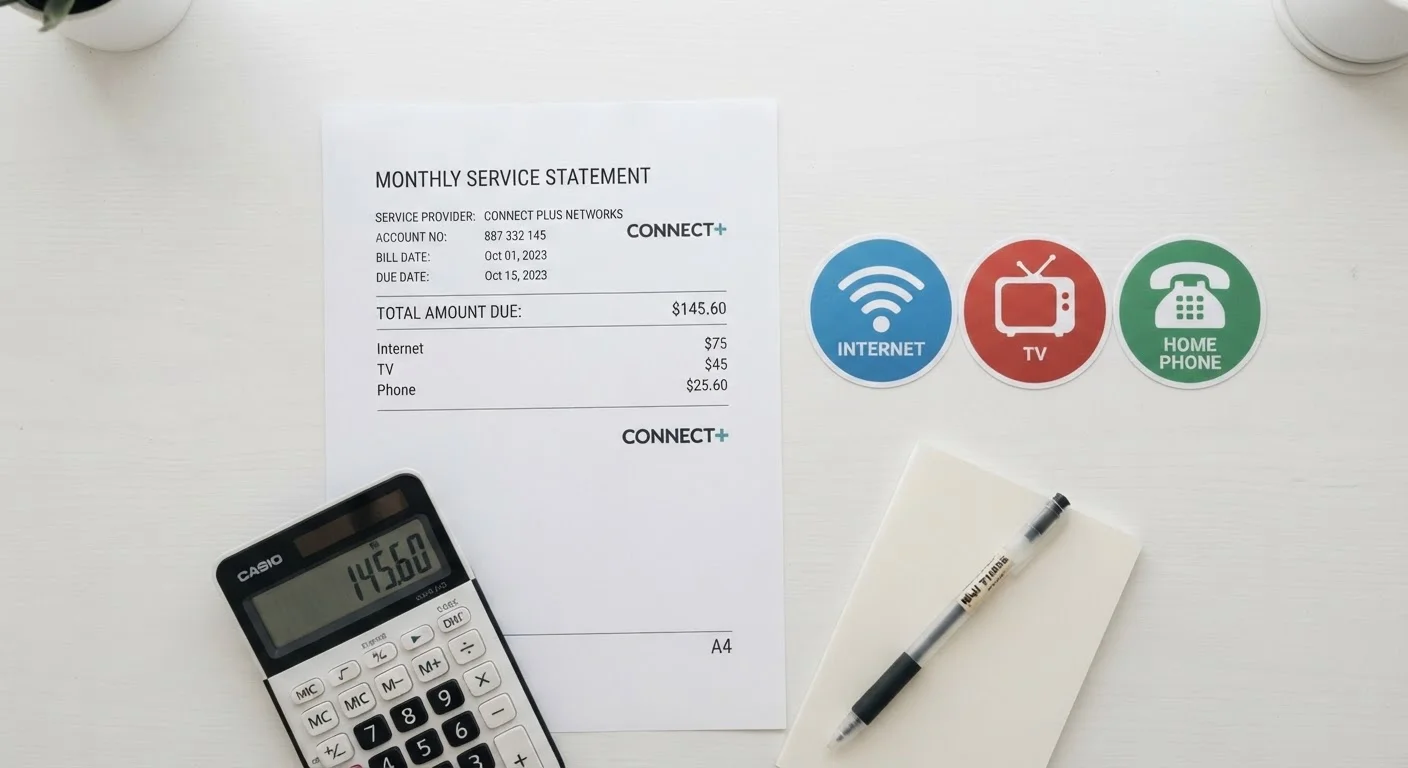
Photo credit: InsightsGrove.com | Discover Joy In Reading
In this article
Bundled internet, TV, and phone deals can simplify billing — or lock you into overpaying. A balanced look at when bundling helps and when it doesn't.
Key Takeaways
- Bundled plans can lower your total monthly bill, but only if you actually use every service included.
- Long-term contracts often tied to bundles can lock you into paying more after promotional rates expire.
- Unbundling and mixing providers may deliver better value, especially for streaming-heavy households.
- Always compare the full post-promotional price, not the introductory rate, before committing to a bundle.
Single bill simplifies household expense tracking
Consolidating internet, TV, and phone into one statement reduces the chance of missing a payment and makes it easier to review monthly spending at a glance.
Genuine discount over same-provider standalone pricing
Most providers offer a meaningful reduction — often $10–$30 per month — when services are purchased together rather than individually from the same company.
Easier customer service and account management
Dealing with a single provider for multiple services reduces the number of contacts, logins, and support queues you navigate when something goes wrong.
Promotional rates can deliver short-term savings
Introductory bundle pricing can run significantly below market rate for the first 12 months, which is useful if you plan to renegotiate or switch providers at renewal.
Promotional rates expire — often sharply
Introductory pricing frequently jumps by $30–$60 per month after the first year, and many customers don't notice the increase until it's been applied for several billing cycles.
Bundles include services you may not need
Cable TV add-ons are the most common culprit — households already using streaming services end up double-paying for entertainment they're not watching.
Long-term contracts limit flexibility
Switching providers, moving, or downsizing can trigger early termination fees ranging from $100 to over $300, erasing any savings the bundle delivered.
Comparison shopping becomes harder
Bundled pricing obscures the per-service cost, making it difficult to tell whether each component is competitively priced relative to standalone alternatives in your market.
Price increases can apply mid-contract
Many bundle agreements allow providers to raise the non-promotional portion of the rate with limited notice, which can push total costs above what you initially agreed to.
What Bundling Actually Means for Your Monthly Bill
A service bundle packages two or more offerings — typically internet, cable or satellite TV, and a home phone or wireless plan — from one provider at a combined rate. Providers pitch these as a convenience play and a savings play at the same time. The reality is more nuanced.
The savings are real in some cases. Providers do discount bundled services relative to purchasing each one separately through the same company. The problem is that the comparison is usually drawn against their own retail prices, not against the full range of alternatives available in your market. If a cheaper standalone internet provider serves your address, a bundle may cost you more in absolute terms, even with the discount applied.
Understanding that framing is the starting point. For a broader look at where recurring charges tend to balloon quietly, see where young adults most commonly overpay on monthly bills.
Single bill simplifies household expense tracking
Consolidating internet, TV, and phone into one statement reduces the chance of missing a payment and makes it easier to review monthly spending at a glance.
Genuine discount over same-provider standalone pricing
Most providers offer a meaningful reduction — often $10–$30 per month — when services are purchased together rather than individually from the same company.
Easier customer service and account management
Dealing with a single provider for multiple services reduces the number of contacts, logins, and support queues you navigate when something goes wrong.
Promotional rates can deliver short-term savings
Introductory bundle pricing can run significantly below market rate for the first 12 months, which is useful if you plan to renegotiate or switch providers at renewal.
The Real Downsides Worth Weighing
The case against bundling is largely a case against paying for things you don't use. Cable TV packages added to an internet bundle often include dozens of channels that go unwatched. If you're already paying for two or three streaming services, a TV add-on in a bundle may represent pure waste.
Contract terms compound the problem. Many bundles require a one- or two-year commitment with early termination fees. Promotional rates — sometimes discounted by $30–$50 per month — expire after 12 months, and the renewal rate is rarely competitive without a call to retention departments.
For households where streaming already covers entertainment needs, the fine print on streaming plans is worth reading before layering on a cable bundle. Similarly, if wireless service is part of a bundle, your actual usage data matters — phone plan economics can help you benchmark whether the bundled rate genuinely beats the market.
Promotional rates expire — often sharply
Introductory pricing frequently jumps by $30–$60 per month after the first year, and many customers don't notice the increase until it's been applied for several billing cycles.
Bundles include services you may not need
Cable TV add-ons are the most common culprit — households already using streaming services end up double-paying for entertainment they're not watching.
Long-term contracts limit flexibility
Switching providers, moving, or downsizing can trigger early termination fees ranging from $100 to over $300, erasing any savings the bundle delivered.
Comparison shopping becomes harder
Bundled pricing obscures the per-service cost, making it difficult to tell whether each component is competitively priced relative to standalone alternatives in your market.
Price increases can apply mid-contract
Many bundle agreements allow providers to raise the non-promotional portion of the rate with limited notice, which can push total costs above what you initially agreed to.
How to Run the Numbers Before You Decide
The most useful exercise is a side-by-side comparison using post-promotional pricing, not the advertised rate. Most providers publish standard rates, and customer service representatives are required to disclose them if asked directly.
~$1,200
Estimated annual cost of a mid-tier cable TV bundle
Industry pricing data consistently places combined TV and internet bundles between $90 and $140 per month after promotional periods end, depending on region and provider tier.
12 months
Typical promotional pricing window
Most bundle contracts offer discounted introductory rates for 12 months before reverting to standard pricing, which can be 30–50% higher.
- List every service in the bundle and what you realistically use each month.
- Price out each service independently from alternative providers in your area — including mobile-only options or streaming substitutes for TV.
- Calculate the full-term cost of the bundle including what the rate becomes after any promotional period ends.
- Factor in contract exit costs if your living situation or needs might change within the contract window.
If the bundle wins on total cost over 24 months and covers services you'd pay for anyway, it's a defensible choice. If it wins only during the promotional window — or if it bundles services you wouldn't otherwise buy — unbundling is likely the smarter move.
It's also worth knowing that bundled rates are often negotiable. Negotiating recurring bills is more effective than most people expect, especially at the end of a contract term.
Home Phone Lines in Bundles: Often the Weakest Link
Many bundles still include a landline home phone as a third service. For most young adults, this is the component least likely to justify its share of the cost. If a bundle requires a home phone to unlock pricing, calculate what the internet-only rate would be from alternatives in your area before treating the three-way bundle as the baseline comparison. The phone line is frequently the padding that tips the math against bundling.

Author
Smart Spending Editorial Team
Smart Spending Editorial Team is the collective byline for our editorial team and contributor network. Articles published under this byline or an editorial pen name are researched, written, and reviewed according to our editorial standards for clarity, consistency, and independence before publication.
View all articles →