
Fixed Costs vs. Variable Costs: What Your Budget Is Actually Made Of
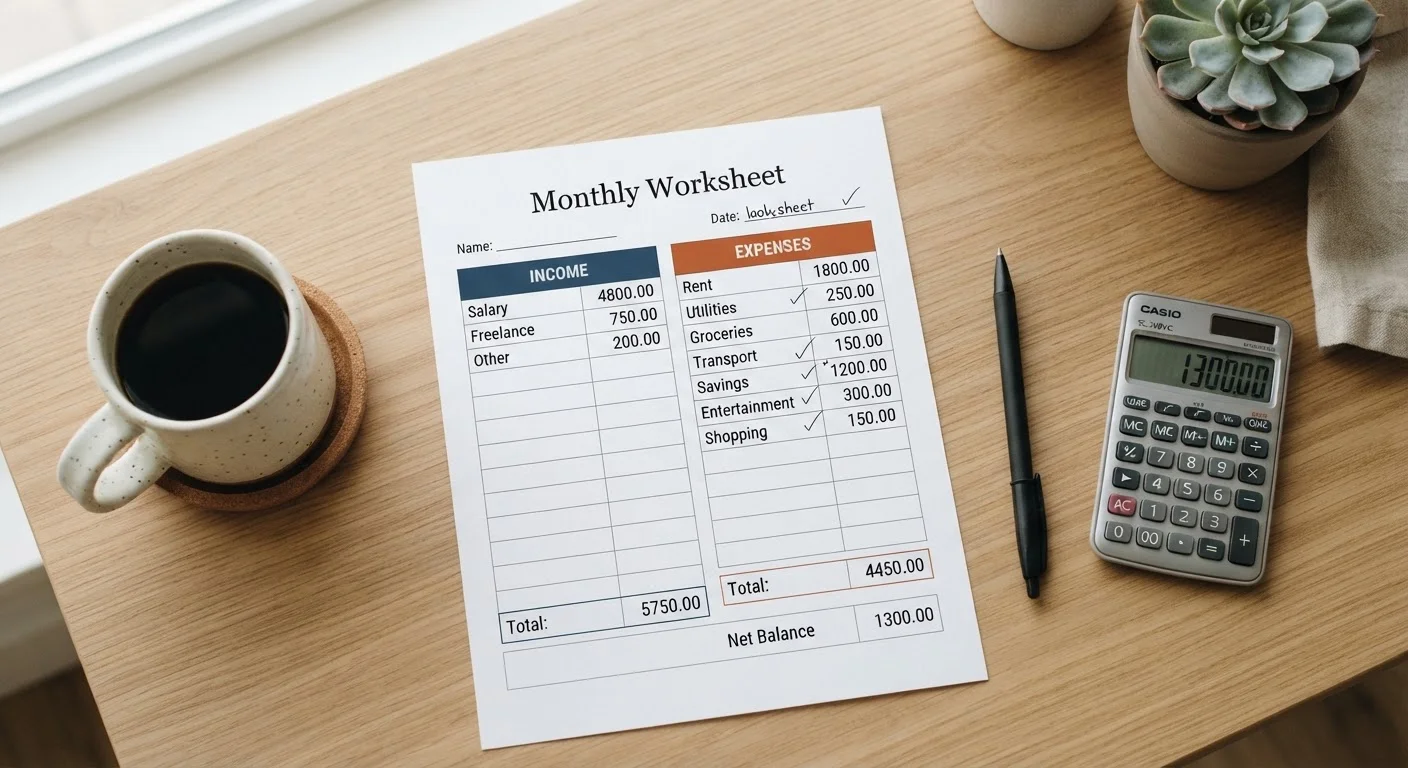
Photo credit: InsightsGrove.com | Discover Joy In Reading
In this article
Understand the difference between fixed and variable expenses and why that distinction is the starting point for any meaningful budget.
Key Takeaways
- Fixed costs repeat automatically each month and are harder to reduce without a deliberate decision or contract change.
- Variable costs shift with your habits, making them the most immediate levers for short-term budget relief.
- Most people underestimate how many fixed costs they carry, which limits their perceived financial flexibility.
- Identifying your fixed costs first gives you an accurate picture of your true financial floor each month.
- Unnecessary fixed costs - forgotten subscriptions, unused memberships - drain money without delivering ongoing value.
Why the Fixed vs. Variable Distinction Actually Matters
Most budgeting advice jumps straight to spending categories - food, transport, entertainment - without first drawing a more fundamental line: does this cost change based on what I do, or does it hit my account the same amount no matter what?
That question separates fixed costs from variable costs, and the answer shapes how much real control you have over your money each month. Fixed costs are committed before the month even starts. Variable costs are negotiated in real time through your daily choices. Understanding which category each expense falls into tells you exactly where your leverage is - and where it isn't.
For a practical deep-dive into managing all recurring expenses across categories, see the complete starting guide to cutting fixed costs.
~$219/mo
Average American's subscription spending
A 2022 survey by C+R Research found the average American spends around $219 per month on subscription services, often underestimating their total by a significant margin.
50%
Recommended ceiling for fixed needs in a budget
The widely referenced 50/30/20 budgeting framework suggests that fixed needs - housing, insurance, loan payments - should consume no more than half of take-home pay.
2-3x
How much people underestimate their subscriptions
Research from West Monroe Partners found consumers routinely underestimate their monthly subscription spending by a factor of two to three times the actual amount.
Fixed Costs: The Expenses You've Already Committed To
A fixed cost is any recurring expense with a predetermined, consistent amount - one you've essentially locked in through a contract, loan, or ongoing enrollment. Common examples include:
- Rent or mortgage payments
- Auto loan or personal loan installments
- Health, renters, or auto insurance premiums
- Subscription services (streaming, software, gym memberships)
- Student loan payments
The defining characteristic isn't that you can never change them - it's that changing them requires an active decision, often with friction: breaking a lease, refinancing a loan, or canceling a contract. That inertia is precisely why fixed costs tend to grow quietly over time. Each one seemed reasonable when you signed up, but the total can become suffocating.
Some fixed cost decisions are especially hard to walk back. Certain commitments - leases, financed purchases, long-term contracts - deserve extra scrutiny before you sign.
Semi-Variable Costs Are Worth Knowing About
Some expenses don't fit neatly into either category. Utility bills, for example, include a fixed base service charge plus variable usage costs that change with your consumption. Cell phone plans with overage fees work similarly. When budgeting, it's practical to estimate a reasonable average for these and treat the base charge as fixed.
Variable Costs: Where Your Habits Live
Variable costs fluctuate month to month based on your behavior. Spend more, pay more. Pull back, spend less. Examples include:
- Groceries and household supplies
- Dining out and takeout
- Gas and rideshare
- Clothing and personal care
- Entertainment and one-off purchases
Variable costs feel like the obvious target when money gets tight - and they are a real lever. But their impact is limited to that month. Skipping one restaurant meal saves you $20 once. Canceling an unused $20-per-month subscription saves you $240 per year, automatically, without ongoing discipline.
That asymmetry is why experienced budgeters often focus on fixed costs first when they want lasting change, even though variable costs are easier to adjust in the short term.
Start With Fixed Costs for Lasting Impact
When auditing your budget, list your fixed costs before anything else. Knowing your true financial floor - the minimum your account must cover each month - prevents you from budgeting on false assumptions. Even eliminating one recurring charge of $15-$30 per month adds up to $180-$360 in annual savings without requiring ongoing willpower.
How to Put This to Work in Your Own Budget
The first practical step is a clean inventory. Pull up your last two to three months of bank and credit card statements and sort every expense into one of two columns: fixed or variable. Pay special attention to charges that recur on a schedule - monthly, quarterly, or annually.
Annual charges are the sneakiest. A $99-per-year subscription barely registers when it hits, but it represents a real fixed cost averaged at $8.25 per month. Multiply that across several annual renewals and you may find $50 or more per month committed to services you've stopped thinking about.
Once you have your fixed costs listed, you can calculate your financial floor - the minimum your account needs each month before any discretionary spending. That number tells you how much income risk you're actually carrying. For a structured way to work through every recurring category, the monthly fixed cost audit checklist is a useful next step.
For plain-language definitions of terms like committed expense, sunk cost, and variable overhead, the fixed cost definitions glossary covers them clearly. And if you're building broader daily habits around spending, the everyday budgeting hub has practical frameworks to explore.
“The goal of a budget isn't to restrict your life - it's to make sure your fixed obligations don't quietly crowd out the choices that matter to you.”
— Smart Spending Editorial Team, Personal finance editorial team focused on practical budgeting for young adults
Frequently Asked Questions

Author
Smart Spending Editorial Team
Smart Spending Editorial Team is the collective byline for our editorial team and contributor network. Articles published under this byline or an editorial pen name are researched, written, and reviewed according to our editorial standards for clarity, consistency, and independence before publication.
View all articles →