
Pet Dental Care Myths That Could Be Hurting Your Animal
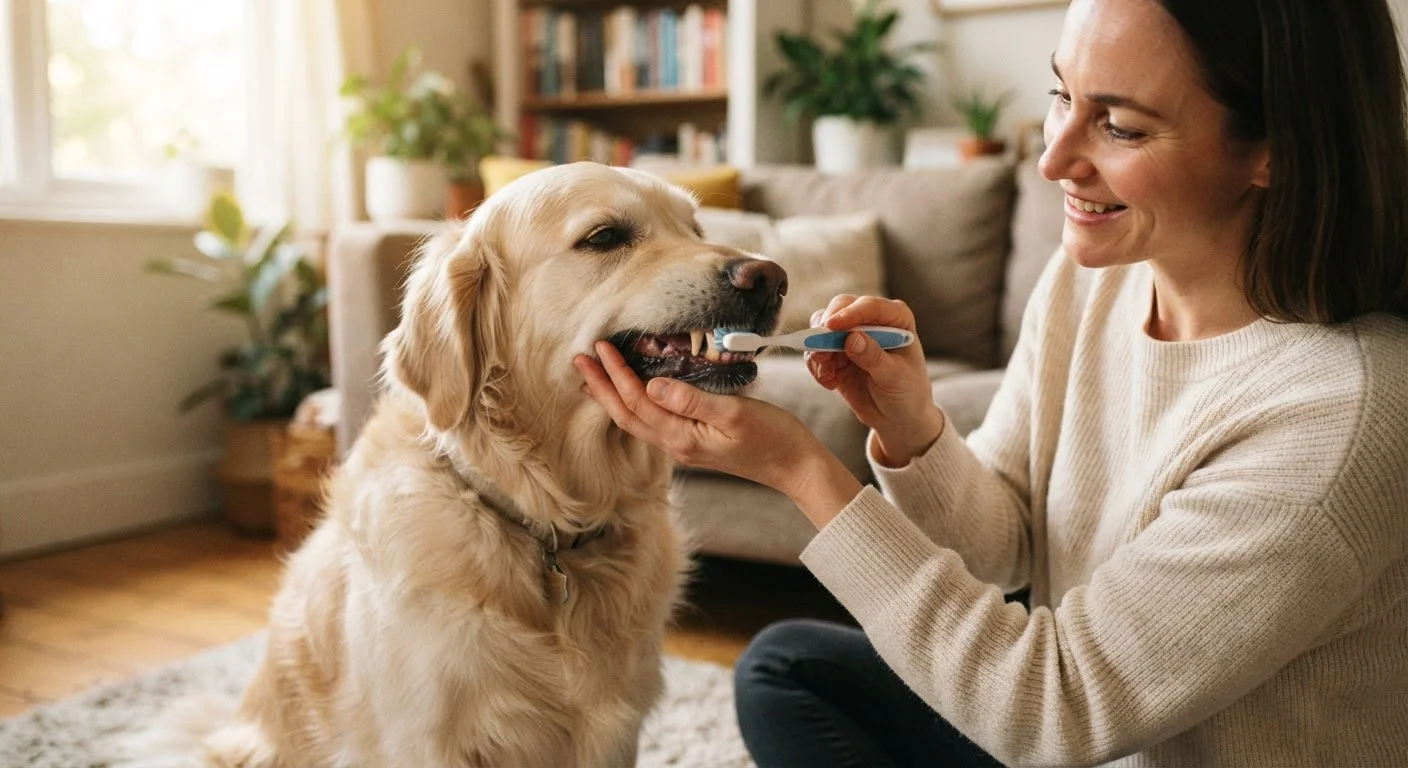
Photo credit: InsightsGrove.com | Discover Joy In Reading
Think dry kibble cleans teeth or that bad breath is normal? Here's what the evidence actually says about pet oral health.
Key Takeaways
- Dry kibble does not meaningfully clean your pet's teeth - brushing remains the gold standard.
- Bad breath in pets is a warning sign of dental disease, not a normal condition to accept.
- Dental disease affects the majority of adult dogs and cats and can impact overall health.
- Regular at-home care between vet visits significantly slows the progression of gum disease.
- Cats need dental care just as much as dogs - their oral health is equally at risk.
Why Pet Dental Myths Carry Real Consequences
Dental disease is one of the most frequently diagnosed conditions in adult dogs and cats. Yet many owners - often through no fault of their own - operate on assumptions that delay or skip the care their pets need. These myths aren't harmless: untreated oral disease can lead to chronic pain, tooth loss, and, in some cases, systemic complications affecting internal organs.
The good news is that once you separate fact from fiction, protecting your pet's mouth is manageable and doesn't require expensive interventions every month. See our daily pet care routine guide for a broader look at simple habits that reduce long-term vet bills.
Myth
Dry kibble scrubs my pet's teeth clean, so I don't need to brush.
Fact
Kibble provides minimal mechanical cleaning and does not prevent tartar buildup or gum disease.
The idea that crunching dry food acts like a toothbrush has been around for decades, but the evidence doesn't support it. Most kibble shatters on contact rather than abrading the tooth surface in a way that removes plaque. The American Veterinary Dental College has noted that dry food alone is not an adequate substitute for active dental care. For a fuller comparison of what dry and wet food actually do - including their dental impact - see dry kibble vs. wet food.
Myth
Bad breath is just normal for dogs and cats - it's part of owning a pet.
Fact
Persistent bad breath (halitosis) in pets almost always signals bacterial overgrowth, gum disease, or another medical issue.
While a pet's breath will never smell minty fresh, a strong or foul odor is a clinical signal, not an acceptable baseline. The bacteria responsible for periodontal disease produce sulfur compounds that cause the characteristic smell. If your pet's breath has worsened noticeably or is consistently offensive, a veterinary dental exam is warranted. Masking it with treats or flavored chews doesn't address the underlying cause. Pets often hide discomfort, so bad breath may be the only visible sign of a painful condition - learn more in our guide on signs your pet is in pain.
Myth
Cats don't really need dental care - that's mainly a dog issue.
Fact
Cats are highly susceptible to periodontal disease and a painful condition called tooth resorption, which affects a large proportion of adult cats.
Feline dental disease is frequently underdiagnosed because cats are particularly skilled at masking pain, and many owners simply don't examine their cat's mouth. Tooth resorption - where the tooth structure is progressively destroyed - is estimated to affect a significant portion of adult cats and causes considerable pain. Cats benefit from the same home-care principles as dogs: regular brushing with pet-safe products and periodic professional cleanings. The absence of obvious symptoms does not mean a cat's mouth is healthy.
Myth
Once a pet has tartar, home care can't make a difference - only a vet cleaning helps.
Fact
Home care cannot remove existing tartar, but it significantly slows new tartar formation and reduces inflammation in the surrounding gum tissue.
This myth often leads owners to give up on brushing entirely after seeing visible buildup on their pet's teeth. In reality, consistent brushing removes soft plaque before it mineralizes into tartar - a process that can begin within 24 to 48 hours of plaque formation in dogs and cats. Even in animals with existing tartar, maintaining gum health around the affected teeth matters. Reducing gum inflammation through regular home care may slow disease progression and help your veterinarian assess which teeth need professional attention. Home care and professional care are complementary, not alternatives.
Myth
Anesthesia-free dental cleanings are a safe, equivalent alternative to professional cleanings.
Fact
Anesthesia-free cleanings remove visible surface deposits only and cannot address disease below the gumline, where most damage occurs.
Anesthesia-free dental procedures have been marketed as a lower-risk, lower-cost option, but major veterinary dental organizations - including the American Veterinary Dental College - have issued position statements against them for routine dental care. Without anesthesia, a thorough examination, dental X-rays, and subgingival (below-gumline) cleaning are not possible. The result can look cosmetically cleaner while leaving active disease untreated. Additionally, awake scaling can cause stress and carries a small but real risk of injury to the pet. Always discuss professional cleaning options with a licensed veterinarian.
Building a Realistic Home Dental Routine
Once the myths are cleared away, a practical routine becomes much easier to design. Veterinary dental guidelines from organizations such as the American Veterinary Dental College consistently recommend daily toothbrushing as the most effective home-care method. Use only toothpaste formulated for pets - human toothpaste contains fluoride and xylitol, both of which are toxic to animals.
Never Use Human Toothpaste on Pets
Human toothpastes commonly contain fluoride and xylitol, both of which are toxic to dogs and cats and can cause serious harm even in small amounts. Always choose a toothpaste specifically formulated and labeled as safe for pets. If you're unsure which product to use, ask your veterinarian for a recommendation suited to your pet's species and size.
If your pet resists brushing, gradual desensitization works for most animals. Start by letting them taste the pet-safe toothpaste, then slowly introduce the brush over several days or weeks. Dental wipes, water additives, and certain chews may provide supplemental benefit, but the evidence supporting them is generally weaker than for brushing.
Professional cleanings under anesthesia remain the only way to fully remove tartar below the gumline. Home care does not replace these - it extends the time between them, which is where real cost savings occur. For a deeper look at how dental disease develops and what's clinically at stake, see what dental disease means for your pet.
80%
Adult dogs with dental disease by age 3
The American Veterinary Medical Association reports that the majority of dogs show signs of periodontal disease by their third birthday.
70%
Adult cats affected by dental disease
Veterinary estimates suggest roughly 70% of cats over age three have some form of periodontal disease, making it one of the most common feline health conditions.
This article is for general informational purposes only and does not constitute veterinary medical advice. Always consult a licensed veterinarian for guidance specific to your pet's health needs.

Author
Pets & Care Editorial Team
Pets & Care Editorial Team is the collective byline for our editorial team and contributor network. Articles published under this byline or an editorial pen name are researched, written, and reviewed according to our editorial standards for clarity, consistency, and independence before publication.
View all articles →