
The Upside and the Limits of Using Apps for Mental Wellness
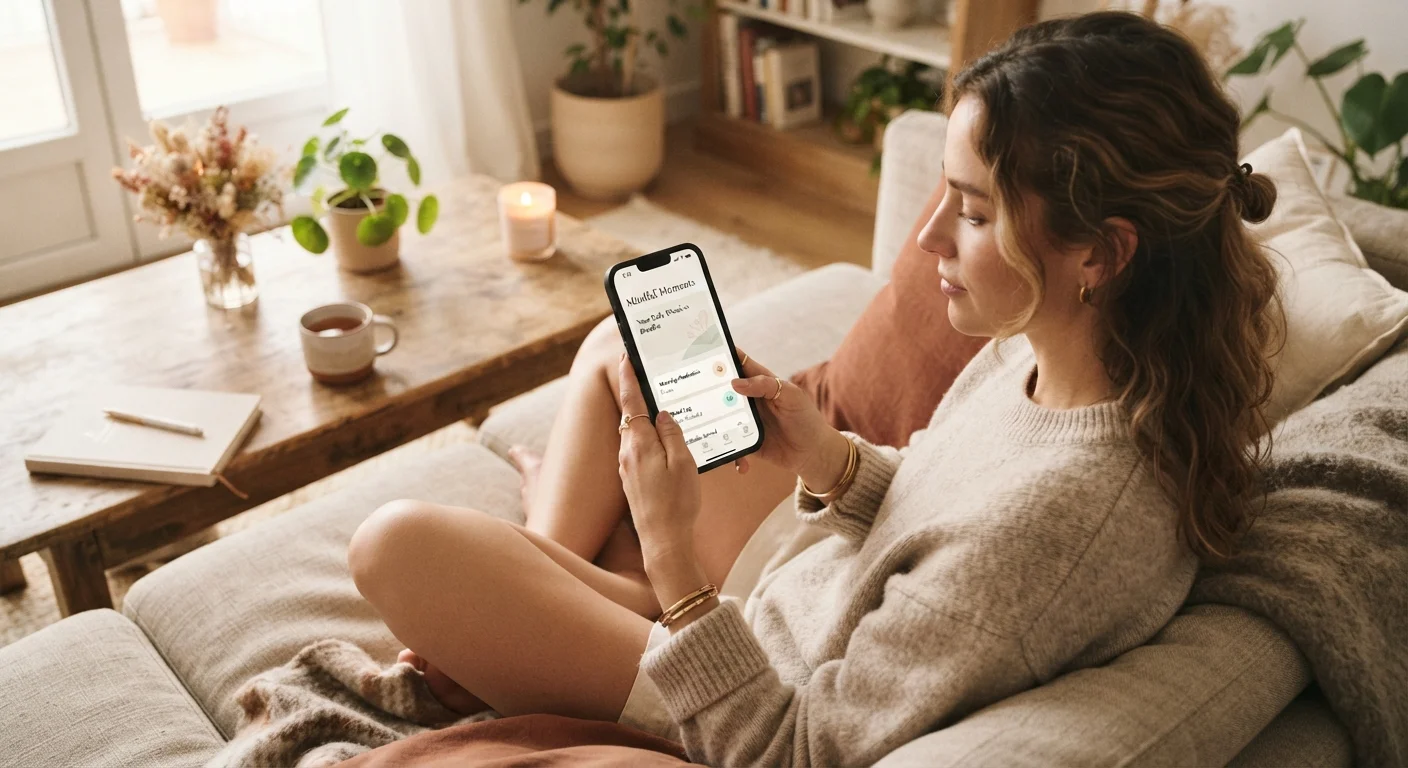
Photo credit: InsightsGrove.com | Discover Joy In Reading
In this article
Wellness apps can make helpful practices more accessible — but they're not a substitute for professional care. A balanced look at what they can and can't do.
Key Takeaways
- Mental wellness apps can make evidence-informed practices like mindfulness more accessible and affordable.
- Research support for specific apps varies widely - not all tools are created equal.
- Apps are not a substitute for professional mental health care when symptoms are significant.
- Privacy policies vary; review how your data is collected and used before signing up.
- Used thoughtfully, apps can complement - not replace - other forms of support.
Low or no cost compared to professional services
Many wellness apps offer substantial free tiers, making evidence-informed practices like guided meditation accessible to people who cannot afford regular therapy. This lowers the barrier to starting any kind of structured wellbeing practice.
Available any time, anywhere
Unlike scheduled appointments, apps can be used during a stressful commute, late at night, or immediately after a difficult moment. This immediacy can be genuinely useful for practicing techniques like grounding or controlled breathing in real time.
Supports consistent habit formation
Features like streaks, reminders, and short session formats are designed to build regular practice. Behavioral science consistently shows that lower-effort, cue-based habits are more likely to stick over time.
Teaches evidence-informed techniques
Many apps draw on mindfulness-based stress reduction (MBSR) and cognitive behavioral therapy (CBT) frameworks, translating clinically studied approaches into accessible daily exercises.
Reduces stigma barriers to starting
For individuals who feel hesitant about seeking formal mental health support, a private, self-directed app can be a lower-stakes entry point into engaging with their psychological wellbeing.
Evidence quality for specific apps is inconsistent
Most commercially available wellness apps have limited independent research directly validating their effectiveness. General evidence for the underlying techniques (like mindfulness) doesn't automatically transfer to a specific app's implementation.
Cannot address clinical-level mental health conditions
Apps are not equipped to assess, diagnose, or treat conditions such as major depression, anxiety disorders, or trauma. Using them as a substitute for professional care in these situations can delay necessary treatment.
Data privacy risks are real and variable
Many free wellness apps monetize through data. Behavioral health data - including mood logs, journal entries, and usage patterns - can be commercially sensitive, and privacy practices differ significantly across platforms.
Risk of passive engagement replacing active support
App use can create a feeling of taking action without producing meaningful change, particularly if sessions are completed habitually without genuine engagement or reflection.
No personalization or clinical judgment
Even sophisticated apps cannot adapt to individual clinical history, life context, or the kinds of nuance a trained therapist responds to. The guidance is inherently generalized.
What Mental Wellness Apps Actually Offer
Mental wellness apps are software tools designed to support psychological wellbeing through practices such as guided meditation, breathing exercises, mood journaling, cognitive reframing prompts, and sleep support. They're distinct from clinical platforms - they're not designed to diagnose or treat mental health conditions, and most are not regulated as medical devices.
Understanding what these apps are built for matters before evaluating them. As explored in our article on what mental wellness actually means, wellness sits on a different part of the spectrum than clinical mental health - and the tools appropriate for each differ accordingly. Apps generally target the wellness end: everyday stress, low-level anxiety, building resilience, or developing mindfulness habits.
Many incorporate techniques drawn from established therapeutic approaches, particularly mindfulness-based stress reduction (MBSR) and elements of cognitive behavioral therapy (CBT). Whether a specific app delivers those techniques effectively, however, varies considerably.
Low or no cost compared to professional services
Many wellness apps offer substantial free tiers, making evidence-informed practices like guided meditation accessible to people who cannot afford regular therapy. This lowers the barrier to starting any kind of structured wellbeing practice.
Available any time, anywhere
Unlike scheduled appointments, apps can be used during a stressful commute, late at night, or immediately after a difficult moment. This immediacy can be genuinely useful for practicing techniques like grounding or controlled breathing in real time.
Supports consistent habit formation
Features like streaks, reminders, and short session formats are designed to build regular practice. Behavioral science consistently shows that lower-effort, cue-based habits are more likely to stick over time.
Teaches evidence-informed techniques
Many apps draw on mindfulness-based stress reduction (MBSR) and cognitive behavioral therapy (CBT) frameworks, translating clinically studied approaches into accessible daily exercises.
Reduces stigma barriers to starting
For individuals who feel hesitant about seeking formal mental health support, a private, self-directed app can be a lower-stakes entry point into engaging with their psychological wellbeing.
The Real Advantages: Accessibility, Habit Support, and Low Cost
For budget-conscious young adults, the accessibility argument is hard to dismiss. A ten-minute guided breathing session available at midnight costs nothing beyond a free app download - a meaningful contrast to therapy session rates, which can run $100-$300 per hour without insurance coverage.
Beyond cost, apps reduce friction. The research literature on habit formation consistently shows that lowering the barrier to entry - in time, effort, or cost - increases the likelihood of consistent practice. An app that sends a gentle daily reminder to complete a five-minute body scan exercise can help a habit take root in a way that a vague intention to "meditate more" typically doesn't.
Some apps also provide structured psychoeducation: explaining concepts like cognitive distortions, nervous system regulation, or the role of sleep in emotional regulation. Our plain-language mental wellness glossary covers many of these concepts, and apps that translate them into daily exercises can reinforce that understanding in practice.
10,000+
Mental health apps available in major app stores
A 2021 analysis estimated over 10,000 mental health-related apps were available across major platforms, with wide variation in quality and evidence base.
~20%
US adults who report unmet mental health care needs
CDC data has consistently shown that a significant proportion of US adults who need mental health care do not receive it, often citing cost and access as barriers.
The Significant Limits You Should Know
The evidence base for wellness apps, while growing, is uneven. A 2019 review published in World Psychiatry found that while digital interventions showed promise for mild-to-moderate symptoms, study quality varied widely and most apps available to the public had little or no independent research supporting their specific claims. Marketing language often outpaces clinical evidence.
There's also a substantive difference between app-guided skill practice and professional therapeutic support. Talking therapy and self-help tools serve genuinely different purposes - a licensed therapist can assess, adapt, and respond to nuance in ways no algorithm currently can. For anyone experiencing persistent low mood, significant anxiety, or distress that impairs daily functioning, an app is not an appropriate primary intervention.
Data privacy deserves serious attention too. Many free wellness apps are funded by advertising or data partnerships. Before using any app, it's worth reviewing its privacy policy to understand what behavioral and health-related data is collected, shared, or sold.
Evidence quality for specific apps is inconsistent
Most commercially available wellness apps have limited independent research directly validating their effectiveness. General evidence for the underlying techniques (like mindfulness) doesn't automatically transfer to a specific app's implementation.
Cannot address clinical-level mental health conditions
Apps are not equipped to assess, diagnose, or treat conditions such as major depression, anxiety disorders, or trauma. Using them as a substitute for professional care in these situations can delay necessary treatment.
Data privacy risks are real and variable
Many free wellness apps monetize through data. Behavioral health data - including mood logs, journal entries, and usage patterns - can be commercially sensitive, and privacy practices differ significantly across platforms.
Risk of passive engagement replacing active support
App use can create a feeling of taking action without producing meaningful change, particularly if sessions are completed habitually without genuine engagement or reflection.
No personalization or clinical judgment
Even sophisticated apps cannot adapt to individual clinical history, life context, or the kinds of nuance a trained therapist responds to. The guidance is inherently generalized.
How to Use Apps as Part of a Broader Approach
The most grounded way to think about wellness apps is as one layer in a broader support structure - not a standalone solution. They're well-suited to reinforcing practices you're already learning, maintaining consistency between therapy sessions, or experimenting with techniques like mindfulness before deciding to go deeper.
If you're new to mindfulness specifically, our comparison of mindfulness and meditation can help you understand what you're practicing and why. Apps that teach these skills can be a practical entry point.
It's also worth being honest about your reasons for using an app. If it's helping you build real habits and feels genuinely supportive, that's a legitimate use. If it's becoming a way to avoid seeking more appropriate help, or if you notice your wellbeing declining despite consistent use, those are signals worth taking seriously. Our overview of mental wellness for young adults outlines a broader framework for thinking about wellbeing that goes well beyond any single tool.
When to Move Beyond an App
If you're experiencing persistent sadness, significant anxiety, difficulty functioning at work or in relationships, or any thoughts of self-harm, an app is not the right primary tool. These are signals to reach out to a qualified mental health professional. In the US, the 988 Suicide and Crisis Lifeline is available by call or text for anyone in crisis.
This article is for general informational and educational purposes only. It is not a substitute for professional mental health advice, diagnosis, or treatment. If you are experiencing significant distress or mental health symptoms, please consult a qualified healthcare professional.

Author
Health & Wellness Editorial Team
Health & Wellness Editorial Team is the collective byline for our editorial team and contributor network. Articles published under this byline or an editorial pen name are researched, written, and reviewed according to our editorial standards for clarity, consistency, and independence before publication.
View all articles →