
The Science Behind Why Stress Feels So Physical
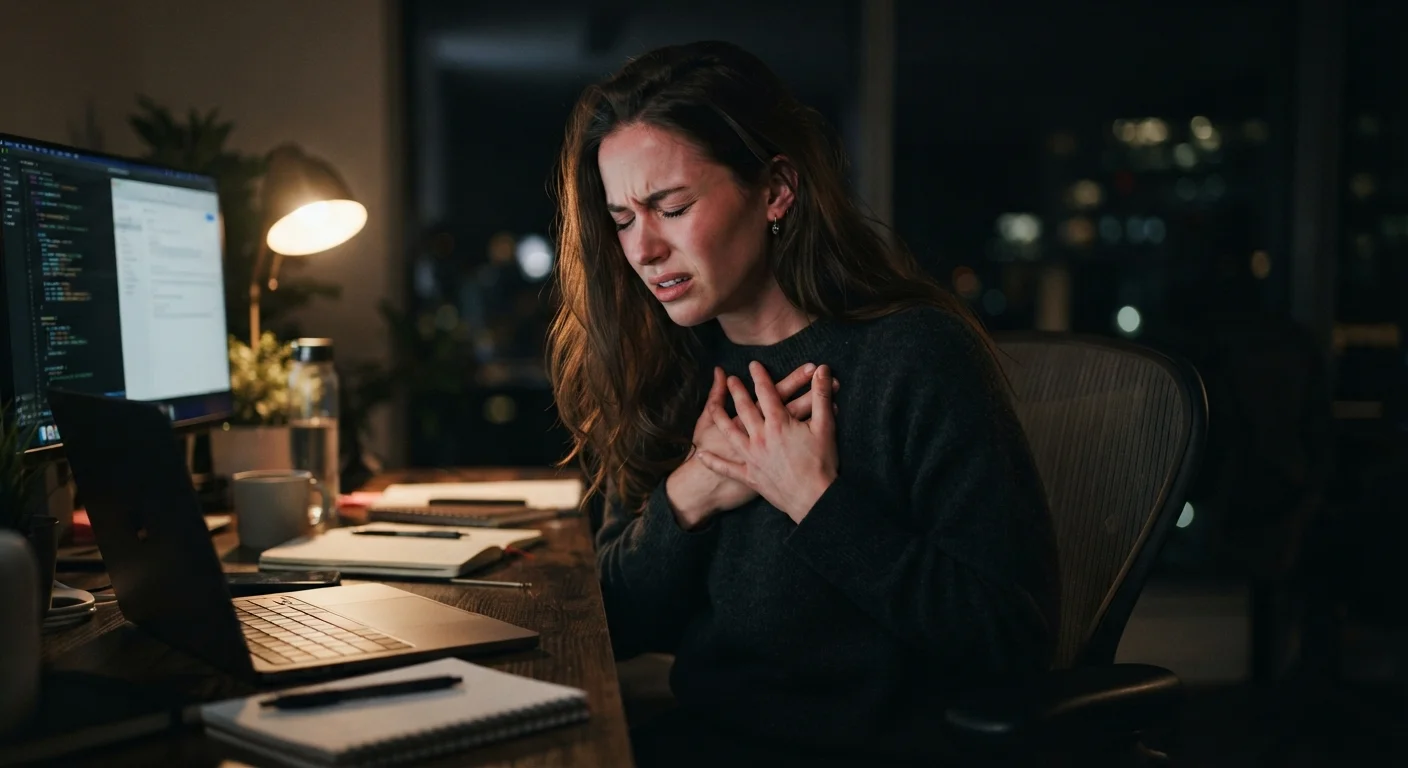
Photo credit: InsightsGrove.com | Discover Joy In Reading
In this article
Tight chest, racing heart, upset stomach — stress has real bodily effects. Here's what's happening in your body when your mind is under pressure.
Key Takeaways
- Physical stress symptoms - racing heart, tight chest, nausea - are driven by real hormonal and nervous system changes.
- The body cannot easily distinguish between physical danger and psychological pressure.
- Chronic stress keeps the stress response activated, leading to wear on cardiovascular, digestive, and immune systems.
- Low-cost, evidence-informed practices like slow breathing can measurably calm the physiological stress response.
- Understanding the biology of stress helps reduce shame and supports more effective coping.
Your Body Doesn't Know It's Just a Work Email
When a deadline looms or an unexpected bill arrives, your body reacts as though you're facing a physical threat. That's not a metaphor - it's biology. The brain's threat-detection center, the amygdala, sends an alarm signal that activates your sympathetic nervous system before your conscious mind has fully processed what's happening.
The result is a rapid hormonal surge. Adrenaline (epinephrine) floods the bloodstream within seconds, causing your heart to beat faster and your airways to widen. Cortisol follows, sustaining that heightened state. These chemicals are functional: in a genuine emergency, they sharpen focus and mobilize energy. But your nervous system applies the same response whether you're fleeing danger or reading a stressful text message.
“Stress is not merely a psychological phenomenon - it is a biological state involving every system in the body, from the immune response to cardiovascular function.”
— Robert Sapolsky, Professor of Biology and Neurology, Stanford University; author of 'Why Zebras Don't Get Ulcers'
What's Actually Happening Inside Your Body
The physical sensations of stress map directly onto specific physiological processes:
- Racing heart: Adrenaline increases heart rate and blood pressure to push oxygen to muscles.
- Tight chest or shallow breathing: The respiratory system speeds up; chest muscles tense in preparation for exertion.
- Upset stomach or nausea: Digestion is considered non-essential during a threat, so blood flow is redirected away from the gut. This is why stress commonly causes digestive discomfort.
- Headaches and muscle tension: Muscles - particularly in the neck, shoulders, and jaw - contract as part of the bracing response.
- Fatigue: Sustained cortisol output is metabolically costly; the body tires from maintaining a state of high alert.
77%
Adults reporting physical stress symptoms
According to the American Psychological Association's Stress in America survey, a large majority of adults report experiencing physical symptoms they associate with stress.
3x
Increased illness risk under chronic stress
Research published in peer-reviewed psychoneuroimmunology literature suggests chronically stressed individuals show meaningfully elevated susceptibility to common infections.
None of these symptoms are imaginary. They are measurable, documented physiological events - which also means they can be addressed with approaches grounded in physiology, not just willpower.
When Stress Becomes Chronic
A single stressful event triggers a response that should resolve once the threat passes. The problem arises when stressors are continuous - financial precarity, academic pressure, relationship conflict, or chronic uncertainty - because the HPA axis stays activated for prolonged periods.
Research consistently links chronic stress with:
- Suppressed immune function, making the body less effective at fighting infections
- Disrupted sleep architecture, which compounds mood dysregulation - a cycle examined in detail in our article on sleep and mental health
- Increased inflammation markers, associated with cardiovascular risk over time
- Altered gut microbiome activity, which researchers are exploring as a factor in mood regulation
Stress and Sleep Are Closely Linked
Elevated cortisol in the evening can delay sleep onset and reduce sleep quality, which in turn makes the stress response harder to regulate the next day. This bidirectional cycle means that managing stress and protecting sleep are closely related goals. Addressing one often supports the other.
It's worth noting that not all stress is harmful. Brief, manageable stress - sometimes called eustress - can sharpen performance and motivation. The health concern is with stress that is frequent, intense, and perceived as uncontrollable.
Evidence-Informed Ways to Interrupt the Response
Because the stress response is physiological, the most effective interventions target the nervous system directly - and many of these are free or very low cost.
Slow, controlled breathing is the most accessible. Extending your exhale (for example, breathing in for four counts and out for six) activates the parasympathetic nervous system - the body's counterbalance to fight-or-flight. This measurably reduces heart rate and supports cortisol regulation.
Physical movement, even a 10-minute walk, helps metabolize circulating stress hormones. Exercise also supports mood through well-documented neurochemical pathways involving endorphins and serotonin.
Cold water on the face can trigger the dive reflex, rapidly slowing the heart rate - a simple, zero-cost reset during acute stress.
The 4-6 Breathing Reset
When you notice physical stress symptoms escalating, try breathing in for a count of four and out for a count of six. Repeat for two to three minutes. The extended exhale signals your parasympathetic nervous system to begin counteracting the fight-or-flight state. This technique is free, requires no equipment, and can be done anywhere.
It's equally important to address the interpretation of stress, not just the symptoms. Research suggests that understanding your stress response - knowing it's a normal biological mechanism, not a sign of weakness - can reduce its intensity. If you've noticed that positive-thinking scripts don't seem to help, our article on why forced optimism can backfire offers a research-based explanation.
For a structured approach to monitoring your own stress levels week to week, consider the weekly mental wellness check-in - a practical habit that takes under ten minutes.
This article is for general informational and educational purposes only and is not a substitute for professional medical advice, diagnosis, or treatment. If you are experiencing significant or persistent physical symptoms, consult a qualified healthcare provider.
Frequently Asked Questions

Author
Health & Wellness Editorial Team
Health & Wellness Editorial Team is the collective byline for our editorial team and contributor network. Articles published under this byline or an editorial pen name are researched, written, and reviewed according to our editorial standards for clarity, consistency, and independence before publication.
View all articles →